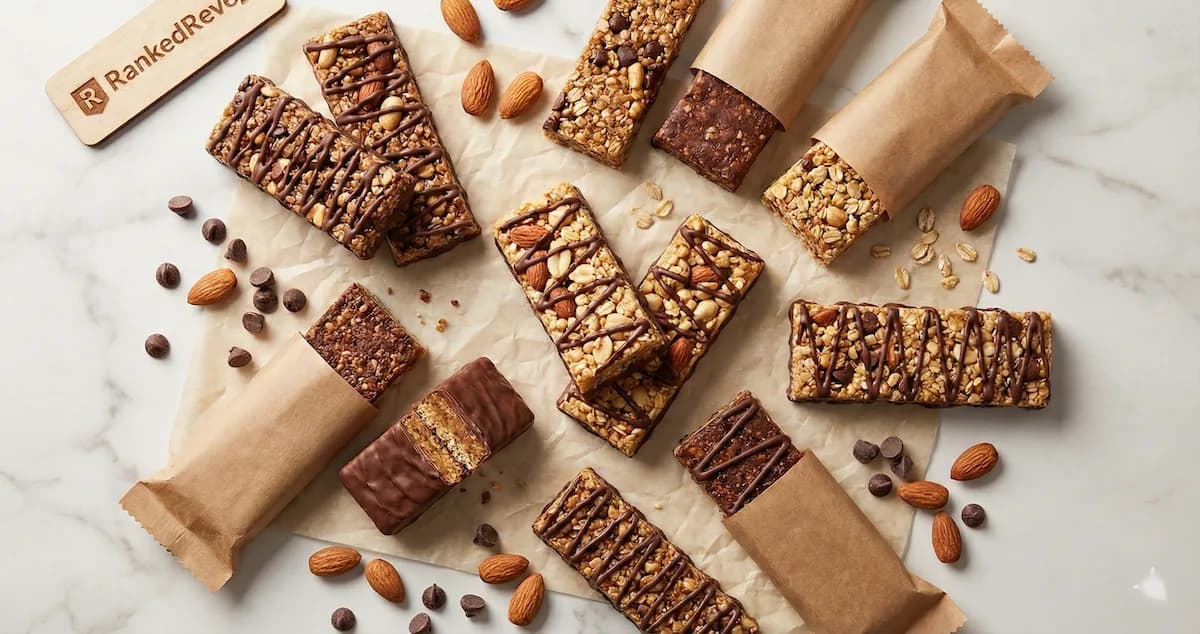
Best Protein Bars in 2026
We taste-tested and nutrition-checked the top protein bars for flavor, texture, macros, and ingredients you can actually pronounce.

The Protein Bar Aisle Is a Minefield
There are over 400 protein bars on the market right now, and most of them are candy bars wearing a lab coat. Flip one over and you will find sugar alcohols, seed oils, artificial sweeteners, soy protein isolate, and ingredient lists that read like a chemistry textbook. The branding says "clean fuel" while the nutrition panel tells a different story.
The core problem is that "high protein" has become a marketing shortcut for "healthy," and manufacturers have figured out that consumers will tolerate almost anything if the front label says 20 grams of protein. But protein source matters. Sugar content matters. What the protein is suspended in matters. A bar with 20 grams of soy protein isolate, 15 grams of sugar alcohol, and a coating made from palm oil is not the same as a bar with 14 grams of organic plant protein, 4 grams of real sugar, and ingredients you can identify by sight.
This guide cuts through the noise. I have evaluated the best protein bars based on ingredient quality, protein source and completeness, sugar and sweetener profile, fiber content, and yes, taste, because no one is going to eat a bar that tastes like compressed sawdust no matter how clean the label is. For the full ranked list, see our best protein bars category page, scored using our methodology.
What to Look For in a Protein Bar
Before I get into specific products, here are the criteria that separate a genuinely good protein bar from one that is just marketing its way into your gym bag.
Protein source and quality. Not all protein is created equal. Whey and casein are complete proteins with high bioavailability. Plant-based options like pea, brown rice, and pumpkin seed protein can be excellent when combined for a complete amino acid profile. What you want to avoid: soy protein isolate (heavily processed, often from GMO sources) and collagen protein counted as the primary source (collagen is not a complete protein and lacks leucine, the key amino acid for muscle synthesis). For a deeper dive into protein types, check our whey vs plant vs casein comparison.
Sugar and sweetener profile. This is where most bars fail. A bar with 12-15 grams of added sugar is a candy bar, full stop. But the sugar-free alternatives are not automatically better, sugar alcohols like maltitol and erythritol can cause significant gastrointestinal distress in many people. The sweet spot: bars with under 5 grams of added sugar that use moderate amounts of monk fruit, stevia, or small quantities of coconut sugar or honey as sweeteners.
Fiber content. A good protein bar should deliver 3-5 grams of fiber from whole food sources like chicory root fiber, oat fiber, or tapioca fiber. Watch out for bars that load up on soluble corn fiber or isomalto-oligosaccharides (IMOs) to inflate the fiber number, these are technically fiber but behave more like sugar in your body and can spike blood glucose.
Ingredient quality and length. Count the ingredients. The best bars on this list have 8-12 recognizable ingredients. The worst bars on the market have 30+. Look for whole food ingredients you can picture: almonds, dates, egg whites, cocoa, coconut oil. Be skeptical of bars with long lists of vitamins and minerals added back in, that usually means the base ingredients were so processed that they lost their natural nutritional value.
The taste-nutrition tradeoff. Here is an uncomfortable truth: the best-tasting protein bars are usually the least healthy, and the healthiest bars often taste like obligation. The bars on this list represent the best balance I have found, genuinely enjoyable to eat without compromising on ingredient integrity.
Allergen considerations. Protein bars are an allergen minefield. Most contain one or more of the top allergens: dairy, soy, tree nuts, peanuts, eggs, and wheat. If you have sensitivities, plant-based bars tend to be the safest bet, but always check the label for shared-facility warnings.
Our Top Picks
ALOHA Peanut Butter Chocolate Chip: Best Plant-Based
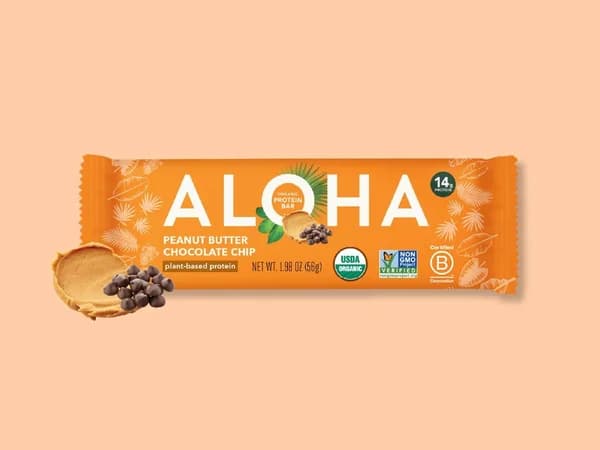
ALOHA has quietly built one of the cleanest protein bar lines on the market, and the Peanut Butter Chocolate Chip flavor is their best work. It delivers 14 grams of protein from a blend of organic brown rice and pumpkin seed protein, a combination that provides a complete amino acid profile without relying on soy or dairy. The ingredient list is short and readable: organic peanut butter, organic chocolate chips, organic brown rice protein, organic pumpkin seed protein, organic tapioca syrup, and a handful of other whole food ingredients.
What sets ALOHA apart is what they leave out. No sugar alcohols, no artificial sweeteners, no seed oils, no soy. The bar uses organic coconut oil and peanut butter as its fat sources, and the sweetness comes from organic coconut sugar and a touch of monk fruit. At 5 grams of added sugar per bar, it sits in the sweet spot, enough to taste good, not enough to spike your blood sugar.
The texture is dense and chewy with visible peanut pieces and chocolate chips, and the taste is genuinely good. It does not have the chemical aftertaste that plagues many plant-based bars. The 10 grams of fiber from organic tapioca fiber is a nice bonus, though tapioca fiber's prebiotic benefit is debated in the nutrition science community.
At $2.99 per bar, ALOHA is priced at the premium end, but you are paying for organic certification, clean ingredients, and a bar that does not make compromises to hit a higher protein number. For plant-based eaters and anyone avoiding dairy, this is the bar I recommend first. Read our full review for the complete breakdown.
Garden of Life Sport Organic Protein Bar: Best for Athletes
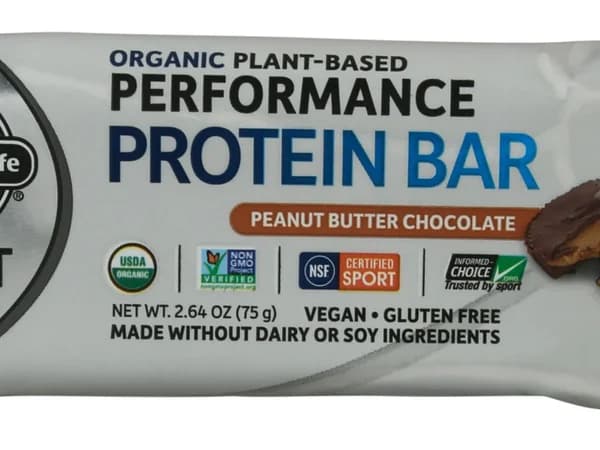
Garden of Life is a name that carries weight in the supplement world, and their Sport Organic Protein Bar reflects the same ingredient philosophy as their powder line. The bar delivers 20 grams of protein from a blend of organic pea protein, organic sprouted navy bean, organic sprouted lentil, and organic sprouted garbanzo bean, a multi-source plant protein approach that ensures a complete amino acid profile without relying on any single legume.
The Peanut Butter Chocolate flavor uses organic peanut butter and organic cocoa as its primary taste drivers, with sweetness from organic coconut palm sugar and organic stevia. At 10 grams of added sugar, it is higher than I would prefer, but the sugar comes from recognizable sources rather than corn-derived sweeteners. The bar also delivers 4 grams of fiber from whole food ingredients.
What stands out is the NSF Certified for Sport badge. This is the same certification I highlighted in my protein powder guide, it means independent labs have verified the ingredient list, tested for banned substances, and audited the manufacturing facility. For competitive athletes who face drug testing, this certification eliminates risk. It is rare to find it on a protein bar.
The texture is denser than ALOHA and slightly grainier, which is common with multi-source plant proteins. The taste is solid if not spectacular, the peanut butter flavor comes through clearly, and the chocolate coating helps mask the slight earthiness of the sprouted proteins. At $3.29 per bar, the price is premium but justified given the organic certification and NSF testing. See our full review for detailed analysis.
Primal Kitchen Dark Chocolate Almond Collagen Bar: Best Low Sugar

Primal Kitchen has carved out a niche serving paleo and keto-adjacent consumers, and the Dark Chocolate Almond Collagen Bar reflects that positioning. The protein source is grass-fed collagen peptides, delivering 12 grams per bar. I need to be transparent here: collagen is not a complete protein. It lacks tryptophan entirely and is low in several other essential amino acids including leucine. So if your primary goal is muscle protein synthesis, collagen is not your best option. But collagen has genuine research-backed benefits for joint health, skin elasticity, and gut lining support that make it valuable for different reasons.
Where this bar truly excels is the sugar profile. At just 1 gram of added sugar per bar, it is the cleanest option on this list from a glycemic standpoint. The sweetness comes from a small amount of honey and the natural richness of almond butter and dark chocolate. The fat content is higher (14 grams) because the bar relies on almond butter, coconut oil, and cacao butter as its structural base, this is by design for the paleo and keto crowd.
The taste is excellent. The dark chocolate coating is rich without being overly sweet, the almond pieces provide satisfying crunch, and the overall experience is closer to a premium chocolate truffle than a protein bar. The texture is softer and more fudge-like than most bars, which makes it enjoyable but also means it can get messy in warm conditions.
At $2.99 per bar with only 12 grams of protein, the cost-per-gram-of-protein is the highest on this list. But if your priorities are low sugar, joint and gut support, clean paleo-friendly ingredients, and genuinely enjoyable taste, Primal Kitchen delivers on all four. Read our full review for the full nutritional analysis.
RXBAR Chocolate Sea Salt: Best Minimal Ingredient
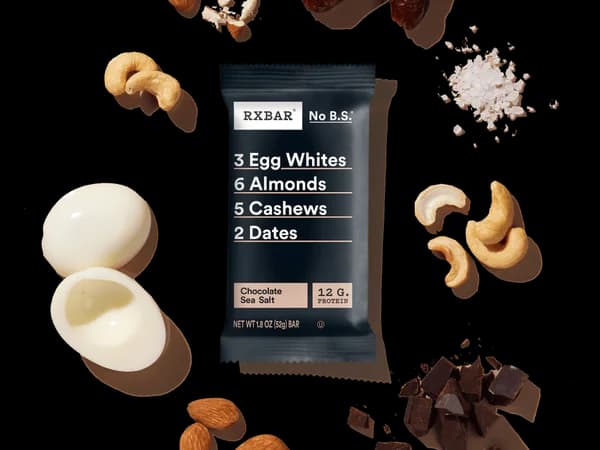
RXBAR built its brand on a simple idea: put the core ingredients on the front of the package. The Chocolate Sea Salt bar lists "3 egg whites, 6 almonds, 4 cashews, 2 dates, no B.S." right on the wrapper, and the full ingredient list is not much longer: egg whites, dates, almonds, cashews, chocolate, cocoa, natural flavors, and sea salt. That is radical simplicity in a market where most bars have 20+ ingredients.
The protein comes from egg whites, delivering 12 grams per bar. Egg white protein is highly bioavailable with a complete amino acid profile, a step up from collagen in terms of muscle synthesis support. The sweetness comes entirely from dates, which means no added sweeteners of any kind. The downside of date-based sweetness is sugar content: at 13 grams of total sugar (all from dates), this bar is higher in sugar than the others on this list. Dates do provide fiber, potassium, and magnesium alongside their sugar, so it is not empty calories, but if you are tracking sugar intake closely, this is something to factor in.
The taste and texture are divisive. The chewy, dense, date-and-nut base has a natural, almost raw quality that some people love and others find too sticky. The chocolate coating and sea salt help balance the sweetness, and the overall flavor is genuinely good, just different from the processed smoothness of mainstream bars. This is a bar that tastes like food, not candy, which is either its greatest strength or its biggest weakness depending on your palate.
At $2.49 per bar, RXBAR offers good value for the ingredient quality. The 12 grams of protein is on the lower side, but the egg white base and minimal ingredient list make it a solid choice for people who want to know exactly what they are eating without studying a chemistry label. See our full review for our detailed assessment.
Head-to-Head: ALOHA vs Garden of Life
These two share the top score on our list, but they target different needs. Here is where each one wins.
Protein content: Garden of Life takes this at 20 grams versus ALOHA's 14 grams. If maximizing protein per bar is your priority, for post-workout recovery or as a meal bridge, Garden of Life delivers more.
Ingredient cleanliness: ALOHA edges ahead. The shorter ingredient list and lower sugar content (5g vs 10g added sugar) give it the advantage for those who prioritize simplicity. ALOHA also avoids stevia, which some people find has a bitter aftertaste.
Third-party certification: Garden of Life wins decisively with NSF Certified for Sport. ALOHA is USDA Organic and Non-GMO Project Verified, but does not carry sport-specific testing certification. For competitive athletes, this difference is significant.
Taste: ALOHA takes the edge here. The peanut butter and chocolate chip combination tastes more natural and less "supplementy" than Garden of Life's denser, slightly grainier texture. Both are good, but ALOHA is the one I actually look forward to eating.
Value per gram of protein: Garden of Life provides better value at $0.16 per gram versus ALOHA's $0.21 per gram, thanks to its higher protein content at a similar per-bar price.
The verdict: If you are an athlete who needs NSF certification and maximum protein, go with Garden of Life. If you prioritize taste, lower sugar, and the cleanest possible ingredient list, go with ALOHA. Both are excellent choices that I would recommend without hesitation. For context on how protein bars fit into your broader protein intake, see our protein timing and dosing guide.
When to Eat Protein Bars
Protein bars are convenient, but they are not all-purpose fuel. Here is when they make the most sense and when you should reach for something else.
Post-workout (within 2 hours). This is the classic use case, and it holds up. A protein bar with 14-20 grams of protein and some carbohydrates provides the amino acids and glycogen replenishment your muscles need after training. Bars with complete protein sources (egg white, multi-source plant blends) are better here than collagen-based options. If you want the full story on protein timing, our best protein powders guide covers the science.
Pre-workout (60-90 minutes before). A bar with moderate protein and some carbohydrates can provide sustained energy without the heaviness of a full meal. Choose a lower-fiber option to avoid GI discomfort during exercise. RXBAR's date-based formula works well here because the natural sugars provide quick energy alongside the protein.
Meal replacement (occasional, not habitual). A protein bar can fill in when a real meal is not possible, travel days, back-to-back meetings, emergencies. But bars lack the micronutrient density, vegetable fiber, and overall satiety of actual food. Using a bar as a meal replacement more than a few times per week means your diet has a structural problem that a bar cannot solve.
Everyday snacking. This is where most people use protein bars, and it is the use case that requires the most honest self-assessment. If you are genuinely hungry between meals and need a convenient protein source, a clean bar is a perfectly good option. If you are reaching for a bar because you want something sweet and the protein label makes it feel justifiable, you are eating a snack, and that is fine, just account for the calories honestly.
The Bottom Line
The best protein bars in 2026 prove that you do not have to choose between clean ingredients and enjoyable taste. The market has matured past the era of chalky cardboard bars and candy bars in disguise.
ALOHA Peanut Butter Chocolate Chip (8.0) leads for plant-based eaters with organic ingredients, no sugar alcohols, and a taste that does not require an apology. Garden of Life Sport Organic (8.0) delivers the highest protein count and NSF Certified for Sport, the only bar on this list with that certification. Primal Kitchen Dark Chocolate Almond (7.8) is the low-sugar champion at just 1 gram of added sugar, with collagen-based benefits for joints and gut health. And RXBAR Chocolate Sea Salt (7.2) proves that radical ingredient simplicity can produce a genuinely good-tasting bar.
Read the back of the package, not the front. The front is marketing. The back is the truth.
Frequently Asked Questions
How much protein do I actually need from a protein bar?
It depends on what the bar is replacing. As a snack, 12-15 grams is sufficient to blunt hunger and support muscle maintenance. As a post-workout recovery tool, aim for 20+ grams, which may mean pairing a bar with a protein shake. As a rough guideline, active adults need 1.6-2.2 grams of protein per kilogram of body weight daily, and bars should supplement that goal, not carry it. See our protein powders category page for liquid protein options that pair well with bars.
Are sugar alcohols in protein bars safe?
Sugar alcohols (erythritol, maltitol, sorbitol, xylitol) are generally recognized as safe by the FDA and provide sweetness with fewer calories than sugar. However, they are notorious for causing gastrointestinal symptoms, bloating, gas, and diarrhea, especially in amounts over 10 grams per serving. Erythritol is the best tolerated, while maltitol is the worst offender. Recent research has also raised preliminary questions about erythritol and cardiovascular markers, though the evidence is not conclusive. My preference is to avoid sugar alcohols entirely when cleaner alternatives like monk fruit and stevia exist.
Can protein bars replace protein powder?
They can supplement it but are not a direct replacement. Protein bars typically contain 12-20 grams of protein per serving, while powders deliver 20-30 grams with fewer calories, less sugar, and faster digestion. Bars also contain fats, carbohydrates, and fiber that powders do not, which makes them more satiating but also higher in total calories. The ideal approach is to use both: powder for training-specific nutrition and bars for convenient on-the-go protein when blending is not an option.
What is the difference between whey protein bars and plant protein bars?
Whey protein bars use dairy-derived protein that is highly bioavailable with a complete amino acid profile and high leucine content, the amino acid most directly responsible for triggering muscle protein synthesis. Plant protein bars typically use blends of pea, rice, and seed proteins to achieve a complete amino acid profile. The practical difference for muscle building is small when the plant blend is well-formulated. The bigger differences are in taste (whey bars tend to be creamier), allergen profile (plant bars are dairy-free), and digestibility (some people tolerate one better than the other). Neither is categorically better, choose based on your dietary needs and tolerances.

