
Garden of Life Sport Organic Protein Bar Peanut Butter Chocolate Review
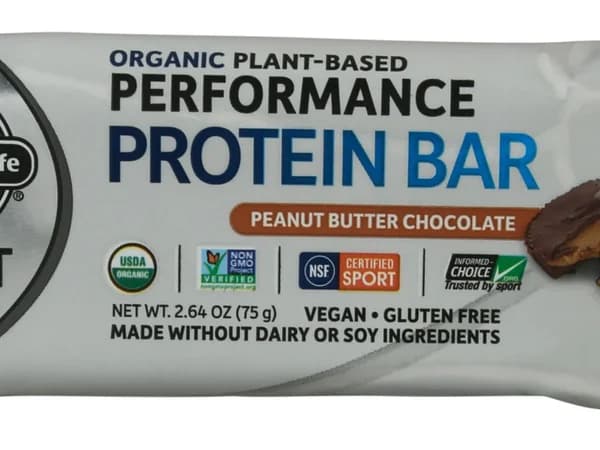
Garden of Life Sport is the most heavily certified protein bar in this comparison — NSF for Sport, USDA Organic, and Non-GMO Verified. The 20g organic plant protein is impressive for a certified bar. Texture is denser than whey-based competitors, which is typical of plant protein bars.

Garden of Life Sport Organic Protein Bar Peanut Butter Chocolate Review
Garden of Life Sport is the most heavily certified protein bar in this comparison — NSF for Sport, USDA Organic, and Non-GMO Verified. The 20g organic plant protein is impressive for a certified bar. Texture is denser than whey-based competitors, which is typical of plant protein bars.
Garden of Life Sport Organic Protein Bar Peanut Butter Chocolate Review
Garden of Life Sport is the most heavily certified protein bar in this comparison — NSF for Sport, USDA Organic, and Non-GMO Verified. The 20g organic plant protein is impressive for a certified bar. Texture is denser than whey-based competitors, which is typical of plant protein bars.

Garden of Life Sport Organic Protein Bar Peanut Butter Chocolate Pros & Cons
Pros
- Triple certified: NSF Certified for Sport, USDA Organic, and Non-GMO Project Verified
- 20g organic plant protein per bar — highest among certified organic options
- Trusted brand with pharmaceutical-grade manufacturing standards
Cons
- Dense, chewy texture typical of organic plant protein bars
- ~6g sugar per bar is moderate — not the lowest available
- Collection-level product page makes finding specific flavors difficult online
Overview
Garden of Life Sport Organic Protein Bar is the most certified protein bar in this entire comparison — and it is not close. NSF Certified for Sport, USDA Organic, and Non-GMO Project Verified. That triple certification means the bar has been independently tested for banned substances, produced with certified organic ingredients, and verified to contain no genetically modified organisms. For competitive athletes who need to know exactly what they are putting in their bodies, this level of verification eliminates guesswork.
The bar delivers 20g of organic plant protein per serving, which is impressive for a product carrying this many certifications. Getting to 20g with organic plant sources (typically pea, brown rice, and seed proteins) while maintaining palatability is a formulation challenge that most brands either solve poorly or do not attempt. Garden of Life manages it with a peanut butter chocolate flavor that tastes competent if not exciting.
The honest assessment: this bar exists to solve a specific problem — athletes who need certified-clean, organic, plant-based protein in bar form — and it solves that problem better than anything else available. If you are not a competitive athlete, do not require organic certification, or prefer animal protein sources, the texture and taste trade-offs may not be worth the certification premium. But for the audience it serves, Garden of Life Sport is essentially the only serious option.
Features Deep-Dive
Triple Certification Stack
The certification stack on this bar deserves detailed explanation because each one addresses a different concern. NSF Certified for Sport means every batch is tested for over 280 substances banned by major athletic organizations including WADA, MLB, NFL, NHL, and the PGA. This is not a self-reported claim — NSF audits the manufacturing facility and tests finished products. For collegiate or professional athletes, using a non-NSF-certified supplement carries real career risk.
USDA Organic certification requires that 95% of ingredients are certified organic, meaning produced without synthetic pesticides, herbicides, or fertilizers. The certification extends to processing aids and handling procedures. Non-GMO Project Verified adds another layer, confirming that ingredients have not been genetically modified.
No other bar in this comparison carries all three certifications. Built Bar and Barebells carry none. RXBAR carries none. The closest competitor is Orgain, which has USDA Organic and Non-GMO but lacks the NSF for Sport certification that matters most to competitive athletes.
Organic Plant Protein Blend
Hitting 20g of protein using only organic plant sources requires combining multiple proteins to achieve a complete amino acid profile. Garden of Life uses organic pea protein, organic brown rice protein, and organic seed proteins in a proprietary blend. Individually, these proteins have amino acid gaps — pea protein is low in methionine, brown rice protein is low in lysine — but combined, they create a reasonably complete profile.
The protein quality is a step below whey in terms of bioavailability. Plant proteins score lower on the PDCAAS scale and require approximately 20-30% more total protein to achieve equivalent muscle protein synthesis compared to whey. This means the 20g of organic plant protein is functionally closer to 15-16g of whey protein in terms of muscle-building effectiveness. The difference matters for athletes in caloric deficits but is less significant for the general population.
Garden of Life's pharmaceutical-grade manufacturing standards add credibility to the protein content claims. The brand is known for accurate label claims, which is not universal in the supplement industry — some brands have been caught with significant protein spiking through amino acid additions.
Taste and Texture Reality
The Peanut Butter Chocolate flavor is the strongest in Garden of Life Sport's lineup, and it is still the weakest taste experience compared to Barebells, Built Bar, or RXBAR. This is the honest trade-off of organic plant protein bars: the ingredient constraints that make them certifiable also make them harder to make delicious.
The texture is dense and chewy with a slight graininess from the plant protein blend. It is not unpleasant, but it requires committed chewing. The peanut butter flavor comes through authentically, and the chocolate elements add some depth. Compared to the waxy, artificial taste of some plant protein bars, Garden of Life is genuinely competent. Compared to the candy-bar experience of Barebells, it is a fundamentally different product category.
Warming the bar slightly (sitting on it during a warm-up, leaving it in a car in summer) improves the texture noticeably. The plant proteins soften with heat in a way that makes the bar less dense and more palatable. This is a real-world tip from athletes who have made this bar part of their routine.
Pricing Analysis
At approximately $2.33 per bar ($28 for a box of 12), Garden of Life Sport sits at the same price point as RXBAR despite carrying significantly more certifications and delivering more protein. The cost per gram of protein is roughly $0.12/g, which is actually one of the best ratios in this comparison — better than RXBAR ($0.19/g) and comparable to Barebells ($0.13/g).
The value equation becomes clearer when you consider what you would pay for certified organic, NSF for Sport verified protein from other sources. Organic protein powders with NSF certification run $2-3 per serving. Garden of Life delivers that in a convenient, shelf-stable bar format with no preparation required.
For athletes who need NSF certification, the relevant comparison is not against uncertified bars but against other certified options — and in that much smaller competitive set, Garden of Life offers strong value. You are paying for peace of mind that has real professional consequences, not just a marketing premium.
Who Is This For?
Garden of Life Sport Organic Protein Bar Peanut Butter Chocolate works best for:
-
Competitive and collegiate athletes subject to drug testing who need NSF Certified for Sport verification on every supplement they consume. The career risk of a contaminated supplement makes this certification non-negotiable for many athletes, and Garden of Life is one of very few bars that provides it.
-
Organic-committed consumers who extend their organic purchasing philosophy to supplements and snacks. If you buy organic produce, organic dairy, and organic grains, an organic protein bar maintains that consistency rather than introducing conventional ingredients during snack time.
-
Plant-based athletes who need meaningful protein (20g) in a vegan-friendly format with clean sourcing. The combination of plant protein, organic certification, and athletic-grade testing is not available from any other bar in this comparison.
-
Health professionals and coaches who recommend supplements to clients and need to point to products with verifiable third-party certification rather than relying on brand claims.
Who Should NOT Use This
Garden of Life Sport Organic Protein Bar Peanut Butter Chocolate might not be the right choice if:
-
Taste is your primary purchase driver. This bar is competent but not exciting. If you have already tried and rejected other protein bars for taste reasons, Garden of Life is unlikely to convert you. Barebells and Built Bar offer dramatically better eating experiences at similar price points, just without the certifications.
-
You have no use for athletic certifications. If you are not subject to drug testing and do not specifically require USDA Organic or Non-GMO verification, you are paying a premium for credentials that do not benefit you. The same $2.33 buys better taste (Barebells), cleaner ingredient lists (RXBAR), or more innovative formats (Built Bar) in uncertified options.
-
You prefer lighter, crispier bar textures. The dense, chewy plant protein base is inherent to the formulation. No amount of flavor innovation changes the fundamental mouthfeel of organic pea and rice protein compressed into a bar. If density bothers you, look elsewhere.
Bottom Line
Garden of Life Sport Organic Protein Bar solves a narrow problem extremely well: delivering certified-clean, organic, plant-based protein in a convenient bar for athletes who cannot risk supplement contamination. The NSF for Sport, USDA Organic, and Non-GMO triple certification is unmatched in this product category. The 20g protein at $2.33/bar offers genuinely strong value within the certified supplement space.
The bar tastes like what it is — an organic plant protein bar with serious credentials. Not bad, not great, just honest. For the athlete who needs the certification stack, there is no real alternative. For everyone else, the taste and texture trade-offs make other bars more enjoyable daily companions.
FAQ
Why does NSF for Sport certification matter?
NSF for Sport testing screens every batch for over 280 substances banned by major athletic organizations. A positive drug test from a contaminated supplement can end careers, strip medals, and trigger suspensions. The certification provides documented proof that the product has been independently tested — something an athlete can present to a governing body if questions arise. For recreational gym-goers, it is unnecessary. For competitive athletes, it is essential.
How does the plant protein compare to whey for muscle building?
Gram for gram, plant protein is approximately 20-30% less effective than whey for stimulating muscle protein synthesis due to lower leucine content and reduced bioavailability. However, Garden of Life's 20g serving partially compensates for this gap. The practical difference for most athletes is minimal when total daily protein intake is adequate. If you are in a severe caloric deficit where every gram matters, whey has a measurable advantage.
Is this bar actually good for everyday snacking?
It is functional rather than enjoyable for everyday snacking. The dense texture and earthy plant protein flavor make it feel more like a supplement than a treat. Athletes who use it regularly report that it grows on you, but few describe it as a food they crave. If you want a protein bar that doubles as a snack you look forward to, Barebells or Built Bar will make you happier.
Can I find this bar in regular grocery stores?
Distribution is more limited than mainstream brands like RXBAR or Quest. Garden of Life Sport bars are reliably found at Whole Foods, Sprouts, and natural food stores. Amazon carries them consistently. Conventional grocery stores and convenience stores are less reliable. The product page on Garden of Life's website shows the full product line at a collection level, which can make finding the specific Sport bar flavor you want slightly frustrating online.
Is this suitable for vegans?
Yes. The protein comes entirely from organic plant sources (pea, brown rice, and seed proteins). The bar contains no dairy, eggs, or animal-derived ingredients. The USDA Organic and Non-GMO certifications extend to all components. For vegans who also prioritize organic sourcing and athletic certification, this is the most thoroughly vetted option available.
Who Is Garden of Life Sport Organic Protein Bar Peanut Butter Chocolate Best For?
Certified-organic athletes who need NSF for Sport verification in a protein bar
The Bottom Line
Garden of Life Sport is the most heavily certified protein bar in this comparison — NSF for Sport, USDA Organic, and Non-GMO Verified. The 20g organic plant protein is impressive for a certified bar. Texture is denser than whey-based competitors, which is typical of plant protein bars.
Try Garden of Life Sport Organic Protein Bar Peanut Butter Chocolate TodayKey Specs
Scoring Breakdown
Evaluates overall cleanliness of the ingredient list. Penalizes artificial sweeteners (sucralose, acesulfame K), sugar alcohols (erythritol, maltitol, sorbitol), artificial preservatives, artificial colors/flavors, and seed oils. Rewards whole food ingredients, organic certification, and minimal processing.
Assesses the quality and bioavailability of protein sources. Ranks: grass-fed whey isolate > whey concentrate > egg white > collagen > multi-source plant blend > single-source plant protein. Considers amino acid completeness and digestibility (PDCAAS score).
Analyzes total sugar content and sweetener types. Penalizes high sugar (>8g), sugar alcohols, and artificial sweeteners. Rewards natural sweeteners (dates, honey, monk fruit) and low total sugar while maintaining palatability.
Evaluates protein-to-calorie ratio, fiber content (3g+ preferred), and overall macronutrient distribution. Higher protein per calorie scores better. Balanced fat content and adequate fiber are preferred.
Third-party certifications including USDA Organic, Non-GMO Project Verified, NSF Certified for Sport, Informed Sport, Kosher, B Corp status, and independent lab testing verification.
Based on aggregated consumer reviews, expert taste tests, and texture assessments across major review sources. Considers flavor variety, chewiness vs. chalkiness, and overall enjoyment.
Full ingredient disclosure, clear allergen labeling, sourcing information (e.g., grass-fed, organic origin), nutritional claim accuracy, and company transparency practices.