Primal Kitchen Dark Chocolate Almond Collagen Bar Review
Primal Kitchen delivers a clean collagen bar sweetened only with honey and monk fruit. The 3g sugar with 15g protein ratio is strong, and the ingredient list reads like real food. Collagen's incomplete amino acid profile is the main limitation for those seeking complete protein.

Primal Kitchen Dark Chocolate Almond Collagen Bar Review
Primal Kitchen delivers a clean collagen bar sweetened only with honey and monk fruit. The 3g sugar with 15g protein ratio is strong, and the ingredient list reads like real food. Collagen's incomplete amino acid profile is the main limitation for those seeking complete protein.
Primal Kitchen Dark Chocolate Almond Collagen Bar Review
Primal Kitchen delivers a clean collagen bar sweetened only with honey and monk fruit. The 3g sugar with 15g protein ratio is strong, and the ingredient list reads like real food. Collagen's incomplete amino acid profile is the main limitation for those seeking complete protein.

Primal Kitchen Dark Chocolate Almond Collagen Bar Pros & Cons
Pros
- Sweetened with honey and monk fruit — zero artificial sweeteners or sugar alcohols
- Grass-fed bovine collagen provides 15g protein with joint and skin benefits
- Only 3g sugar per bar while maintaining natural, whole-food sweetness
Cons
- Collagen is not a complete protein — lacks essential amino acid tryptophan
- No major third-party certifications like USDA Organic or NSF
- Premium price at ~$3.00/bar for a collagen-based product
Overview
Primal Kitchen has carved out a specific niche in the protein bar space: paleo-friendly, naturally sweetened, and built around grass-fed collagen rather than the whey or plant proteins that dominate the category. The Dark Chocolate Almond Collagen Bar delivers 15g of protein with only 3g of sugar, sweetened exclusively with honey and monk fruit. No stevia, no erythritol, no sucralose -- just two of the oldest and most well-tolerated natural sweeteners available.
The collagen angle is both this bar's greatest differentiator and its most significant limitation. Grass-fed bovine collagen provides type I and type III collagen peptides that support joint, skin, hair, and gut health -- benefits you simply cannot get from whey or pea protein. But collagen is not a complete protein. It lacks tryptophan entirely and is low in several other essential amino acids, meaning it cannot fully replace a complete protein source for muscle protein synthesis. This bar is best understood not as a standard protein bar alternative, but as a collagen supplement that happens to be shaped like a bar and tastes remarkably good doing it. For the paleo community and collagen enthusiasts, it solves a real problem: getting your daily collagen without mixing powder into coffee or choking down capsules.
Features Deep-Dive
Sweetener Strategy: Honey and Monk Fruit
Primal Kitchen's sweetening approach deserves attention because it threads a needle that most bars miss. Honey provides genuine sweetness with trace minerals and enzymatic benefits, while monk fruit (luo han guo) amplifies sweetness without adding calories or triggering blood sugar spikes. The result is a bar that tastes legitimately sweet at only 3g of sugar -- a ratio most bars achieve only through stevia (which carries a bitter aftertaste for roughly 20% of the population) or sugar alcohols (which cause GI distress in many users). This is one of the cleanest low-sugar formulations on the market. The dark chocolate flavor is rich and authentic, not the thin, waxy chocolate coating found in many competitor bars. If you have bounced off other "clean" bars because they taste like sweetened cardboard, Primal Kitchen's sweetener blend is worth trying specifically because it avoids the two most common flavor pitfalls in the category.
Grass-Fed Collagen Protein
The 15g of protein comes entirely from grass-fed bovine collagen peptides sourced from pasture-raised cattle. This matters beyond marketing: grass-fed collagen has a more favorable amino acid profile for connective tissue repair, with higher concentrations of glycine, proline, and hydroxyproline compared to conventional collagen sources. These amino acids are specifically involved in joint cartilage maintenance, skin elasticity, and gut lining integrity. However, collagen's amino acid profile is fundamentally different from muscle-building proteins. It contains almost no branched-chain amino acids (BCAAs) and completely lacks tryptophan, making it an incomplete protein by PDCAAS standards. If your goal is post-workout muscle protein synthesis, collagen alone will not get you there. The practical implication: this bar is excellent as a daily collagen supplement and a clean snack, but should not replace a complete protein source in your diet. Many users pair it with a whey or egg-based protein source elsewhere in their day.
Paleo Compatibility and Ingredient Transparency
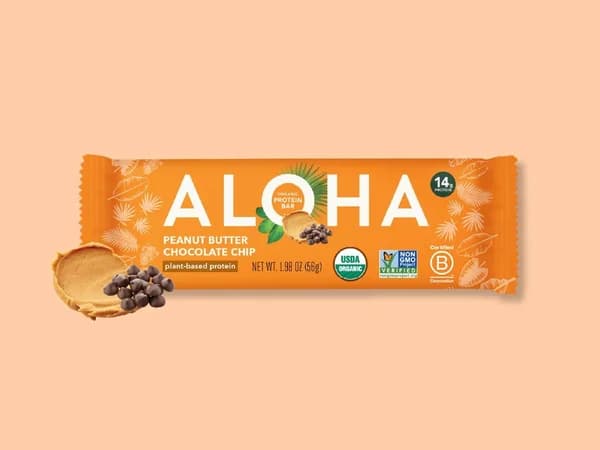
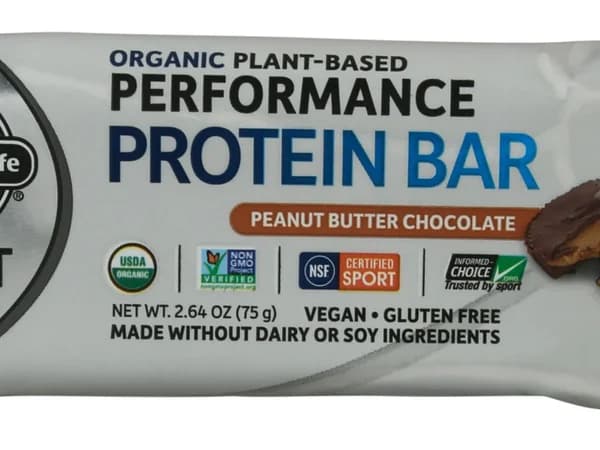
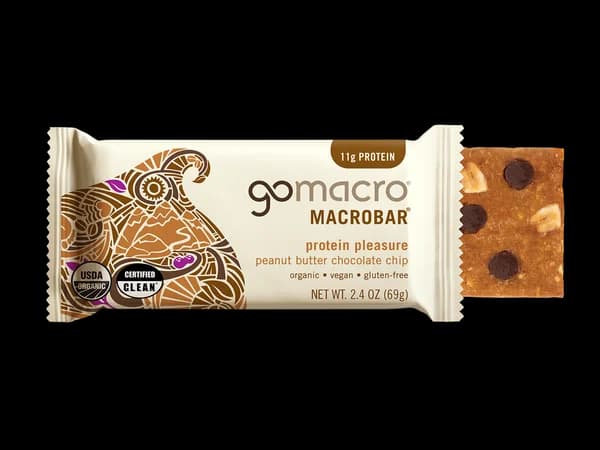
Every ingredient in this bar passes strict paleo guidelines -- no grains, no soy, no refined sugars, no dairy (aside from the bovine collagen, which is dairy-free by nature). The ingredient list includes almonds, cashew butter, tapioca fiber, sunflower lecithin, and cocoa butter -- all recognizable, whole-food ingredients. Primal Kitchen was founded by Mark Sisson, author of The Primal Blueprint, and the brand's formulations reflect that dietary philosophy throughout. The transparency extends to sourcing claims: grass-fed, pasture-raised collagen from cattle not treated with rBGH or antibiotics. Where this bar falls short on the certification front is third-party verification -- it lacks USDA Organic, NSF, or Informed Sport certifications that competitors like GoMacro and ALOHA carry. You are trusting the brand's claims rather than independent auditors, which may or may not matter to you depending on your certification standards.
Pricing Analysis
At approximately $3.00 per bar ($36 for a box of 12), Primal Kitchen occupies the premium tier but is not the most expensive option in our comparison -- GoMacro runs about $3.25 per bar. The value equation changes when you consider what this bar replaces. A standalone grass-fed collagen supplement runs $30-50 for a 30-day supply, and most collagen powders provide 10-20g per serving. If you are already buying collagen powder separately, replacing one daily serving with this bar costs roughly the same while adding the convenience factor of a portable, no-prep snack. Compared to other collagen bars specifically, Bulletproof runs about $2.92 per bar with only 11g protein and stevia sweetening. The extra $0.08 per bar for Primal Kitchen gets you 4g more protein and honey/monk fruit sweetening instead of stevia -- a meaningful upgrade for most palates. Subscription options through the Primal Kitchen website or Amazon Subscribe & Save can bring the per-bar cost down to the $2.50-$2.70 range, which makes the value proposition considerably stronger for committed buyers.
Who Is This For?
Primal Kitchen Dark Chocolate Almond Collagen Bar works best for:
- Paleo and primal diet followers who struggle to find convenient, compliant snacks. Every ingredient passes strict paleo guidelines, and the bar was literally designed by one of the paleo movement's founders. If you follow a paleo template, this is one of the most reliable grab-and-go options available.
- Collagen supplement users who want to replace powder mixing or capsule swallowing with something that actually tastes good. If you are already investing in daily collagen for joint, skin, or gut health, this bar consolidates that habit into a format you might look forward to eating.
- Stevia-sensitive individuals who detect the bitter aftertaste that affects roughly 20% of the population. The honey and monk fruit sweetening provides genuine sweetness without the metallic or licorice notes that drive people away from stevia-based bars like Bulletproof.
- Low-sugar seekers who refuse artificial sweeteners. At 3g of sugar with no sugar alcohols, sucralose, or stevia, this bar occupies a sweetener middle ground that very few competitors can match.
Who Should NOT Use This
Primal Kitchen Dark Chocolate Almond Collagen Bar might not be the right choice if:
- You need complete protein for muscle building. Collagen lacks tryptophan and is low in BCAAs, making it inadequate as a sole protein source for muscle protein synthesis. If post-workout recovery is your primary use case, choose a whey, egg white, or complete plant-protein bar instead. The 15g of collagen protein is not equivalent to 15g of whey protein in terms of muscle-building potential.
- Third-party certifications are non-negotiable for you. Without USDA Organic, NSF, or Informed Sport verification, you are relying on brand claims rather than independent audits. If you require certified organic ingredients or banned-substance testing for competitive sports, GoMacro or ALOHA offer stronger certification profiles.
- You are vegan or vegetarian. The protein source is bovine collagen from cattle -- there is no plant-based version of this bar. Vegan collagen alternatives exist in the supplement space but are not what Primal Kitchen uses here.
Bottom Line
Primal Kitchen delivers a genuinely clean collagen bar that doubles as a daily supplement and a satisfying snack. The honey and monk fruit sweetening is a standout -- achieving 3g sugar without stevia or sugar alcohols is rare and valuable. The main limitation is inherent to the product category: collagen is not complete protein, and no amount of sourcing quality changes that biochemistry. For paleo dieters and collagen enthusiasts who understand that distinction, this is one of the best options available.
FAQ
Is collagen protein as effective as whey for building muscle?
No, and the difference is significant. Collagen lacks the essential amino acid tryptophan entirely and is very low in leucine, the primary trigger for muscle protein synthesis. Research consistently shows that collagen protein stimulates muscle growth less effectively than whey, casein, or even soy protein gram for gram. However, collagen offers benefits that whey cannot: improved joint mobility, skin elasticity, gut lining support, and connective tissue repair. The best approach for most people is to use collagen and complete protein for different purposes rather than treating them as interchangeable.
How does this compare to Bulletproof's collagen bar?
Both use grass-fed collagen, but the differences add up. Primal Kitchen offers 15g protein versus Bulletproof's 11g, uses honey and monk fruit instead of stevia, and generally receives higher taste ratings. Bulletproof counters with MCT oil for ketone production and slightly lower sugar (2g vs 3g). The price difference is minimal -- about $0.08 per bar. For most users, Primal Kitchen is the better collagen bar unless you specifically want the MCT oil and are comfortable with stevia's taste profile.
Can I eat this bar if I have a dairy allergy?
Yes. Despite being derived from cattle, bovine collagen peptides are dairy-free. Collagen is extracted from connective tissue (hides and bones), not from milk. The bar also contains no milk, cheese, whey, or casein. However, always check the allergen statement on the packaging, as manufacturing facilities may process dairy products and cross-contamination is possible.
Why does it not have USDA Organic certification?
Grass-fed bovine collagen sourcing and organic certification involve different supply chain requirements that are difficult to combine cost-effectively. The USDA Organic seal requires every ingredient to meet organic standards, and certified organic collagen from verified pasture-raised, grass-fed cattle is exceptionally expensive and limited in supply. Primal Kitchen has chosen to prioritize grass-fed and pasture-raised sourcing claims over the organic certification, which is a defensible trade-off but does mean you are trusting the brand rather than an independent auditor.
Who Is Primal Kitchen Dark Chocolate Almond Collagen Bar Best For?
Paleo and collagen enthusiasts who want naturally sweetened bars with minimal sugar
The Bottom Line
Primal Kitchen delivers a clean collagen bar sweetened only with honey and monk fruit. The 3g sugar with 15g protein ratio is strong, and the ingredient list reads like real food. Collagen's incomplete amino acid profile is the main limitation for those seeking complete protein.
Try Primal Kitchen Dark Chocolate Almond Collagen Bar TodayKey Specs
Scoring Breakdown
Evaluates overall cleanliness of the ingredient list. Penalizes artificial sweeteners (sucralose, acesulfame K), sugar alcohols (erythritol, maltitol, sorbitol), artificial preservatives, artificial colors/flavors, and seed oils. Rewards whole food ingredients, organic certification, and minimal processing.
Assesses the quality and bioavailability of protein sources. Ranks: grass-fed whey isolate > whey concentrate > egg white > collagen > multi-source plant blend > single-source plant protein. Considers amino acid completeness and digestibility (PDCAAS score).
Analyzes total sugar content and sweetener types. Penalizes high sugar (>8g), sugar alcohols, and artificial sweeteners. Rewards natural sweeteners (dates, honey, monk fruit) and low total sugar while maintaining palatability.
Evaluates protein-to-calorie ratio, fiber content (3g+ preferred), and overall macronutrient distribution. Higher protein per calorie scores better. Balanced fat content and adequate fiber are preferred.
Third-party certifications including USDA Organic, Non-GMO Project Verified, NSF Certified for Sport, Informed Sport, Kosher, B Corp status, and independent lab testing verification.
Based on aggregated consumer reviews, expert taste tests, and texture assessments across major review sources. Considers flavor variety, chewiness vs. chalkiness, and overall enjoyment.
Full ingredient disclosure, clear allergen labeling, sourcing information (e.g., grass-fed, organic origin), nutritional claim accuracy, and company transparency practices.