Best Dry Dog Food in 2026: Kibble That Actually Delivers on Nutrition
Our expert picks for the best dry dog food in 2026, from budget-friendly kibble to premium grain-free formulas.

Finding Kibble Worth Feeding
The dry dog food market is enormous, confusing, and, if I am being honest, full of brands that spend more on bag design than on ingredient sourcing. Walk into any pet store and you will find dozens of options with phrases like "ancestral recipe" and "farm-fresh ingredients" plastered across the front, while the actual ingredient panel tells a very different story. Corn gluten meal, unnamed animal by-products, and artificial preservatives hiding behind friendly branding.
I have spent the past several months researching dry dog food formulations, reading AAFCO feeding trial data, comparing guaranteed analyses, and tracking recall histories. I also consulted veterinary nutritionists to understand the DCM (dilated cardiomyopathy) concerns around grain-free diets and how brands are responding. This guide cuts through the noise and highlights the kibble that actually delivers on its nutritional promises, from premium options that justify their price to budget picks that punch well above their weight. For the complete ranked list, head to our best dry dog food category page.
What to Look For in Dry Dog Food
Before I walk through specific products, here are the criteria that actually matter when evaluating kibble. These are the same factors behind our scoring methodology.
Named animal protein as the first ingredient. "Chicken" or "deboned beef" is what you want to see. "Meat meal" or "animal by-product meal" without specifying the species is a red flag. The more specific the label, the more accountable the manufacturer.
Protein percentage and source. Look for a minimum of 25-30% crude protein for adult maintenance, and 30%+ for active dogs or puppies. But the number alone is not enough, plant-based protein boosters like pea protein can inflate the percentage without delivering the amino acid profile dogs actually need.
Grain-free vs grain-inclusive. The FDA's 2018 investigation into a potential link between grain-free diets and DCM shifted the conversation significantly. While the science is still evolving, many veterinary nutritionists now recommend grain-inclusive formulas unless your dog has a diagnosed grain allergy. Several brands on this list offer grain-inclusive options that maintain high protein levels without relying on legume-heavy fillers.
Recall history. A brand with zero recalls is not automatically better, but a brand with repeated recalls for the same contaminant is telling you something about their quality control. I weigh this heavily.
Cost per day. Premium kibble can run $2+ per day for a 50-pound dog. Budget options can come in under $0.70. That gap adds up to over $500 a year, so the value calculation matters. I list approximate daily costs for a 50-pound dog throughout this guide.
Our Top Picks
Orijen Original: Best Overall
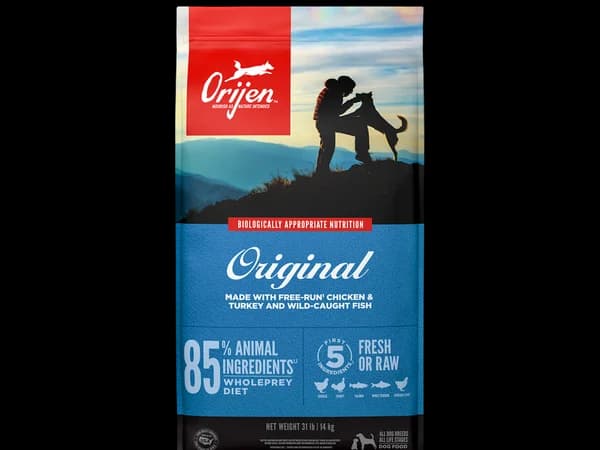
Orijen has built its reputation on a simple promise: 85% animal ingredients, sourced from whole prey ratios that include muscle meat, organs, and cartilage. The Original formula delivers on that promise with a protein content that sits at 38%, one of the highest in the category, sourced from free-run chicken and turkey, wild-caught fish, and cage-free eggs.
What sets Orijen apart from other high-protein kibble is the WholePrey approach. Instead of stripping meat down to a single cut and then adding synthetic vitamins to compensate, they include nutrient-dense organs like liver and kidney that provide vitamins and minerals in their naturally occurring form. It is a fundamentally different philosophy from most kibble manufacturing, and the guaranteed analysis reflects it.
The downsides are real: Orijen is expensive at roughly $2.13 per day for a 50-pound dog, and the grain-free formula may concern owners who are following the DCM discussion closely. Orijen has zero recalls in its history, which speaks to rigorous quality control, but the price puts it out of reach for many households. If your budget allows it and your vet has no concerns about grain-free feeding, this is the kibble I would choose. See our full review for the complete nutritional breakdown.
ACANA Wholesome Grains Free-Run Poultry: Best Grain-Inclusive
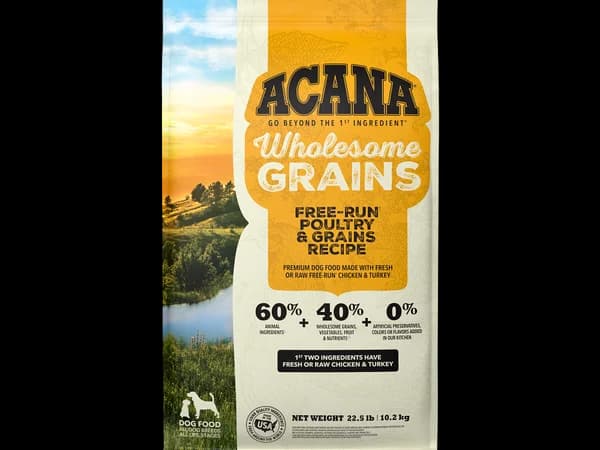
ACANA is Orijen's sister brand, both are made by Champion Petfoods, and this Wholesome Grains line is their direct response to the DCM conversation. It includes oats and sorghum as whole grain sources while maintaining the high-quality animal protein sourcing that Champion is known for. The result is a formula that gives you most of Orijen's nutritional philosophy with the peace of mind of grain-inclusive ingredients.
The protein sits at 31%, sourced primarily from free-run chicken and turkey. That is lower than Orijen's 38%, but it is still well above average for the category and comes from quality animal sources rather than plant-based fillers. The grain inclusion means the carbohydrate profile leans on oats and sorghum rather than lentils and peas, which is exactly what veterinary nutritionists have been recommending.
At approximately $1.60 per day for a 50-pound dog, ACANA saves you about $0.53 daily compared to Orijen, roughly $190 per year, while maintaining zero recalls and strong ingredient transparency. For most dog owners, this is the formula I recommend first. It threads the needle between premium nutrition and practical caution on the grain-free question. Read our full review for more details.
Taste of the Wild High Prairie: Best for Sensitive Dogs
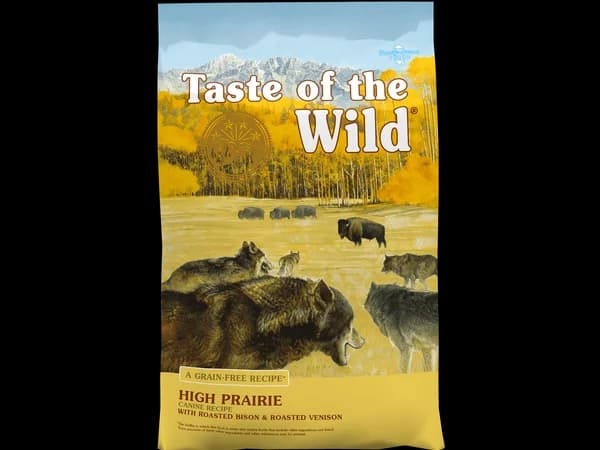
If your dog has shown sensitivity to common proteins like chicken or beef, Taste of the Wild High Prairie is worth serious consideration. The formula leads with roasted bison and roasted venison, novel proteins that most dogs have never been exposed to, which makes allergic reactions far less likely. It also includes real fruit and vegetable ingredients like sweet potatoes, peas, and blueberries for antioxidant support.
The protein content comes in at 32%, which is solid, and the formula includes proprietary K9 Strain probiotics, actual live, viable bacteria that survive processing and support digestive health. I have seen enough research on canine-specific probiotic strains to believe this is more than a marketing bullet point.
The trade-off is that this is a grain-free formula, so the DCM-cautious crowd may want to discuss it with their vet. The price lands in the mid-range territory, making it an accessible step up from grocery store brands without the sticker shock of ultra-premium options. For dogs with confirmed or suspected food sensitivities, this is a strong pick. Check out our full review for ingredient analysis.
Victor Purpose Nutra Pro: Best Value for Active Dogs
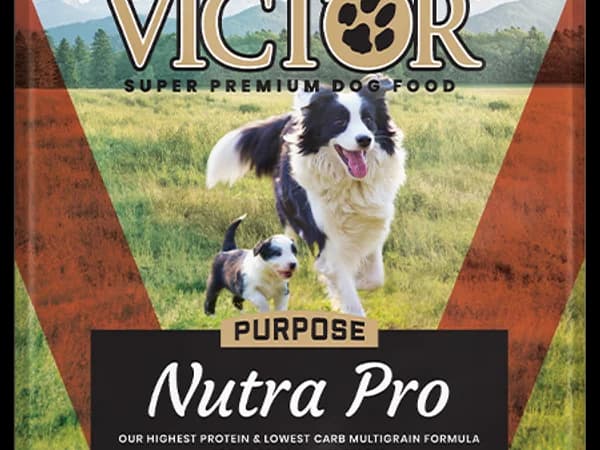
Victor is a brand that does not get nearly enough attention outside of working dog and sporting dog circles, and the Nutra Pro formula is the reason it deserves a spot on this list. At 38% protein and approximately $0.69 per day for a 50-pound dog, the value proposition is almost hard to believe. You are getting Orijen-level protein numbers at roughly a third of the price.
The protein sources are beef meal, chicken meal, and pork meal, note the "meal" designation, which means these are rendered and concentrated protein sources rather than whole cuts. That is less glamorous on the label, but meat meals actually deliver more protein per pound than whole meat because the water has been removed. It is a legitimate nutritional strategy, even if the marketing is less appealing.
Victor also includes their proprietary VPRO blend, a mix of selenium yeast, prebiotics, probiotics, and mineral complexes designed to support immune function and nutrient absorption. The formula is grain-inclusive with sorghum and millet, which checks the box on DCM concerns. If you have an active dog, a runner, a working breed, or just a high-energy companion, and you do not want to spend $60+ per bag, Victor is the answer. See our full review for the complete breakdown.
Diamond Naturals All Life Stages: Best Budget Pick
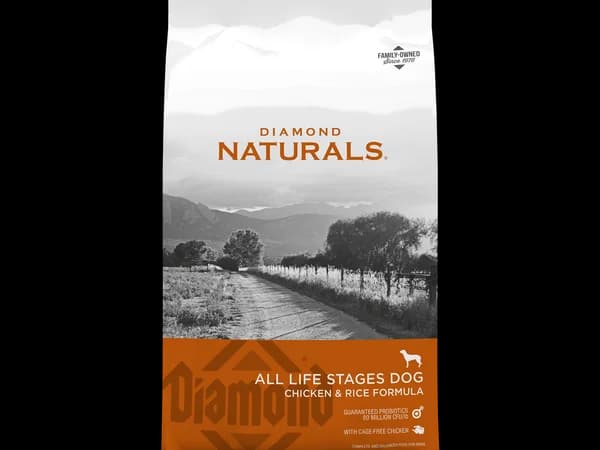
At roughly $0.59 per day for a 50-pound dog, Diamond Naturals is the most affordable option on this list, and it is not embarrassing itself. The formula leads with cage-free chicken as the first ingredient, includes chicken meal as a concentrated protein source, and uses brown rice and oatmeal as wholesome grain carbohydrates. You also get added superfoods like chia seed, quinoa, and dried kelp, plus guaranteed probiotics for digestive health.
The protein sits at 26%, which is adequate for adult maintenance but below what I would recommend for very active dogs or puppies. The ingredient list is clean by budget standards, no corn, wheat, or soy, no artificial colors or flavors, and no unnamed by-products.
The honest caveat: Diamond Pet Foods (which manufactures this line) has had recalls in the past, most notably a salmonella contamination issue in 2012. They have since invested heavily in food safety infrastructure, but it is part of the brand's history and worth noting. For households that need to feed one or more dogs on a tight budget, Diamond Naturals is the best option I have found that does not cut corners on the fundamentals. Read our full review for more on value and safety.
Head-to-Head: Orijen Original vs ACANA Wholesome Grains
This is the comparison that comes up most often, and it makes sense, these are sister brands from the same manufacturer, Champion Petfoods. The question boils down to: is Orijen's premium formulation worth the extra cost, or does ACANA's grain-inclusive approach make it the smarter buy?
Protein content: Orijen leads at 38% vs ACANA's 31%. Both source their protein from quality animal ingredients, but Orijen's WholePrey ratios include more organ meat and cartilage, delivering a broader spectrum of naturally occurring nutrients.
Grain-free vs grain-inclusive: This is the defining difference. Orijen Original is grain-free, relying on lentils, beans, and squash for its carbohydrate content. ACANA Wholesome Grains uses oats and sorghum. If the DCM research concerns you at all, ACANA is the safer bet until the science reaches a firmer conclusion.
Ingredient sourcing: Both brands use regionally sourced, high-quality ingredients and manufacture in their own kitchens. Neither outsources production, which is a meaningful quality control advantage. Both have zero recalls.
Cost: Orijen runs about $2.13 per day for a 50-pound dog. ACANA comes in at roughly $1.60. Over a year, that is a $193 difference, enough to cover a vet visit or a month of treats.
The verdict: For most dog owners, ACANA Wholesome Grains is the better recommendation. It offers 90% of Orijen's nutritional philosophy at 75% of the price, with the added peace of mind of grain-inclusive ingredients. Orijen remains the choice for owners who want the absolute highest protein and nutrient density and whose vet is comfortable with grain-free feeding.
Budget vs Premium: Is It Worth the Upgrade?
The price gap in dry dog food is staggering. Diamond Naturals costs roughly $0.59 per day while Orijen runs $2.13, a 3.6x multiplier. Over a year, that is the difference between $215 and $777. So is the premium worth it?
Here is what you actually get when you move up the price ladder. Premium kibble typically uses whole or specified meat as the primary protein source rather than meals or by-products. The ingredient lists are shorter and more recognizable. You see fewer synthetic vitamin and mineral supplements because the whole-food ingredients provide more nutrients naturally. And the caloric density is often higher, meaning you feed less per serving, which partially offsets the per-bag price.
But I am not going to pretend that a $0.59/day kibble is going to harm a healthy adult dog. Diamond Naturals and Victor both use real animal protein as their first ingredient, include probiotics, and meet AAFCO nutrient profiles for all life stages. A dog eating Diamond Naturals with regular vet care, exercise, and fresh water is going to do just fine.
The upgrade matters most for dogs with specific needs: sensitive stomachs, food allergies, high activity levels, or breeds predisposed to certain conditions. It also matters if ingredient transparency and sourcing ethics are important to you personally. But if you are feeding a healthy adult dog on a tight budget, a mid-range option like Victor at $0.69 per day gets you 38% protein with quality ingredients, and that is genuinely hard to beat.
If you are also considering wet food as a topper or alternative, check out our best wet dog food guide for options that pair well with these kibble picks.
The Bottom Line
The best dry dog food in 2026 comes down to matching the formula to your dog's needs and your budget.
For the best overall nutrition, Orijen Original (8.9) sets the standard with its 85% animal ingredient ratio and WholePrey formulation. For a grain-inclusive alternative that still delivers premium nutrition, ACANA Wholesome Grains Free-Run Poultry (8.7) is my top recommendation for most dog owners, it offers the best balance of quality, safety, and value in the premium tier.
Dogs with protein sensitivities should look at Taste of the Wild High Prairie (8.2) for its novel bison and venison proteins. Active dogs on a budget cannot do better than Victor Purpose Nutra Pro (7.8) at $0.69 per day with 38% protein. And for households watching every dollar, Diamond Naturals All Life Stages (7.6) proves that $0.59 per day can still buy real chicken, whole grains, and probiotics.
Whatever you choose, read the ingredient panel, not the marketing on the front of the bag. That is where the truth lives.
Frequently Asked Questions
Is grain-free dog food actually dangerous?
The short answer is: we do not know for certain yet. The FDA began investigating a potential link between grain-free diets and dilated cardiomyopathy (DCM) in 2018, and while they identified a statistical correlation, particularly with diets heavy in legumes like peas and lentils, they have not established a causal mechanism. Many veterinary nutritionists now recommend grain-inclusive formulas as a precautionary measure unless your dog has a diagnosed grain allergy. If you are currently feeding grain-free and your dog is thriving, talk to your vet rather than making a panic switch.
How much dry dog food should I feed my dog per day?
Feeding guidelines on the bag are a starting point, not gospel. They are based on average metabolic rates and tend to overestimate for less active dogs. A moderately active 50-pound dog typically needs 2 to 2.5 cups of standard kibble per day, but this varies significantly based on the food's caloric density, your dog's age, activity level, and body condition. Weigh your dog regularly, monitor their body condition score (you should be able to feel but not see their ribs), and adjust portions accordingly. Your vet can help dial in the right amount at annual checkups.
Does expensive dog food actually last longer because you feed less?
In many cases, yes. Premium kibble tends to be more calorically dense and more nutrient-rich per cup, which means smaller serving sizes. For example, Orijen recommends roughly 1.5 cups per day for a 50-pound dog, while a grocery store brand might recommend 3+ cups for the same weight. This does not fully close the price gap, the premium food still costs more per day, but it narrows it more than the sticker price on the bag would suggest. Always calculate cost per day rather than cost per bag to get an accurate comparison.
Can I mix dry dog food with wet food or toppers?
Absolutely, and many nutritionists recommend it. Adding a small amount of wet food or a fresh food topper to kibble can increase moisture intake, improve palatability, and add nutritional variety. The key is to account for the added calories so you are not overfeeding. A good rule of thumb is to reduce the kibble portion by roughly 25% for every quarter-cup of wet food you add. Just make sure both the kibble and the topper are complete and balanced formulas from reputable brands.
