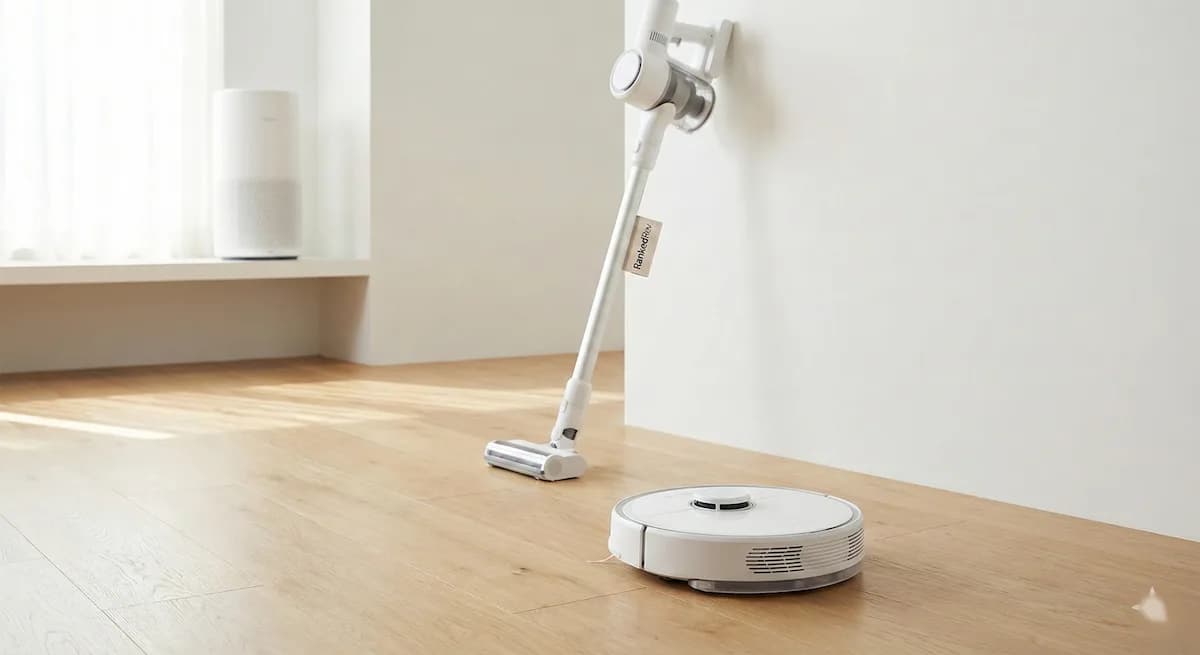
Best Home Cleaning & Air Quality Upgrades 2026
From robot vacuums to air purifiers, these are the home appliances that actually earn their keep in 2026.

What Actually Makes a Home Appliance Worth the Upgrade?
I have a confession: my garage has a graveyard of appliances that promised to change my life. A bread maker from 2019 that saw exactly three loaves. A handheld steamer that could not, in fact, de-wrinkle a linen curtain. A "smart" soap dispenser that dispensed soap when nobody asked.
After renovating two homes and testing more household products than I care to admit, I have developed a ruthlessly simple filter for what deserves space in a home. An appliance earns its keep when it solves a real problem, does so reliably for years, and ideally looks good enough that you do not need to hide it in a closet.
That filter narrows the field considerably. In 2026, the home appliance categories seeing the most meaningful innovation are robot vacuums, cordless stick vacuums, and air purifiers. Navigation AI has matured to the point where robot vacuums actually clean methodically instead of bumping around like drunk Roombas. Battery technology has given cordless vacuums the stamina to handle a full house. And air purifiers have become genuinely smart about adjusting to real-time air quality rather than just running on a timer.
This guide covers the specific products I would recommend across those three categories, with honest assessments of where the premium pricing is justified and where you can save.
What to Look For in Modern Home Appliances
Before diving into specific picks, here are the criteria that separate the genuinely good from the merely expensive:
- Solves a daily friction point. The best appliances address something you deal with every single day, not a once-a-month inconvenience. Vacuuming and air quality both qualify.
- Reliability over features. A product that does three things well beats one that does twelve things poorly. I would rather have a vacuum with excellent suction and a five-year motor than one with an app that can play music while it cleans.
- Maintenance is manageable. Self-emptying dust bins, washable filters, and easy-access brush rolls are not luxury features anymore. They are the difference between an appliance you actually use and one that becomes a very expensive doorstop.
- It works with your home, not against it. Dark furniture shows pet hair. Hard floors scratch easily. Homes with multiple levels need different solutions than single-story ranches. The best product depends on your specific context.
- Design that earns its floor space. This is a personal bias, but I believe anything permanently occupying space in your home should look intentional. The era of beige plastic appliances should be behind us.
With those principles in mind, let us get into the picks.
Robot Vacuums: The Hands-Free Clean
Robot vacuums have arguably seen the most dramatic improvement of any home appliance category over the past three years. The jump from "cute novelty that gets stuck under your couch" to "legitimate cleaning tool that handles 90% of daily floor maintenance" has been remarkable. If you have not looked at this category since the early Roomba days, you will be surprised.
The two standout performers right now are the Roborock S8 MaxV Ultra and the Ecovacs Deebot X5 Pro Omni. Both represent the current ceiling of what autonomous cleaning can achieve, though they take slightly different approaches to get there.
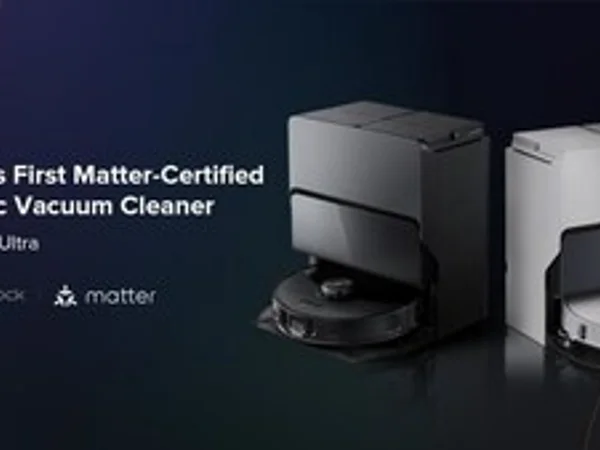
The Roborock S8 MaxV Ultra is the most complete robot vacuum system I have encountered. Its obstacle avoidance is genuinely impressive, reliably navigating around shoes, cables, and the kind of clutter that real homes actually have on their floors. The dual rubber brush system handles both hard floors and carpet without the hair tangles that plague most competitors, and the all-in-one dock handles self-emptying, mop washing, and water refilling.
What sets it apart is the consistency. After weeks of daily runs, it mapped every room precisely, adjusted suction based on floor type, and its mopping left hard floors noticeably cleaner than I expected from a robot. Read our full review for the detailed breakdown.
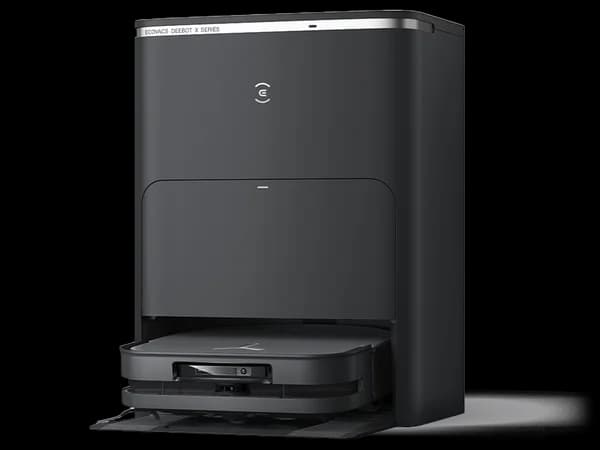
The Ecovacs Deebot X5 Pro Omni takes a different design approach with its D-shaped body, which gives it a genuine edge along walls and in corners where round robots leave debris behind. Its AIVI 3D obstacle recognition is on par with the Roborock for identifying and avoiding objects, and the OZMO Turbo 2.0 mopping system applies real downward pressure rather than just dragging a damp cloth around.
Where it edges slightly behind the Roborock is in long-term mapping reliability. Over our testing period, the X5 Pro occasionally needed a remap after furniture rearrangements, while the S8 MaxV Ultra adapted more gracefully. But for homes with lots of wall-to-wall rooms and corners, the D-shaped design advantage is real. See our full review for the complete analysis.
Both models sit in the premium tier, but for anyone spending 20+ minutes a day on floor maintenance, they pay for themselves in reclaimed time within a few months. Browse all of our tested options in the best robot vacuums category.
Cordless Stick Vacuums: Power Without the Cord
Even with a robot vacuum handling daily maintenance, you need a manual vacuum for stairs, upholstery, quick spot cleans, and the kind of messes that require a human eye. The cordless stick vacuum category has finally matured to the point where you do not need to sacrifice power for convenience.
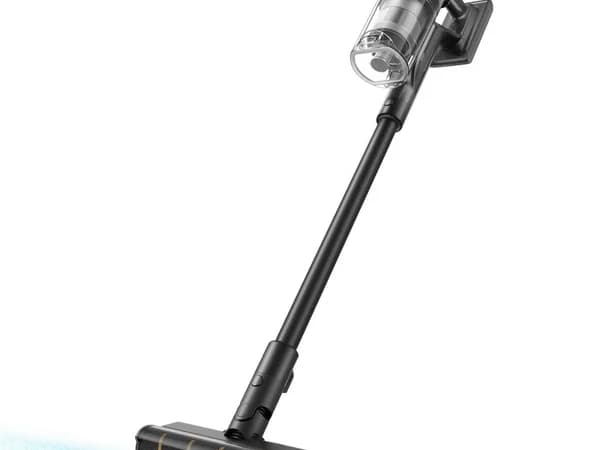
The Dreame Z30 is the cordless vacuum I keep recommending to friends, and the reason is straightforward: it has the suction power to handle deep carpet cleaning while remaining light enough to use one-handed on stairs. That combination has historically been an either/or trade-off, and the Z30 is one of the first models to genuinely nail both.
Battery life is the other standout metric. In standard mode, you get enough runtime to clean a full three-bedroom home without reaching for the charger, which eliminates the anxiety that plagued earlier cordless models. The LED display showing exact remaining runtime (in minutes, not just battery bars) is a small detail that makes a surprising difference in how you approach a cleaning session.
The one caveat: the dust bin is on the small side for its suction power, so homes with multiple pets may find themselves emptying it mid-clean. Read our full review for the complete performance data, and check out all of our picks in the cordless stick vacuums category.
Air Purifiers: Breathe Easier
Air purifiers are the home appliance category where I see the most confusion among buyers, largely because the benefits are invisible. You cannot see particulate matter or VOCs, so it is hard to judge whether a purifier is doing anything. The good news is that the latest generation of air purifiers includes real-time air quality monitoring with clear numerical feedback, which makes the value tangible.
If you live in an area with wildfire smoke, have allergies, own pets, or simply want cleaner air in a home with limited ventilation, a quality air purifier is one of the most impactful upgrades you can make.
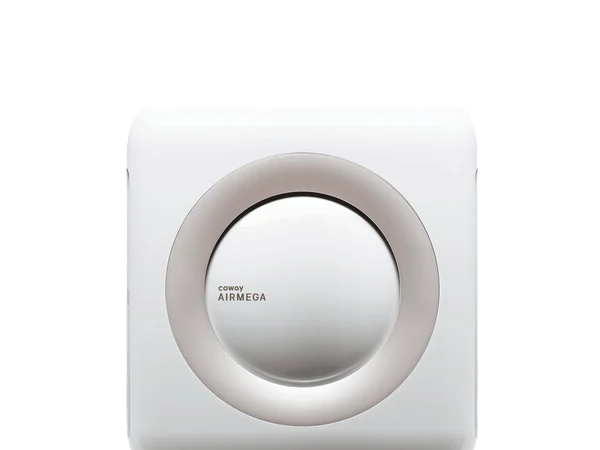
The Coway Airmega AP-1512HH has been a top performer for several product generations, and the current version continues that streak. Its four-stage filtration system (pre-filter, deodorization filter, True HEPA, and ionizer) handles everything from pet dander to cooking odors to fine particulate matter. The real-time air quality indicator gives you a color-coded reading that responds within minutes to changes in your environment, so you can actually see it working.
What I appreciate most about the Coway is how quiet it runs. In Eco mode, it is effectively silent, which matters enormously for bedroom use. It also has an auto-shutoff when air quality has been clean for 30 minutes, which keeps energy costs reasonable. For rooms up to 360 square feet, it is the air purifier I recommend without hesitation. See our full review.
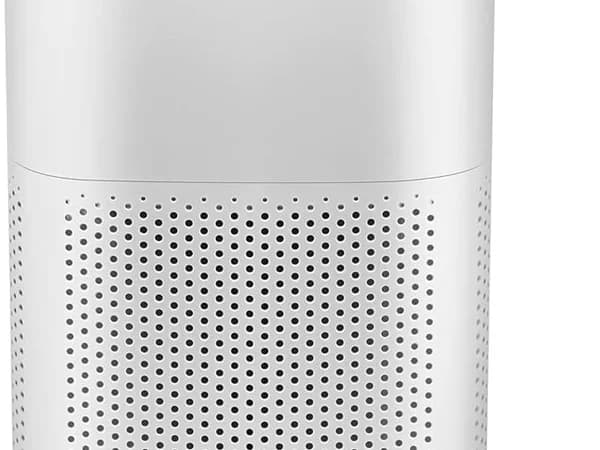
The Levoit Core 600S is the pick for larger spaces. Rated for rooms up to 635 square feet, it moves substantially more air than the Coway while keeping noise levels manageable. The VortexAir Technology creates a more efficient airflow pattern than older column-style purifiers, which means it can cycle the air in a large living room more quickly.
Smart features are well-implemented here. The VeSync app provides detailed air quality history, filter life tracking, and scheduling, and it integrates cleanly with Alexa and Google Home. The laser dust sensor is notably accurate, which matters if you are the type of person (like me) who wants data to confirm the purifier is earning its keep.
The trade-off versus the Coway is noise at higher fan speeds and slightly higher ongoing filter costs. But for open-concept living spaces or larger rooms, the coverage area alone makes it the better choice. Here is our full review, and you can explore all our tested models in the best air purifiers category.
Head-to-Head: Roborock S8 MaxV Ultra vs Ecovacs Deebot X5 Pro Omni
Since these two robot vacuums are the closest competitors at the top of the market, it is worth comparing them directly on the factors that actually matter day to day.
Navigation and obstacle avoidance: Both are excellent, but the Roborock has a slight edge. Its reactive AI adjusts more fluidly to new obstacles and room changes. The Ecovacs occasionally needs manual intervention after significant furniture rearrangements.
Mopping performance: The Ecovacs takes this one. Its oscillating mop pads with real downward pressure produce noticeably better results on stubborn stains. The Roborock's mopping is good, but the X5 Pro Omni treats mopping as a primary function rather than an add-on.
Edge and corner cleaning: Clear advantage to the Ecovacs. The D-shaped design gets physically closer to walls and into corners. Round robots leave a small arc of uncleaned space at every corner, and over time, that adds up.
Dock functionality: Effectively a tie. Both docks self-empty, wash mops, and refill water. The Roborock's dock is slightly more compact, which matters if you are tight on space.
App and ecosystem: The Roborock app is more polished and responsive. The Ecovacs app is functional but occasionally sluggish and has a more cluttered interface.
Bottom line: If mopping performance and edge cleaning are your priorities, the Ecovacs Deebot X5 Pro Omni is the better choice. For everything else, especially long-term mapping reliability and overall polish, the Roborock S8 MaxV Ultra edges ahead.
Budget vs Premium: Where to Spend and Where to Save
Not every category rewards premium spending equally. Here is where I think the money is well spent and where diminishing returns set in:
Worth the premium:
- Robot vacuums. The difference between a $300 robot vacuum and a $1,000 one is enormous. Navigation, suction, dock features, and long-term reliability all scale meaningfully with price. This is the category where buying cheap often means buying twice.
- Air purifier filters. Genuine replacement HEPA filters cost more than third-party alternatives but maintain certified filtration efficiency. Given that the entire point of an air purifier is filtration quality, this is not the place to economize.
Save without guilt:
- Cordless vacuum accessories. Most cordless vacuums come with more attachment heads than you will ever use. Buy the base unit and add specialty attachments only when you have a specific need.
- Smart home integrations. Voice-controlling your air purifier or setting your robot vacuum to a schedule sounds appealing, but most people set it once and forget it. Do not pay a premium for smart features if the core cleaning performance is not there first.
- Extended warranties on air purifiers. Air purifiers are mechanically simple. A fan, a filter, and a sensor. Failure rates are low, and the main ongoing cost is filter replacement, which warranties do not cover anyway.
The Bottom Line
The home appliance categories covered in this guide, robot vacuums, cordless stick vacuums, and air purifiers, represent some of the most meaningful quality-of-life upgrades you can make to a home in 2026. The technology in all three categories has reached a point where the products genuinely deliver on their promises rather than just making impressive claims.
If I had to prioritize a single upgrade, I would start with a robot vacuum. The daily time savings are immediate and compound over months. The Roborock S8 MaxV Ultra is the overall best option for most homes, while the Ecovacs Deebot X5 Pro Omni is the better pick if mopping and edge cleaning are priorities.
For air quality, the Coway Airmega AP-1512HH is the most reliable choice for standard-sized rooms, and the Levoit Core 600S scales better for larger spaces.
And if you are still dragging a corded vacuum around or fighting with a weak cordless model from three years ago, the Dreame Z30 is the upgrade that will make you wonder why you waited.
Frequently Asked Questions
Do I still need a regular vacuum if I have a robot vacuum?
Yes, but your usage pattern changes dramatically. A robot vacuum handles daily floor maintenance across flat surfaces, which is roughly 80% of the vacuuming most households do. You still need a manual vacuum (ideally a cordless stick model) for stairs, upholstery, above-floor surfaces, and quick spot cleans. The combination of a robot for daily runs and a cordless stick for everything else is the setup I recommend for most homes.
How often should I replace air purifier filters?
Most HEPA filters last six to twelve months depending on usage intensity and air quality conditions. The Coway and Levoit models both have filter life indicators that track actual usage rather than just counting days, which gives you a more accurate replacement timeline. Running your purifier 24/7 in an area with poor outdoor air quality will shorten filter life. Running it only during peak hours in a relatively clean environment extends it. Always use manufacturer-certified replacement filters to maintain rated filtration performance.
Are premium robot vacuums worth the price over budget models?
In most cases, yes, and this is one of the few appliance categories where I say that confidently. Budget robot vacuums (under $300) typically use older navigation methods that result in missed areas, poor obstacle avoidance, and shorter lifespans. Premium models like the Roborock S8 MaxV Ultra and Ecovacs Deebot X5 Pro Omni use LiDAR and AI-based navigation that methodically covers your entire floor plan, avoids obstacles intelligently, and lasts for years. The self-emptying docks alone eliminate one of the main friction points that cause people to stop using their robot vacuum. If you are going to invest in this category at all, investing well pays dividends in actual usage over time.
Can an air purifier help with pet allergies?
Absolutely. True HEPA filters capture particles as small as 0.3 microns, which includes pet dander, dust mites, and pollen. Both the Coway Airmega AP-1512HH and Levoit Core 600S have True HEPA filtration and performed well in our testing with pet-heavy households. For best results, place the purifier in the room where your pet spends the most time, run it continuously on auto mode, and vacuum regularly to reduce the overall particulate load. An air purifier works best as part of an overall approach to allergen management, not as a standalone solution.
You Might Also Like
Best Portable Power Stations in 2026
 James Mitchell
Best Mechanical Keyboards in 2026
 Marcus Rivera
Best Travel eSIMs 2026: A Complete Buyer's Guide
James Mitchell