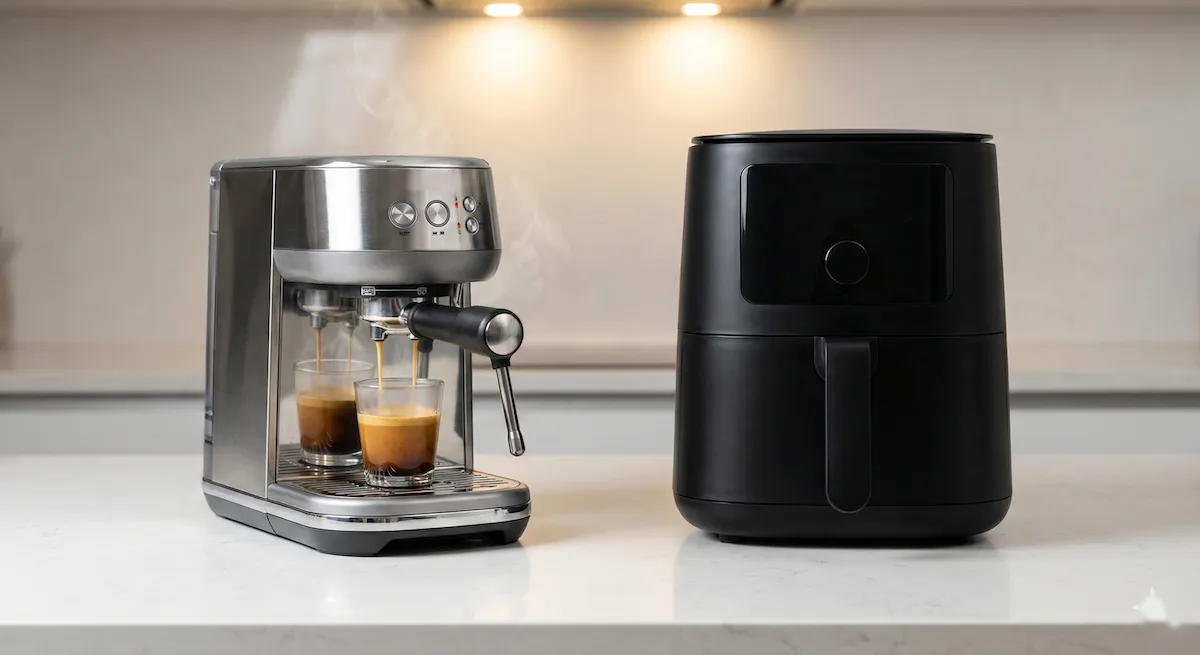
Best Espresso Machines & Air Fryers 2026: A Home Cook's Guide
The kitchen appliances that actually earn their counter space in 2026 — from espresso machines to air fryers.

The Counter Space Test
Every home cook knows the feeling. You unwrap a shiny new kitchen gadget, marvel at its promise, and then watch it migrate from countertop to cabinet to that dark corner above the fridge where ambition goes to die. I have been there more times than I care to admit.
That is why I approach every kitchen appliance with a single, ruthless question: would I actually use this every day? Not once a month when I remember it exists. Not when company comes over. Every day.
After months of testing espresso machines and air fryers in my own kitchen, making weekday breakfasts, throwing together quick dinners, hosting friends on weekends, I have narrowed down the appliances that genuinely earn their counter space in 2026. These are the gadgets that changed how I cook, not just what I cook.
What to Look For in Kitchen Appliances
Before spending a dime, run any prospective purchase through these filters:
- Daily usability. If the setup or cleanup takes longer than the cooking itself, it will collect dust. The best appliances integrate into your routine, not interrupt it.
- Footprint vs. function. Counter space is the most valuable real estate in any kitchen. A gadget needs to justify every square inch it occupies. Multi-function appliances have a natural advantage here.
- Build quality you can feel. Heavy-gauge stainless steel, solid latches, responsive controls, these details separate appliances you keep for a decade from ones you replace in two years.
- Learning curve. Some complexity is worth it (espresso machines reward technique). But a steep learning curve on something that should be simple, like an air fryer with 47 preset buttons and no intuitive override, is a dealbreaker.
- Noise and heat. Your kitchen is also your living space. An appliance that sounds like a jet engine or radiates enough heat to warm the next room will get used less than you think.
With those principles in mind, let us get into the picks.
Best Espresso Machines for Home Cooks
A great home espresso machine does not just save you money on cafe visits, it transforms your morning ritual. I went from rushing out the door to actually looking forward to those quiet ten minutes before the day starts. Here are the three machines that stood out across months of daily use.
Best Overall
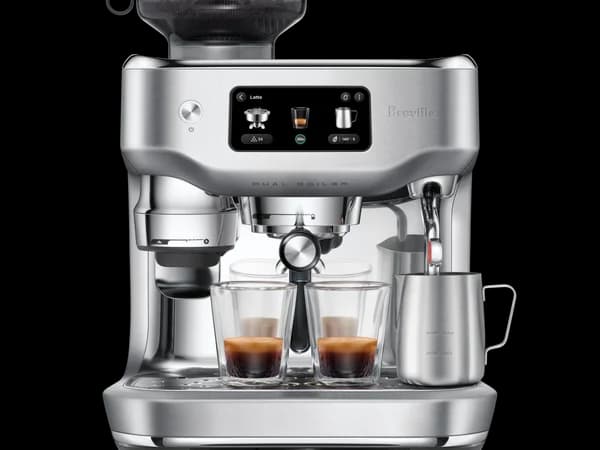
The Breville Oracle Dual Boiler is the machine I recommend to anyone who wants cafe-quality espresso without enrolling in barista school. Its Auto Dial-In technology genuinely learns from each shot, adjusting grind size and dose automatically until extraction hits the sweet spot. After about a week of daily use, my shots were remarkably consistent without any manual tweaking.
The built-in Baratza burr grinder is a legitimate strength, not the afterthought you get with most all-in-one machines. The 5.7-inch touchscreen makes drink selection intuitive, and the Auto MilQ steam wand produces silky microfoam for lattes and cappuccinos with almost no technique required. For households where multiple people drink different styles, my partner prefers flat whites while I lean toward straight espresso, the user profiles are a genuine time-saver.
The trade-off is complexity. More electronics means more potential failure points down the line, and at this price, you are investing in a machine you want to last. But for the sheer breadth of what it does well, the Oracle is the best overall espresso machine I have tested. Read our full review for detailed performance data.
Best for Purists
The Gaggia Classic GT is for the home cook who treats espresso like a craft, not a chore. If the idea of manually dialing in your grind, perfecting your tamping pressure, and learning to read extraction by sight sounds appealing rather than exhausting, this is your machine.
Its dual PID-controlled boilers and commercial 58mm group head come straight from Italian cafe heritage. The build quality is immediately apparent, this thing feels like it belongs in a restaurant, not on a home counter. The lead-free brass brew boiler and stainless steel steam boiler are designed to last decades, not years.
You will need a separate grinder (budget $400 to $600 for something worthy of this machine), and the learning curve is real. My first week of shots ranged from sour to bitter before I found the groove. But once you do, the ceiling on what the Classic GT can produce is extraordinary. The sophisticated pre-infusion system extracts flavors I simply was not getting from automated machines. For more on how it compares to the Oracle, see our head-to-head comparison.
Best Automatic
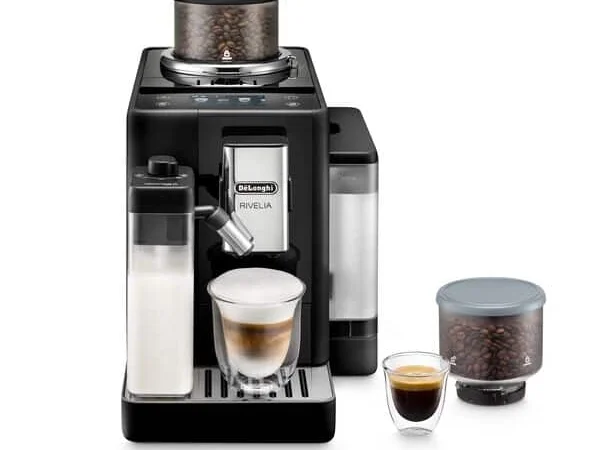
The De'Longhi Rivelia is what I reach for on chaotic weekday mornings when I need excellent coffee with zero effort. Bean to cup in under two minutes, minimal cleanup, and surprisingly good extraction for a fully automatic machine.
What sets the Rivelia apart from other super-automatics is its compact footprint and the genuinely useful LatteCrema system, which produces thick, velvety microfoam that most automatic machines cannot match. The swappable bean hopper is a clever touch if your household alternates between blends, I keep a decaf loaded for evening espresso.
It will not match the Oracle or the Gaggia for pure shot quality. No fully automatic machine will. But the Rivelia makes the strongest case I have seen for "good enough, every single day." And in a busy kitchen, consistency and speed often matter more than chasing the perfect God shot. Browse the full best espresso machines roundup for all our tested picks.
Best Air Fryers for Home Cooks
Air fryers have moved past the novelty phase. They are legitimate cooking tools now, and the best ones have earned permanent counter space in my kitchen. Here are the two that stood out.
Best Air Fryer
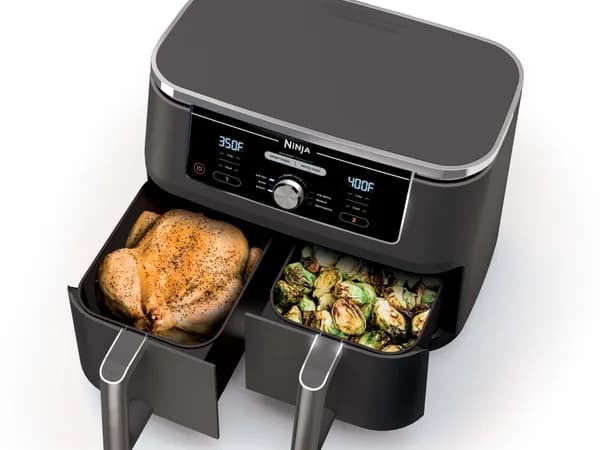
The Ninja Foodi DualZone XL solved a problem I did not realize I had: cooking two things at different temperatures and having them finish at the same time. The dual-basket design with Smart Finish technology means I can throw chicken thighs in one basket and roasted vegetables in the other, set different temps, and everything comes out done simultaneously.
This feature alone transformed my weeknight cooking. Instead of sequencing multiple batches or juggling the oven and stovetop, I load both baskets and walk away. The XL capacity handles enough food for four people comfortably, which makes it a genuine alternative to heating up a full-size oven for everyday meals.
Crisping performance is excellent, chicken skin gets properly crackling, Brussels sprouts caramelize beautifully, and frozen foods come out dramatically better than from a conventional oven. The baskets are dishwasher-safe, which removes the cleanup friction that kills daily usage with so many appliances. Check out our full review for cooking test results.
Best for Families
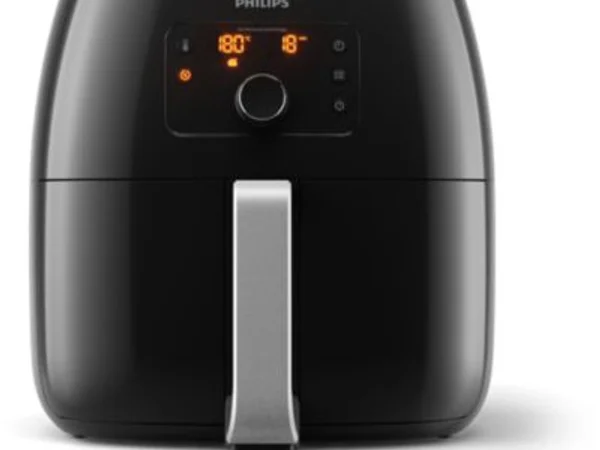
The Philips Premium Airfryer XXL earns its spot through sheer capacity and Philips' fat-removal technology, which channels excess grease away from food during cooking. For families, this combination of volume and healthier output is hard to beat.
The XXL basket handles a whole chicken or enough fries for a family of five without crowding. Crowding is the silent killer of air fryer results, when food overlaps, you get steaming instead of crisping. The Philips basket geometry and rapid air circulation minimize this problem even at full loads.
I was skeptical of the fat-removal claim until I saw (and emptied) the grease drawer after cooking chicken wings. The difference in texture is noticeable: crispier exterior, less greasy mouthfeel, and wings that stay crispy for longer instead of going soggy as they cool. For families cooking larger batches regularly, the XXL is the air fryer I recommend. See all our picks on the best air fryers category page.
Head-to-Head: Breville Oracle vs Gaggia Classic GT
This is the most common question I get from readers considering a serious espresso investment, and the answer depends entirely on what you value in your morning routine.
Choose the Breville Oracle Dual Boiler if:
- You want excellent espresso with minimal learning curve
- Multiple people in your household drink different styles
- You value smart features and app connectivity
- Time is more precious than technique
Choose the Gaggia Classic GT if:
- Making espresso is a ritual you enjoy, not a task you optimize
- You want a machine that will outlast your kitchen remodel
- You already own (or want to invest in) a quality grinder
- Long-term value and repairability matter to you
The Oracle costs more upfront at roughly $3,000, but includes everything. The Gaggia runs about $1,700 for the machine, but factor in $400 to $600 for a proper grinder and you are looking at $2,100 to $2,300 total. The Oracle delivers better results faster. The Gaggia delivers equal or better results eventually, and will likely still be running when the Oracle has been retired. Read the detailed comparison for a full breakdown across every category.
Budget vs Premium: When to Splurge in the Kitchen
After years of testing kitchen appliances across every price range, here is my honest framework for deciding when to spend more:
Splurge on appliances you use daily. If you drink espresso every morning, the difference between a $300 machine and a $1,700 machine is transformative and you amortize the cost across thousands of uses. A $3,000 espresso machine used daily for five years costs less than $2 per day, cheaper than a single cafe latte.
Save on appliances you use weekly or less. That bread maker you will use on rainy Sundays? The pasta extruder for special occasions? Buy mid-range and upgrade later if the habit sticks.
Never cheap out on heating elements and motors. These are the components that fail first in budget appliances. A cheap air fryer with a weak heating element will never crisp properly no matter what temperature you set. A cheap espresso machine with an aluminum boiler and thermoblock will produce inconsistent temperatures shot after shot.
Consider total cost of ownership. The Gaggia Classic GT costs less than the Breville Oracle upfront, but requires a separate grinder investment. Some air fryers have proprietary accessories that inflate long-term costs. Factor in replacement parts, filters, and accessories before comparing sticker prices.
The Bottom Line
The kitchen appliances worth keeping on your counter in 2026 share common DNA: they do one or two things exceptionally well, they integrate into daily routines without friction, and they are built to last beyond their warranty period.
For espresso, the Breville Oracle Dual Boiler is the best all-around choice for most home cooks, while the Gaggia Classic GT rewards those willing to invest in technique. The De'Longhi Rivelia strikes the best balance between quality and convenience for busy kitchens.
For air frying, the Ninja Foodi DualZone XL is the most versatile option with its dual-basket design, and the Philips Premium Airfryer XXL is the capacity king for families.
Every one of these has earned permanent counter space in my kitchen. That is the highest compliment I can give.
Frequently Asked Questions
Are expensive espresso machines worth it for home use?
Yes, if you drink espresso daily. The math works out in your favor quickly, a $3,000 machine used once a day for five years costs under $2 per use, while a daily cafe habit easily exceeds $5 to $7. Beyond cost, the quality gap between a $300 machine and a $1,700-plus machine is enormous. Budget machines cannot maintain stable brew temperature, produce sufficient pressure, or steam milk properly. Once you experience properly extracted espresso at home, going back feels impossible.
Can an air fryer actually replace my oven?
For most weeknight cooking, yes. I use my air fryer for 70 to 80 percent of meals that would previously have gone into the oven, roasted vegetables, chicken, fish, reheating leftovers, even baking small batches. The air fryer heats faster, crisps better on small to medium portions, and does not heat up the kitchen. Where it falls short is large-format cooking (a full sheet pan of cookies, a large roast, anything requiring multiple racks). Think of it as your primary cooking tool with the oven as backup for large jobs.
How long do these kitchen appliances typically last?
Build quality varies dramatically by brand and price point. The Gaggia Classic GT, with its commercial-grade components, can realistically last 15 to 20 years with basic descaling maintenance. The Breville Oracle, being more electronically complex, typically lasts 7 to 10 years. Quality air fryers from Ninja and Philips generally last 3 to 5 years with daily use, though heating elements and non-stick coatings are usually the first components to degrade. Investing in better build quality upfront almost always saves money over a five-year horizon.
What is the single best kitchen gadget to buy first?
If I could only recommend one appliance to a home cook building out their kitchen, it would be a quality air fryer, specifically the Ninja Foodi DualZone XL. It has the broadest daily utility, the lowest learning curve, and the most dramatic improvement over the conventional alternative (oven). An espresso machine is a more personal and rewarding investment, but it serves a single purpose. An air fryer touches breakfast, lunch, dinner, and snacks. Start there and add an espresso machine when the budget allows.
You Might Also Like
Best Portable Power Stations in 2026
 James Mitchell
Best Mechanical Keyboards in 2026
 Marcus Rivera
Best Travel eSIMs 2026: A Complete Buyer's Guide
James Mitchell