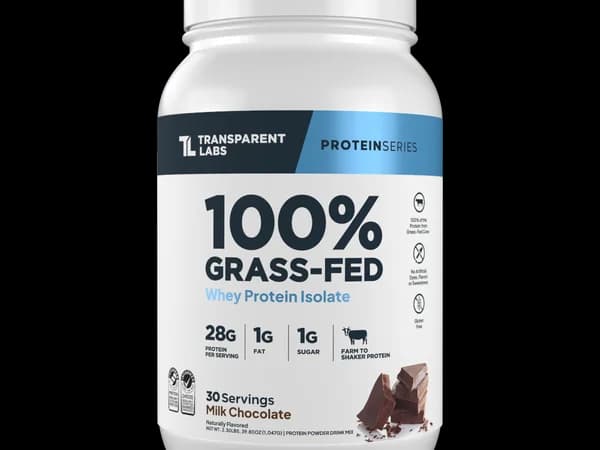
Transparent Labs 100% Grass-Fed Whey Protein Isolate
Ingredient-conscious consumers who want full label transparency with grass-fed whey isolate
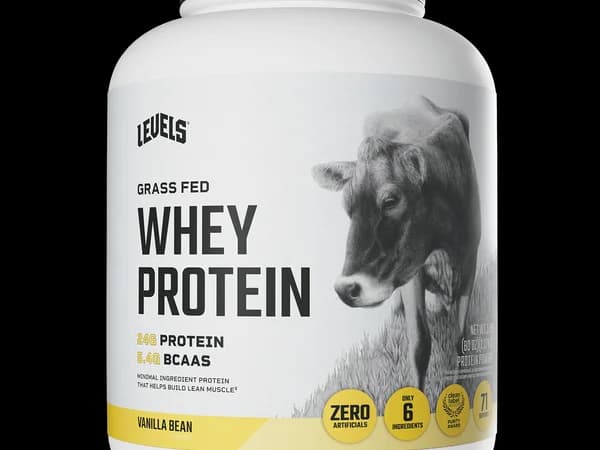
Levels Grass-Fed 100% Whey Protein
Budget-conscious consumers who want affordable grass-fed whey without fillers

Score Comparison
Pricing & Features
Making Your Decision

When to Choose Transparent Labs 100% Grass-Fed Whey Protein Isolate
Ingredient-conscious consumers who want full label transparency with grass-fed whey isolate
Transparent Labs lives up to its name with full-disclosure labeling and zero proprietary blends. The grass-fed whey isolate delivers 28g protein per serving with clean ingredients. While it lacks NSF certification, the published independent lab results provide strong purity assurance.
Strengths
- Fully transparent label with every ingredient amount disclosed — no proprietary blends
- Grass-fed whey isolate with 28g protein per serving and no artificial additives
- Independently tested with published lab results for purity verification
Limitations
- Not NSF Certified for Sport — uses independent lab testing instead
- At $2.00/serving, positioned above many budget alternatives
- Only available direct-to-consumer and Amazon — no retail store presence

When to Choose Levels Grass-Fed 100% Whey Protein
Budget-conscious consumers who want affordable grass-fed whey without fillers
Levels offers solid grass-fed whey at competitive prices with clean ingredients. The lack of major certifications keeps it from premium territory, but third-party lab testing and honest ingredient lists make it a reliable budget option for those who want grass-fed quality without the premium price.
Strengths
- Grass-fed, hormone-free whey with no artificial ingredients or fillers
- Good value with multiple size options from 1lb to 5lb
- Third-party tested by independent labs with results available on request
Limitations
- No major third-party certification (no NSF, Informed Sport, or Labdoor rating)
- Smaller brand with less established quality track record
- Uses whey concentrate rather than isolate — lower protein percentage