
Levels Grass-Fed 100% Whey Protein Review
Levels offers solid grass-fed whey at competitive prices with clean ingredients. The lack of major certifications keeps it from premium territory, but third-party lab testing and honest ingredient lists make it a reliable budget option for those who want grass-fed quality without the premium price.

Levels Grass-Fed 100% Whey Protein Review
Levels offers solid grass-fed whey at competitive prices with clean ingredients. The lack of major certifications keeps it from premium territory, but third-party lab testing and honest ingredient lists make it a reliable budget option for those who want grass-fed quality without the premium price.
Levels Grass-Fed 100% Whey Protein Review
Levels offers solid grass-fed whey at competitive prices with clean ingredients. The lack of major certifications keeps it from premium territory, but third-party lab testing and honest ingredient lists make it a reliable budget option for those who want grass-fed quality without the premium price.

Levels Grass-Fed 100% Whey Protein Pros & Cons
Pros
- Grass-fed, hormone-free whey with no artificial ingredients or fillers
- Good value with multiple size options from 1lb to 5lb
- Third-party tested by independent labs with results available on request
Cons
- No major third-party certification (no NSF, Informed Sport, or Labdoor rating)
- Smaller brand with less established quality track record
- Uses whey concentrate rather than isolate — lower protein percentage
Overview
Levels Grass-Fed 100% Whey Protein represents a specific bet in the protein powder market: that a growing number of consumers care about ingredient sourcing and clean labels but are not willing to pay the $2.50+ per serving that premium brands charge for those attributes. Levels delivers grass-fed, hormone-free whey protein with no artificial ingredients, no fillers, and a short ingredient list — at a price point that competes with mass-market proteins that make none of those claims.
The trade-off for that value is the absence of major third-party certifications. Levels does not carry NSF Certified for Sport, Informed Sport, Informed Choice, or a Labdoor ranking. The company states that its products are third-party tested by independent labs and that results are available on request, but "available on request" is not the same as proactive public disclosure or an independent certification body putting its reputation behind the product. For drug-tested athletes, this gap is disqualifying. For everyday consumers who care about sourcing and clean ingredients but are not competing in sanctioned sports, Levels offers a compelling middle ground that did not really exist a few years ago.
The brand has grown rapidly as a direct-to-consumer product on Amazon, building a loyal following through straightforward marketing and overwhelmingly positive user reviews. It uses whey protein concentrate rather than isolate, which means slightly lower protein percentage per scoop, more fat and lactose, and potentially more digestive discomfort for dairy-sensitive individuals. But whey concentrate also retains more of the naturally occurring growth factors, immunoglobulins, and other bioactive compounds that are stripped during the isolation process — a point that Levels and its advocates emphasize. Whether those bioactives make a practical difference in your training outcomes is debatable, but the philosophical commitment to less processing is consistent with the brand's overall identity.
Features Deep-Dive
Grass-Fed Sourcing: Marketing Claim or Meaningful Distinction?
"Grass-fed" has become a major selling point in the protein powder market, but what does it actually mean for whey protein, and should you care? Grass-fed whey comes from cows that eat primarily grass and forage rather than grain-based feeds. Proponents argue that grass-fed dairy has a more favorable fatty acid profile — higher in omega-3s, conjugated linoleic acid (CLA), and fat-soluble vitamins compared to conventional grain-fed dairy. These differences are well-documented in whole milk and butter. However, whey protein is processed to concentrate the protein fraction, which means much of the fat (where those favorable fatty acids reside) is reduced during manufacturing. The nutritional advantage of grass-fed sourcing is more relevant in whey concentrate (which retains more fat) than in whey isolate (which strips nearly all fat). Since Levels uses concentrate, the grass-fed sourcing argument has more merit here than it would for a grass-fed isolate product. Beyond nutrition, grass-fed sourcing also reflects animal welfare and environmental sustainability values — cows on pasture generally have better quality of life than those in confined feeding operations. Levels specifies that its whey is hormone-free (no rBGH/rBST), which aligns with EU dairy standards but is worth calling out since it is not legally required in the United States.
Clean Label Philosophy: What Is and Is Not in the Tub
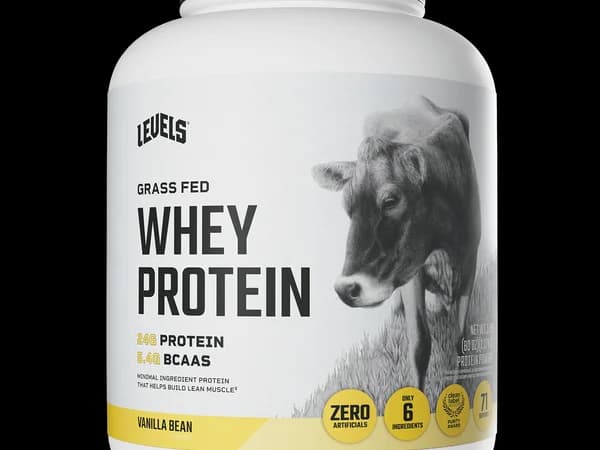
Levels takes a minimalist approach to its ingredient list while offering one of the most extensive flavor lineups in the clean protein space. With nine options — Unflavored, Vanilla Bean, Vanilla Cinnamon, Pure Chocolate, Double Chocolate, Chocolate Peanut Butter, Chocolate Mocha, Strawberry, and Cappuccino — you're unlikely to hit flavor fatigue. Each flavored version keeps ingredients short: grass-fed whey protein concentrate, cocoa powder or natural flavors as appropriate, sunflower lecithin, monk fruit extract, stevia extract, and sea salt. No acesulfame potassium, no sucralose, no artificial colors, no soy lecithin, no "proprietary blends." For consumers who read ingredient labels — and the market data suggests that number is growing rapidly — this combination of variety and simplicity is the product's primary appeal. The use of sunflower lecithin instead of soy lecithin avoids soy allergen concerns and appeals to consumers following anti-inflammatory or elimination diets. Monk fruit and stevia together provide sweetness without the aftertaste that either can produce alone, though some users report that Levels products are less sweet than mainstream competitors.
Whey Concentrate: The Less Processed Choice
Levels uses whey protein concentrate rather than whey protein isolate, and this is a deliberate formulation decision, not a cost-cutting shortcut (though concentrate is indeed cheaper to produce). Whey concentrate typically contains 70-80% protein by weight, compared to 90%+ for isolate. The remaining 20-30% is fat, lactose, minerals, and bioactive compounds including lactoferrin, immunoglobulins, and beta-lactoglobulin. Advocates of whey concentrate argue that these bioactive compounds support immune function and gut health in ways that the stripped-down isolate does not. The research here is early-stage and mostly based on in-vitro or animal studies, so the practical human health implications remain uncertain. The real-world downside of concentrate is higher lactose content, which can cause bloating, gas, and digestive discomfort in lactose-intolerant individuals. If you know you handle dairy well, concentrate is a perfectly fine protein source. If dairy gives you any digestive trouble, you are better served by a whey isolate or a plant-based alternative. Levels does offer a whey isolate version for those who need it, though the grass-fed concentrate is the brand's core product.
Direct-to-Consumer Model and the Trust Question
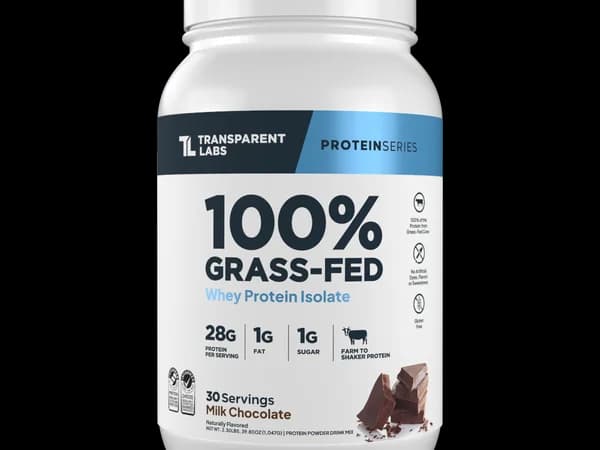
Levels has built its brand primarily through Amazon and direct online sales, bypassing the traditional supplement retail channel of GNC, Vitamin Shoppe, and specialty stores. This model keeps costs low and allows Levels to offer grass-fed whey at price points that undercut competitors with similar sourcing claims. The flip side is that Levels lacks the institutional validation that comes with major retail distribution partnerships, long operating histories, or major third-party certifications. The brand is relatively young compared to established players, and its quality track record is measured in years rather than decades. Levels states that its products undergo third-party lab testing and that COAs are available on request, which is a reasonable baseline. But requesting test results introduces friction, and many consumers will never actually follow through. Brands that proactively publish test results on their website — like Transparent Labs — set a higher transparency bar. For Levels, the extensive base of Amazon reviews (overwhelmingly positive) and strong repeat purchase rates serve as informal quality signals, but they are not a substitute for independent certification.
Pricing Analysis
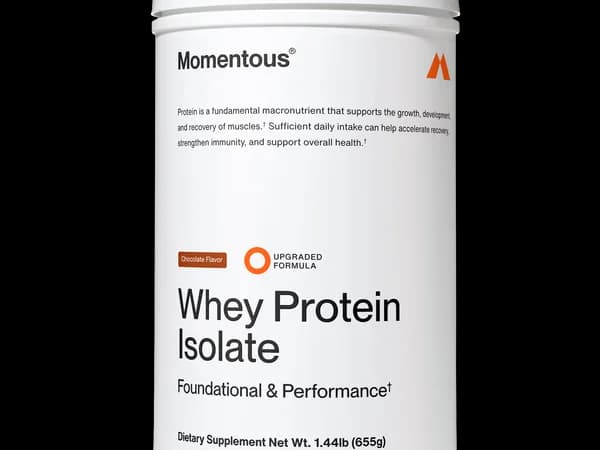
Levels Grass-Fed Whey Protein offers multiple size options ranging from 1lb to 5lb tubs, with per-serving costs varying accordingly. The sweet spot is the 5lb tub, which typically brings the per-serving cost to the $1.40-1.60 range — competitive with Optimum Nutrition Gold Standard Whey and significantly below premium grass-fed competitors like Momentous ($2.50+) or Transparent Labs ($1.80-2.00). The smaller 1lb and 2lb options run higher per serving but provide a lower-commitment entry point for first-time buyers who want to test the flavor and digestibility before committing to a larger purchase. Compared to other grass-fed whey proteins specifically, Levels offers strong value. Most grass-fed whey products position themselves as premium and price accordingly, charging $2.00-3.00 per serving. Levels essentially offers grass-fed sourcing at near-conventional-whey prices, which is its core competitive advantage. The absence of major third-party certification means you are not paying a certification premium, which is a double-edged consideration — you save money but you also forgo the independent validation that certification provides.
Who Is This For?
Levels Grass-Fed 100% Whey Protein works best for:
- Ingredient-conscious consumers on a budget who want grass-fed, hormone-free whey with a clean ingredient list but cannot justify the $2.50+ per serving that premium clean-label brands charge. Levels delivers the sourcing and formulation quality you would expect at twice the price, making it the best value in the grass-fed whey segment.
- Amazon-centric supplement buyers who prefer the convenience of Subscribe & Save delivery, user reviews as a quality signal, and easy returns if a product does not meet expectations. Levels has optimized its entire business around the Amazon purchase experience, and the buying process is frictionless. The multiple size options let you test with a small tub before committing to bulk.
- Health-minded individuals who prefer whole food-style supplements and believe that minimally processed whey concentrate (retaining natural bioactive compounds) is preferable to heavily processed isolate. If you tolerate dairy well and value the philosophical alignment of grass-fed, pasture-raised sourcing with your broader dietary approach, Levels fits that worldview at a practical price.
Who Should NOT Use This
Levels Grass-Fed 100% Whey Protein might not be the right choice if:
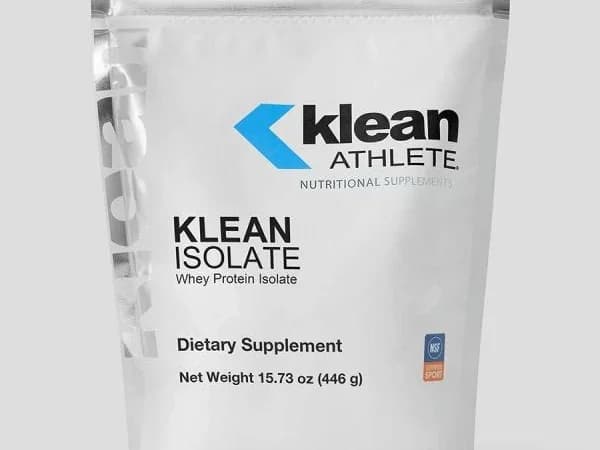
- You are a drug-tested competitive athlete: Levels does not carry NSF Certified for Sport, Informed Sport, or Informed Choice certification. For athletes subject to WADA, NCAA, or professional league drug testing, using an uncertified protein powder introduces unnecessary risk. Consider Momentous Essential Whey Isolate, Klean Athlete, or Ascent Native Fuel Whey — all of which carry NSF Certified for Sport or Informed Sport certification.
- You are lactose intolerant or dairy-sensitive: Levels' whey concentrate format retains more lactose than whey isolate products. If you experience bloating, gas, or digestive discomfort from dairy, you will likely have issues with this product. A whey protein isolate (such as Transparent Labs or Dymatize ISO100) or a plant-based protein would be a better choice. Levels does offer an isolate version, but the grass-fed concentrate is the flagship and most cost-effective option.
- You require proactive third-party transparency: If seeing published lab results and COAs before purchasing is important to your decision-making process, Levels' "available on request" approach may not meet your transparency standard. Brands like Transparent Labs publish test results directly on their website, and NSF or Informed Sport-certified products offer independent validation that does not require you to email a company and hope for a response.
Bottom Line
Levels Grass-Fed 100% Whey Protein fills a genuine gap in the market: clean-label, grass-fed whey at a price that does not require a premium budget. The absence of major third-party certifications is a real limitation, not just a nice-to-have gap, and it rules the product out for tested athletes. But for the growing segment of consumers who care about what is in their protein powder and where it comes from — without wanting to pay a 50-100% premium for those values — Levels is the most practical option available.
FAQ
Is grass-fed whey protein actually better than regular whey?
The honest answer is: it depends on what you mean by "better." Grass-fed whey has a modestly superior fatty acid profile (more omega-3s, more CLA) compared to conventional whey, but since most of the fat is reduced during processing, the practical nutritional difference in a whey protein powder is small. The more meaningful distinction is in sourcing ethics and animal welfare — grass-fed and pasture-raised cows generally live in better conditions than those in confined feeding operations. If those values matter to you, grass-fed whey is worth the modest price premium. If you are purely optimizing for protein per dollar and do not have strong feelings about dairy sourcing, conventional whey from a reputable brand will build muscle just as effectively.
Why does Levels not have NSF or Informed Sport certification?
Third-party certifications like NSF Certified for Sport and Informed Sport involve significant costs — both the initial certification process and ongoing batch testing fees. For a smaller, direct-to-consumer brand like Levels, these costs would likely need to be passed on to consumers through higher prices, which would undermine the brand's core value proposition of grass-fed whey at accessible prices. Levels instead relies on independent lab testing with results available on request, which provides some quality assurance without the certification overhead. Whether this trade-off is acceptable depends on your personal needs — for casual fitness enthusiasts, independent lab testing is likely sufficient; for competitive athletes, the absence of recognized certification is a meaningful gap.
Does Levels Whey Protein cause bloating or digestive issues?
Levels uses whey protein concentrate, which retains more lactose than whey protein isolate. If you are lactose intolerant or have dairy sensitivity, whey concentrate products are more likely to cause bloating, gas, and digestive discomfort. If you tolerate dairy foods like yogurt and cheese without issues, you will likely tolerate Levels without problems. For dairy-sensitive individuals, Levels does offer a whey isolate version that contains significantly less lactose. Alternatively, consider a plant-based protein or a whey isolate from another brand if digestive comfort is a priority.
How does Levels compare to Naked Whey?
Both Levels and Naked Whey target the clean-label, minimalist-ingredient segment. Naked Whey's unflavored version famously has just one ingredient: grass-fed whey protein concentrate. Levels has a similarly short ingredient list but includes flavoring (natural flavors, cocoa powder, monk fruit). In terms of sourcing, both use grass-fed whey and neither carries major third-party certifications. Levels tends to be slightly cheaper per serving and offers more flavor variety, while Naked Whey appeals to absolute purists who want zero flavoring or sweetening agents. Taste-wise, Levels' flavored options are more palatable for daily use, while Naked Whey's unflavored version works best in smoothies where other ingredients provide the flavor.
Who Is Levels Grass-Fed 100% Whey Protein Best For?
Budget-conscious consumers who want affordable grass-fed whey without fillers
The Bottom Line
Levels offers solid grass-fed whey at competitive prices with clean ingredients. The lack of major certifications keeps it from premium territory, but third-party lab testing and honest ingredient lists make it a reliable budget option for those who want grass-fed quality without the premium price.
Try Levels Grass-Fed 100% Whey Protein TodayKey Specs
Scoring Breakdown
Certification level (NSF Certified for Sport, Informed Sport/Choice, Clean Label Project, Labdoor) and testing rigor
Heavy metal screening results (Consumer Reports data, Clean Label Project Purity Award, published batch COAs), lead/cadmium/arsenic levels
Minimal ingredient count, no artificial sweeteners/colors/fillers, natural flavoring, clean label practices
Protein grams per dollar — calculated from price per serving and protein per serving to identify best value
Protein per serving, amino acid profile, BCAA content, protein source quality (isolate vs concentrate, grass-fed, organic)
Flavor quality, texture, dissolving ease based on aggregated expert reviews and user ratings
Published COAs, ingredient sourcing disclosure, supply chain traceability, formula change communication