
GoMacro MacroBar Peanut Butter Chocolate Chip Review
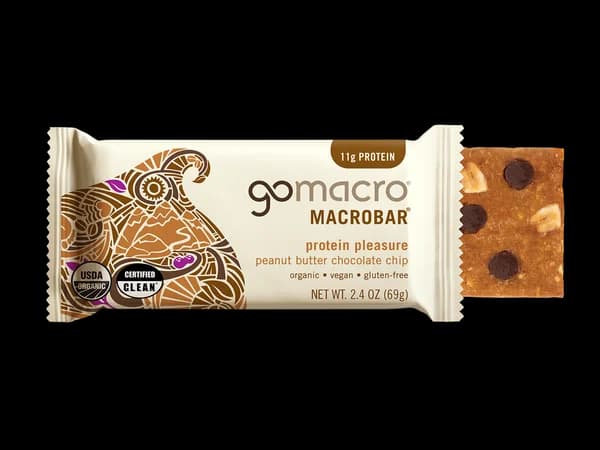
GoMacro is the gold standard for ingredient purity in the protein bar space. USDA Organic, C.L.E.A.N. certified, and made entirely from whole food ingredients. The trade-off is modest protein (11g) and higher sugar from organic sources. If ingredient quality matters more than macros, this is the bar to beat.

GoMacro MacroBar Peanut Butter Chocolate Chip Review
GoMacro is the gold standard for ingredient purity in the protein bar space. USDA Organic, C.L.E.A.N. certified, and made entirely from whole food ingredients. The trade-off is modest protein (11g) and higher sugar from organic sources. If ingredient quality matters more than macros, this is the bar to beat.
GoMacro MacroBar Peanut Butter Chocolate Chip Review
GoMacro is the gold standard for ingredient purity in the protein bar space. USDA Organic, C.L.E.A.N. certified, and made entirely from whole food ingredients. The trade-off is modest protein (11g) and higher sugar from organic sources. If ingredient quality matters more than macros, this is the bar to beat.

GoMacro MacroBar Peanut Butter Chocolate Chip Pros & Cons
Pros
- USDA Organic and C.L.E.A.N. certified with all whole food ingredients
- Zero artificial sweeteners, sugar alcohols, or preservatives of any kind
- Organic peanut butter and brown rice protein from traceable sources
Cons
- Only 11g protein per bar — among the lowest in this comparison
- Higher sugar content (~10g) compared to low-sugar competitors
- Premium price at ~$3.21/bar makes it one of the most expensive options
Overview
The GoMacro MacroBar sets a standard that most protein bars cannot touch when it comes to ingredient integrity. Holding both USDA Organic and C.L.E.A.N. certifications, this bar reads like a recipe you might find in a health-conscious kitchen rather than a factory production line. Every ingredient is traceable, organic, and recognizable -- organic peanut butter, organic brown rice syrup, organic puffed brown rice, organic chocolate chips. No stevia, no erythritol, no "natural flavors" hiding behind vague labels.
The trade-off is real, though. At 11g of protein per bar, this is one of the lowest protein counts in our comparison. And with roughly 10g of sugar (from organic sources like brown rice syrup and cane sugar), it sits higher on the glycemic spectrum than competitors using monk fruit or stevia. For the organic purist who reads every ingredient panel and refuses to compromise on sourcing, the GoMacro is unmatched. For the macro-counter chasing a 20g+ protein target, this bar will leave you reaching for a second serving or a supplemental shake. That tension between purity and performance defines everything about this product.
Features Deep-Dive
Ingredient Purity and Certifications
GoMacro does not just claim clean ingredients -- it backs them up with two of the most demanding certifications in the food industry. The USDA Organic seal means every ingredient meets federal organic standards, from the peanut butter to the chocolate chips. The C.L.E.A.N. certification goes further, requiring that products be free from common allergens, low in glycemic impact, ethically sourced, and nutritionally dense. Very few protein bars carry both seals simultaneously. The ingredient list is refreshingly short: organic peanut butter, organic brown rice syrup, organic plant-based protein blend, organic puffed brown rice, organic chocolate chips, organic sunflower oil, and sea salt. Compare that to competitors with 20+ ingredient lists full of soy lecithin, maltodextrin, and sugar alcohols, and the difference is stark. For anyone who has struggled with digestive issues from erythritol or sucralose, this simplicity is a genuine relief.
Protein Source and Macro Profile
The protein comes from organic brown rice protein, which is a complete protein source but with lower bioavailability than whey or egg white (roughly 60-70% absorption versus whey's 90%+). At 11g per bar, you are effectively absorbing around 7-8g of usable protein -- enough for a snack but insufficient as a post-workout recovery tool on its own. The macro breakdown skews toward carbohydrates, with about 28g of carbs (10g sugar) and 11g of fat per bar. This profile makes the MacroBar function more like an energy bar with protein benefits than a true protein bar. That is not necessarily a knock -- it just means understanding what you are buying. If you pair this with a protein shake or eat it alongside a protein-rich meal, the ingredient quality becomes the real value proposition rather than the protein content itself.
Taste and Texture Experience
Where many "clean" bars taste like compressed cardboard with a vitamin aftertaste, the MacroBar genuinely delivers on flavor. The organic peanut butter provides a rich, slightly roasted taste that does not feel synthetic. The chocolate chips add real chocolate flavor rather than the waxy coating found in cheaper bars. Texture-wise, it lands between chewy and crunchy thanks to the puffed brown rice, which gives it a satisfying bite without the tooth-sticking density of many competitors. It does not try to mimic a candy bar -- it tastes like a wholesome snack, which is exactly what it is. The bar stays soft at room temperature and does not develop the hard, brittle texture that plagues some plant-based bars after sitting in a bag for a few days. This consistency matters when you are tossing bars into a backpack or gym bag.
Pricing Analysis
At roughly $3.25 per bar ($39 for a box of 12), GoMacro sits at the premium end of the protein bar market. For context, you can get a box of Kirkland protein bars for under $1.50 per bar with double the protein. But that comparison misses the point entirely. GoMacro competes against other certified organic bars, where pricing is more aligned -- ALOHA runs about $2.92 per bar, and Primal Kitchen about $3.00. The premium over those competitors comes down to the dual USDA Organic and C.L.E.A.N. certifications, which are genuinely expensive for manufacturers to maintain. Subscription pricing through GoMacro's website can bring the per-bar cost down to around $2.75-$2.90, which narrows the gap considerably. If you are already spending $5-7 daily at a juice bar or health food store for a comparable snack, the MacroBar is actually the budget option. The question is not whether the bar is expensive in absolute terms -- it is whether the certifications and ingredient sourcing command value to you personally.
Who Is This For?
GoMacro MacroBar Peanut Butter Chocolate Chip works best for:
- Ingredient-first shoppers who read every label and refuse bars containing artificial sweeteners, sugar alcohols, soy lecithin, or vague "natural flavors." If your grocery decisions start with the ingredient panel rather than the nutrition facts, this is your bar.
- Certified organic devotees who specifically seek USDA Organic verification and are willing to pay the premium that certification demands. This goes beyond "clean" marketing claims to verified, audited supply chains.
- Digestive-sensitive individuals who have experienced bloating, gas, or GI distress from erythritol, sucralose, or sugar alcohols common in high-protein bars. GoMacro's whole-food ingredient list avoids every common GI trigger in the category.
- Active hikers and outdoor enthusiasts who want a trail-friendly energy source that doubles as a protein snack. The balanced carb-to-protein ratio provides sustained energy, and the texture holds up in a pack without crumbling.
Who Should NOT Use This
GoMacro MacroBar Peanut Butter Chocolate Chip might not be the right choice if:
- You need 20g+ protein per bar for muscle building or recovery. At 11g protein with moderate bioavailability, this bar cannot serve as a primary post-workout protein source. Athletes tracking macros will find the protein-to-calorie ratio frustrating -- you are getting roughly 260 calories for just 11g of protein when competitors deliver 20-30g in similar caloric packages.
- You are managing blood sugar or following a strict low-carb diet. With 28g of carbs and 10g of sugar per bar, this is one of the higher glycemic options in our comparison. Keto dieters and diabetics should look at Bulletproof (2g sugar) or Primal Kitchen (3g sugar) instead.
- Budget is a primary concern. At $3.25 per bar, you are paying a significant premium over mainstream options. If certifications do not meaningfully factor into your purchasing decisions, the cost-to-protein ratio is hard to justify.
Bottom Line
GoMacro MacroBar is the gold standard for ingredient purity in the protein bar space. USDA Organic, C.L.E.A.N. certified, and made entirely from whole food ingredients you can pronounce and trace. The trade-off is modest protein (11g) and higher sugar from organic sources. This is a bar for people who have already decided that ingredient sourcing matters more than hitting a protein number -- and for that specific audience, nothing else in this category comes close.
FAQ
Is GoMacro worth paying $3.25 per bar when cheaper options exist?
It depends entirely on how you value certifications. The dual USDA Organic and C.L.E.A.N. certifications are not marketing gimmicks -- they represent verified supply chain standards that cost manufacturers real money to maintain. If you would not buy non-organic peanut butter or conventional chocolate, then paying the premium for organic versions in bar form is consistent with how you already shop. If those certifications do not factor into your decisions, comparable protein bars exist for $1.50-$2.00 less per bar with more protein.
Can I use this as a post-workout recovery bar?
You can, but it is not ideal. The 11g of protein is roughly half what most sports nutrition guidelines recommend for post-workout recovery (20-40g). You would be better served pairing the MacroBar with a protein shake, or choosing a higher-protein bar like RXBAR (12g) or Primal Kitchen (15g) for that specific use case. Where the MacroBar excels is as a mid-morning snack, a hiking fuel source, or a clean energy boost before a workout.
How does GoMacro compare to ALOHA bars?
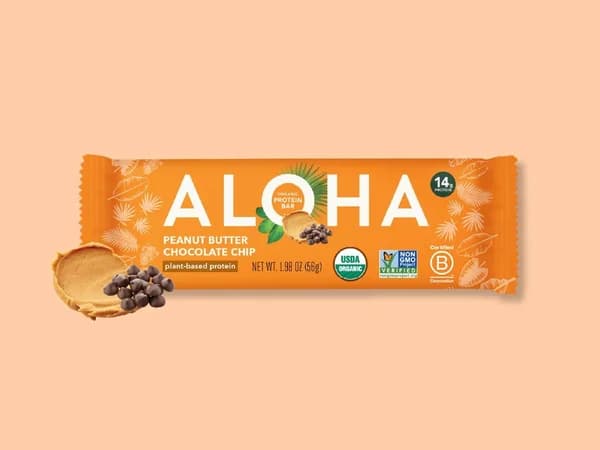
Both are USDA Organic plant-based bars, but they make different trade-offs. ALOHA offers more protein (14g vs 11g), uses monk fruit sweetening instead of brown rice syrup (resulting in lower sugar), and costs slightly less per bar (~$2.92 vs ~$3.25). GoMacro counters with the additional C.L.E.A.N. certification and a simpler ingredient list. If taste and protein are priorities, ALOHA has the edge. If maximum certification and ingredient purity matter most, GoMacro wins.
Does the high sugar content make this unhealthy?
Context matters. The ~10g of sugar comes from organic brown rice syrup and organic cane sugar -- whole food sources that behave differently metabolically than high fructose corn syrup or artificial sweeteners. That said, 10g is 10g, and if you are managing blood sugar or counting sugar intake, this bar is higher than competitors like Bulletproof (2g) or Primal Kitchen (3g). For a generally healthy person eating it as a snack, the sugar content is moderate and comes packaged with fiber and fat that slow absorption.
Who Is GoMacro MacroBar Peanut Butter Chocolate Chip Best For?
Organic purists who prioritize whole food ingredients and clean certifications above protein content
The Bottom Line
GoMacro is the gold standard for ingredient purity in the protein bar space. USDA Organic, C.L.E.A.N. certified, and made entirely from whole food ingredients. The trade-off is modest protein (11g) and higher sugar from organic sources. If ingredient quality matters more than macros, this is the bar to beat.
Try GoMacro MacroBar Peanut Butter Chocolate Chip TodayKey Specs
Scoring Breakdown
Evaluates overall cleanliness of the ingredient list. Penalizes artificial sweeteners (sucralose, acesulfame K), sugar alcohols (erythritol, maltitol, sorbitol), artificial preservatives, artificial colors/flavors, and seed oils. Rewards whole food ingredients, organic certification, and minimal processing.
Assesses the quality and bioavailability of protein sources. Ranks: grass-fed whey isolate > whey concentrate > egg white > collagen > multi-source plant blend > single-source plant protein. Considers amino acid completeness and digestibility (PDCAAS score).
Analyzes total sugar content and sweetener types. Penalizes high sugar (>8g), sugar alcohols, and artificial sweeteners. Rewards natural sweeteners (dates, honey, monk fruit) and low total sugar while maintaining palatability.
Evaluates protein-to-calorie ratio, fiber content (3g+ preferred), and overall macronutrient distribution. Higher protein per calorie scores better. Balanced fat content and adequate fiber are preferred.
Third-party certifications including USDA Organic, Non-GMO Project Verified, NSF Certified for Sport, Informed Sport, Kosher, B Corp status, and independent lab testing verification.
Based on aggregated consumer reviews, expert taste tests, and texture assessments across major review sources. Considers flavor variety, chewiness vs. chalkiness, and overall enjoyment.
Full ingredient disclosure, clear allergen labeling, sourcing information (e.g., grass-fed, organic origin), nutritional claim accuracy, and company transparency practices.