
Built Bar Double Chocolate Fudge Review
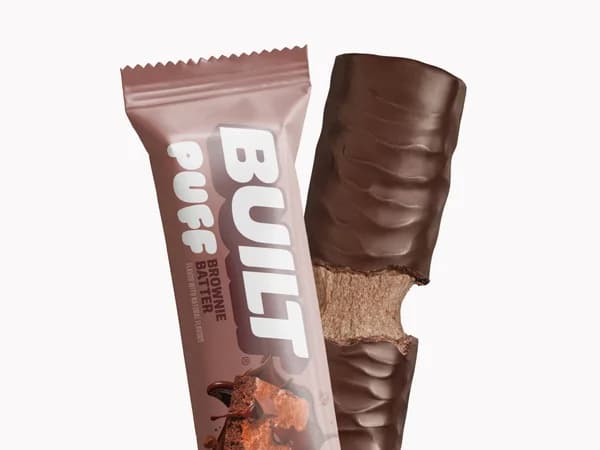
Built Bar created a unique texture category — light and marshmallow-like with real chocolate coating. The whey-collagen blend provides 17g protein, and at only 4g sugar it satisfies sweet cravings without the sugar hit. Lacks certifications but the eating experience is genuinely different from every other bar here.

Built Bar Double Chocolate Fudge Review
Built Bar created a unique texture category — light and marshmallow-like with real chocolate coating. The whey-collagen blend provides 17g protein, and at only 4g sugar it satisfies sweet cravings without the sugar hit. Lacks certifications but the eating experience is genuinely different from every other bar here.
Built Bar Double Chocolate Fudge Review
Built Bar created a unique texture category — light and marshmallow-like with real chocolate coating. The whey-collagen blend provides 17g protein, and at only 4g sugar it satisfies sweet cravings without the sugar hit. Lacks certifications but the eating experience is genuinely different from every other bar here.

Built Bar Double Chocolate Fudge Pros & Cons
Pros
- Real chocolate coating with a light, marshmallow-like texture unlike any competitor
- Whey and collagen protein blend provides 17g protein with joint support benefits
- Only 4g sugar per bar with a dessert-like eating experience
Cons
- No major health or sport certifications available
- Collagen portion of protein blend is incomplete — not all amino acids present
- Limited retail availability — primarily sold through direct-to-consumer channels
Overview
Built Bar invented a texture that does not exist anywhere else in the protein bar market. Where every other bar in this comparison is some variation of dense, chewy, or crunchy, Built Bar is light and marshmallow-like — a puffed protein center coated in real chocolate that feels closer to a chocolate-covered meringue than a traditional protein bar. The Double Chocolate Fudge flavor leans fully into this identity with a dark chocolate coating over a chocolate-flavored marshmallow interior.
The protein blend is equally unconventional. Built Bar combines whey protein with collagen protein, delivering 17g total per bar with only 4g sugar. The collagen addition is not just a formulation choice for texture — it provides glycine, proline, and hydroxyproline, amino acids that support joint and connective tissue health. The trade-off is that collagen is not a complete protein, lacking tryptophan and being low in branched-chain amino acids. So the 17g is a blended quality: partly high-bioavailability whey, partly functional-but-incomplete collagen.
Built Bar's origin story is distinctly direct-to-consumer. The brand launched online without retail distribution and built a devoted following through social media and word-of-mouth before expanding to limited retail. This DTC model means the bar can be harder to find than competitors that line every grocery checkout lane. You are more likely to discover Built Bar through a gym buddy's recommendation than a store shelf, and purchasing usually means ordering a box online rather than grabbing one impulsively.
Features Deep-Dive
The Marshmallow Texture Revolution
The texture deserves dedicated attention because it genuinely changes what eating a protein bar feels like. Most protein bars derive their structure from compressed protein powder bound with syrups and fibers. The result, across nearly every brand, is some degree of dense chewiness — the kind that makes your jaw work and leaves residue on your teeth. Built Bar achieves structure through aeration, creating a puffed protein matrix that is soft, light, and dissolves relatively quickly in the mouth.
The closest analog in mainstream candy is a Milky Way or 3 Musketeers bar, but even that comparison is imperfect. Built Bar is lighter than those products — it feels almost insubstantial by protein bar standards. Some users find this delightful because it makes the bar feel like a genuine treat. Others find it unsatisfying because the light texture does not deliver the density they associate with a protein-rich food.
The real chocolate coating adds significant value. Unlike the compound coatings on many protein bars (which use palm oil instead of cocoa butter), Built Bar uses actual chocolate that snaps, melts on the tongue, and tastes like chocolate rather than a chocolate-flavored wax. Combined with the airy center, the overall eating experience is legitimately dessert-like.
Whey-Collagen Protein Blend
Built Bar's protein source is a dual blend of whey protein isolate and collagen protein. This is a distinctive approach with genuine advantages and real limitations that deserve honest assessment.
The whey component provides a complete amino acid profile with excellent bioavailability and strong leucine content for muscle protein synthesis. Whey protein isolate is the gold standard for exercise recovery, and its presence here means Built Bar has a legitimate foundation as a fitness supplement.
The collagen component adds amino acids that whey is relatively low in — particularly glycine and proline, which support joint health, skin elasticity, and connective tissue repair. For athletes dealing with joint stress or older adults concerned about connective tissue health, the collagen inclusion provides functional benefits beyond basic protein supplementation.
The limitation is amino acid completeness. Collagen lacks tryptophan entirely and is low in the branched-chain amino acids (leucine, isoleucine, valine) that drive muscle protein synthesis. This means the 17g total protein is not equivalent to 17g of pure whey. The muscle-building effectiveness sits somewhere between the whey portion and the collagen portion — likely comparable to about 14-15g of pure whey for strict muscle synthesis purposes. The collagen contribution is real but targets different physiological benefits.
Sugar Profile and Sweetness Balance
At 4g of sugar per bar, Built Bar sits in a practical middle ground. It is lower than RXBAR's 12g and KIND's 6g, higher than Barebells' 1g and No Cow's 1g. The 4g comes from the chocolate coating primarily, and the sweetness profile tastes balanced rather than artificially intense.
Built Bar uses erythritol and stevia in addition to the small amount of real sugar. Erythritol is generally well-tolerated — it is absorbed in the small intestine and excreted without the fermentation that causes digestive issues with maltitol. Stevia adds sweetness at the tail end without calories. The combination creates a sweetness curve that starts with real sugar, sustains with erythritol, and finishes with stevia. The result tastes more natural than bars relying solely on artificial sweeteners.
For the Double Chocolate Fudge flavor specifically, the sweetness is chocolatey and rich without being cloying. The dark chocolate coating tempers the sweetness of the marshmallow center, and the overall sugar perception is well-calibrated for a protein bar that wants to taste like dessert without actually being dessert.
Pricing Analysis
Built Bar prices at approximately $2.08 per bar ($25 for a box of 12), making it the most affordable bar in this mid-tier comparison. The cost per gram of protein runs about $0.12/g, which is competitive and only slightly behind Pure Protein's budget-tier pricing.
The value proposition is strong: the cheapest bar with arguably the most unique eating experience and a protein blend that includes functional collagen benefits. However, the purchasing experience itself adds friction. Built Bar's primary sales channel is their own website, with limited availability on Amazon and minimal retail presence. Shipping costs can add $5-8 to an order, which erodes the per-bar price advantage unless you order in bulk.
The brand frequently runs promotional bundles and variety packs that bring per-bar costs below $2.00. For committed buyers who order monthly, the delivered cost is genuinely competitive. For impulse purchasers who want to grab a single bar at the gas station, Built Bar simply is not available in that context — which limits its practical accessibility despite the attractive sticker price.
Who Is This For?
Built Bar Double Chocolate Fudge works best for:
-
Dessert cravers on a protein plan who want their daily protein bar to feel like a genuine indulgence. The light marshmallow texture and real chocolate coating create an eating experience that satisfies sweet cravings in a way that dense, chewy bars cannot. If you are the person who skips your protein bar because it feels like a chore, Built Bar reframes the entire interaction.
-
Joint-conscious athletes and active adults who value the collagen component for connective tissue support. The whey-collagen blend delivers standard protein benefits plus targeted joint and tissue recovery amino acids. Runners, climbers, and anyone dealing with repetitive joint stress get dual functionality from a single bar.
-
Texture-sensitive eaters who have rejected protein bars because of the dense, sticky, chewy mouthfeel common to the category. Built Bar is fundamentally different — light, airy, and quick to eat. If every other protein bar has felt like chewing through a tire, Built Bar is worth trying.
-
Value-conscious buyers who want premium taste and experience without premium pricing. At $2.08/bar, Built Bar undercuts Barebells, RXBAR, and Garden of Life while delivering a more enjoyable eating experience than most of them.
Who Should NOT Use This
Built Bar Double Chocolate Fudge might not be the right choice if:
-
You need maximum protein per serving. At 17g total with a portion from collagen, the muscle-building protein per bar is effectively 14-15g whey-equivalent. If you are optimizing strictly for muscle protein synthesis, Barebells (20g whey), Quest (21g whey-milk blend), or No Cow (20g plant) deliver more functional protein per serving.
-
You require third-party certifications. Built Bar carries no NSF for Sport, USDA Organic, or Non-GMO Project Verified certifications. Competitive athletes subject to drug testing should not rely on uncertified supplements. Garden of Life Sport is the clear alternative for certified needs.
-
You want retail availability. Built Bar's direct-to-consumer model means you cannot walk into a grocery store or gas station and buy one. If you want protein bars available wherever you happen to be, RXBAR and Quest have vastly broader distribution. Planning ahead and ordering online is a requirement for Built Bar consumption.
Bottom Line
Built Bar Double Chocolate Fudge delivers something no other protein bar in this comparison offers: a genuinely unique eating experience. The marshmallow-like texture and real chocolate coating create a product that feels like dessert rather than supplementation. At $2.08/bar, the pricing supports regular consumption without guilt over the cost.
The protein profile is honest but nuanced — 17g from a whey-collagen blend provides both muscle-building and joint-support amino acids, but the effective muscle protein is lower than the number suggests. No certifications back the sourcing, and the DTC distribution model limits convenience. Built Bar is the bar for people who want to enjoy eating their protein, and who are willing to order online to make it happen.
FAQ
Does Built Bar actually taste like dessert?
It genuinely does, with the caveat that it tastes like a lighter, less-sweet dessert. The marshmallow texture and real chocolate coating create an experience that most first-time tasters find surprisingly enjoyable. It will not replace a premium chocolate truffle, but it will satisfy a 3pm candy craving while contributing 17g of protein. The Double Chocolate Fudge flavor is among the richest in the lineup.
Is collagen protein as good as whey for building muscle?
No. Collagen lacks the branched-chain amino acids, particularly leucine, that drive muscle protein synthesis. The whey portion of Built Bar's blend provides effective muscle-building protein; the collagen portion provides joint and connective tissue support. Think of it as a bar that partially builds muscle and partially supports joints, rather than one that maximizes either function. For pure muscle building, a bar with 20g of straight whey (like Barebells) is more effective.
Why is Built Bar so hard to find in stores?
Built Bar launched as a direct-to-consumer brand and has been slow to expand retail distribution. The business model keeps margins higher by selling directly through their website, and the loyal customer base sustains revenue without retail shelf space. Limited Amazon availability exists but can be inconsistent. If you want the bar, plan to order from builtbar.com and keep a box on hand.
How does Built Bar compare to Barebells for taste?
Both score 9.0 for taste-texture in our evaluation, but they achieve it differently. Barebells tastes like a candy bar — dense chocolate coating over a creamy center. Built Bar tastes like a chocolate-covered marshmallow — light, airy, and delicate. Preference is genuinely personal. Barebells delivers more protein (20g vs 17g) and a more traditional candy-bar feel. Built Bar offers a lighter, more unique texture. Try both; most people develop a strong preference for one or the other.
Is the collagen in Built Bar enough to help with joint health?
The collagen contributes glycine, proline, and hydroxyproline — amino acids specifically used in joint and connective tissue repair. However, the amount in a single bar is modest compared to dedicated collagen supplements (which typically provide 10-20g of collagen peptides). Think of it as a supplementary contribution rather than a therapeutic dose. Eating one Built Bar daily will not replace a collagen supplement, but it provides a beneficial addition that purely whey-based bars do not offer.
Who Is Built Bar Double Chocolate Fudge Best For?
Dessert lovers who want a genuinely enjoyable protein bar with moderate macros
The Bottom Line
Built Bar created a unique texture category — light and marshmallow-like with real chocolate coating. The whey-collagen blend provides 17g protein, and at only 4g sugar it satisfies sweet cravings without the sugar hit. Lacks certifications but the eating experience is genuinely different from every other bar here.
Try Built Bar Double Chocolate Fudge TodayKey Specs
Scoring Breakdown
Evaluates overall cleanliness of the ingredient list. Penalizes artificial sweeteners (sucralose, acesulfame K), sugar alcohols (erythritol, maltitol, sorbitol), artificial preservatives, artificial colors/flavors, and seed oils. Rewards whole food ingredients, organic certification, and minimal processing.
Assesses the quality and bioavailability of protein sources. Ranks: grass-fed whey isolate > whey concentrate > egg white > collagen > multi-source plant blend > single-source plant protein. Considers amino acid completeness and digestibility (PDCAAS score).
Analyzes total sugar content and sweetener types. Penalizes high sugar (>8g), sugar alcohols, and artificial sweeteners. Rewards natural sweeteners (dates, honey, monk fruit) and low total sugar while maintaining palatability.
Evaluates protein-to-calorie ratio, fiber content (3g+ preferred), and overall macronutrient distribution. Higher protein per calorie scores better. Balanced fat content and adequate fiber are preferred.
Third-party certifications including USDA Organic, Non-GMO Project Verified, NSF Certified for Sport, Informed Sport, Kosher, B Corp status, and independent lab testing verification.
Based on aggregated consumer reviews, expert taste tests, and texture assessments across major review sources. Considers flavor variety, chewiness vs. chalkiness, and overall enjoyment.
Full ingredient disclosure, clear allergen labeling, sourcing information (e.g., grass-fed, organic origin), nutritional claim accuracy, and company transparency practices.