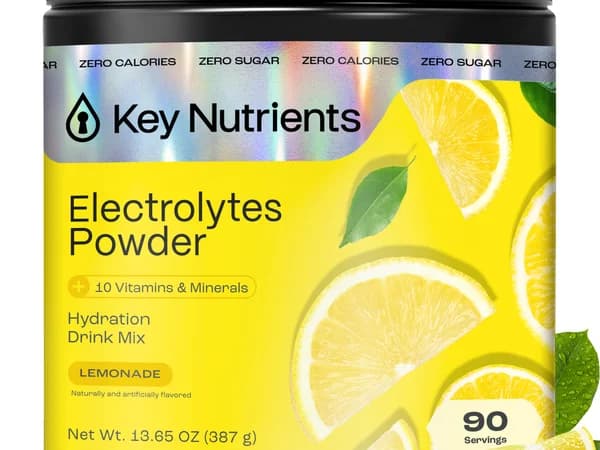
Key Nutrients Electrolyte Recovery Plus
Budget-conscious daily users who want zero-calorie electrolytes with vitamin supplementation
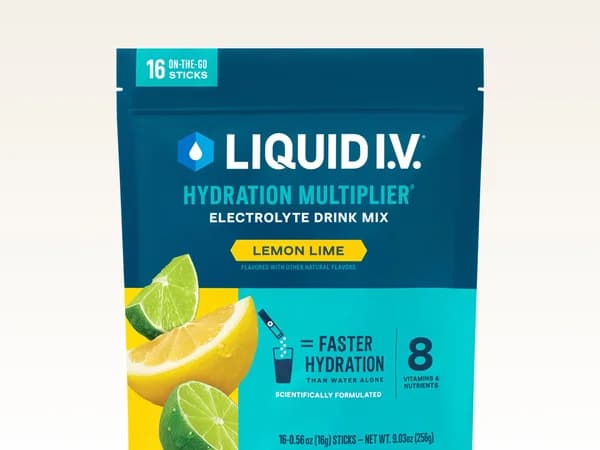
Liquid I.V. Hydration Multiplier
Mainstream consumers who prioritize taste and convenience over clean-label credentials

Score Comparison
Pricing & Features
Making Your Decision

When to Choose Key Nutrients Electrolyte Recovery Plus
Budget-conscious daily users who want zero-calorie electrolytes with vitamin supplementation
Key Nutrients offers the best per-serving value in this comparison with 90 servings at under $0.50 each. The zero-sugar formula with added vitamins makes it a solid daily hydration choice, though the moderate electrolyte amounts may not suffice for heavy athletic use.
Strengths
- Outstanding value at ~$0.44/serving with 90 servings per tub
- Zero sugar and zero calories with 6 key electrolytes plus 12 vitamins
- Wide flavor variety with 10+ options including unique picks like peach mango
Limitations
- Uses stevia which can taste bitter to some people at this concentration
- Contains "natural flavors" without full disclosure of sourcing
- Electrolyte amounts per serving are moderate — may need double-scooping for intense activity

When to Choose Liquid I.V. Hydration Multiplier
Mainstream consumers who prioritize taste and convenience over clean-label credentials
Liquid I.V. is the most recognizable name in electrolytes, and the taste delivers. However, 11g of added sugar per serving and opaque "natural flavors" labeling put it behind cleaner competitors on ingredient quality. Best for those who want something that tastes great and is available everywhere.
Strengths
- Uses Cellular Transport Technology (CTT) for enhanced water absorption
- Widest flavor variety and most widespread retail availability
- Great taste consistently praised in user reviews
Limitations
- 11g of added sugar per serving — significantly more than clean-label competitors
- Contains citric acid and natural flavors without full disclosure of sources
- Moderate electrolyte content (500mg sodium) relative to sugar load