Cesar Classic Loaf in Sauce Beef Recipe Review
Cesar trays are designed for convenience and small dog feeding. The single-serve format eliminates storage hassle and the smooth loaf texture has strong acceptance rates. However, ingredient quality is bottom-tier with by-products and unnamed proteins. Best for small dogs as a topper or treat, not as a primary diet for larger breeds.

Cesar Classic Loaf in Sauce Beef Recipe Review
Cesar trays are designed for convenience and small dog feeding. The single-serve format eliminates storage hassle and the smooth loaf texture has strong acceptance rates. However, ingredient quality is bottom-tier with by-products and unnamed proteins. Best for small dogs as a topper or treat, not as a primary diet for larger breeds.
Cesar Classic Loaf in Sauce Beef Recipe Review
Cesar trays are designed for convenience and small dog feeding. The single-serve format eliminates storage hassle and the smooth loaf texture has strong acceptance rates. However, ingredient quality is bottom-tier with by-products and unnamed proteins. Best for small dogs as a topper or treat, not as a primary diet for larger breeds.

Cesar Classic Loaf in Sauce Beef Recipe Pros & Cons
Pros
- Convenient single-serve tray format — no can opener needed, easy portion control
- High palatability with smooth loaf texture that picky eaters tend to accept
- Affordable per-tray pricing with frequent multi-pack deals available
Cons
- Small 3.5 oz trays mean ~$15/day for a 50 lb dog — expensive for larger breeds
- Contains meat by-products and unnamed protein sources
- Lowest ingredient transparency in this comparison — vague sourcing
Overview
Cesar has built its entire brand around one insight: small dog owners want convenience above almost everything else. The peel-back tray format means no can opener, no leftover storage, no mess. You open it, serve it, toss the tray. For a Yorkie or Chihuahua owner, that simplicity has genuine value. The smooth loaf texture also has remarkably high acceptance rates among picky small breeds that turn their noses up at chunkier formats.
The ingredient quality, however, is where Cesar falls short. Meat by-products lead the ingredient list, protein sources aren't named with specificity, and the sourcing transparency is the lowest in our comparison. At $1.28 per 3.5 oz tray (~$0.37/oz when measured by weight), you're actually paying more per ounce than some premium brands — you're paying for the packaging convenience, not the ingredients inside.
Features Deep-Dive
Single-Serve Tray Design
The 3.5 oz peel-back tray is Cesar's defining feature. For small dogs under 15 pounds, a single tray is roughly one meal's worth. There's no can to open, no leftovers to refrigerate, and portion control is built in. This matters more than it sounds — many small dog owners report wasting food from larger cans that go unused before spoiling. The tray design also makes Cesar ideal for travel, boarding situations, or feeding at a friend's house.
Palatability for Picky Eaters
Cesar's smooth loaf-in-sauce texture is specifically engineered for small breed preferences. The soft, pate-like consistency is easier for tiny mouths to eat, and the sauce coating adds moisture and flavor that tends to win over dogs who reject other brands. Owner reviews consistently note that Cesar is the "last resort" that finally gets a finicky toy breed to eat. Whether that palatability comes from quality ingredients or flavor engineering is a fair question.
Multi-Pack Economics
While the per-tray price of $1.28 sounds affordable, the math changes when you calculate by weight. At ~$0.37 per ounce, Cesar is actually more expensive than many mid-range canned foods sold in 12.5-13 oz formats. The value proposition only works if you genuinely need the small-portion convenience and would waste food from larger cans. Multi-packs of 24-36 trays bring the per-unit cost down, but the per-ounce premium remains.
Pricing Analysis
At $1.28 per 3.5 oz tray, Cesar's per-tray cost is low, but the per-ounce cost (~$0.37/oz) is deceptively high. A small dog eating one tray daily spends about $38/month — comparable to feeding a premium brand from a larger can. For medium or large dogs, Cesar becomes impractical: a 30-pound dog would need 3-4 trays per meal, running $150+/month. The economics only work for small breeds where the single-serve format prevents food waste from larger cans.
Who Is This For?
Cesar Classic Loaf in Sauce Beef Recipe works best for:
- Small breed owners (under 15 lbs) who want mess-free, single-serve portions perfectly sized for tiny dogs
- Owners of extremely picky eaters who have tried other brands without success and need a high-palatability option to ensure their dog eats consistently
- Travel and boarding situations where portability and no-prep convenience outweigh ingredient quality considerations
- Elderly dog owners who may have difficulty operating can openers or managing leftover storage
Who Should NOT Use This
Cesar Classic Loaf in Sauce Beef Recipe might not be the right choice if:
- You have a medium or large breed — the small trays are wildly impractical and expensive for dogs over 20 pounds
- Ingredient quality matters to you — by-products, unnamed proteins, and minimal transparency are standard across the Cesar line
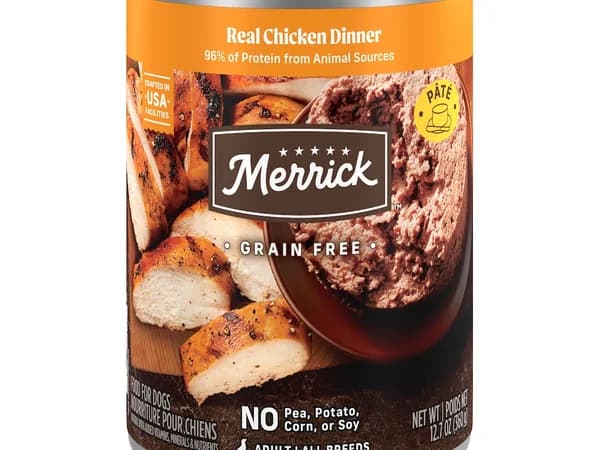
- You're comparing value per ounce — at ~$0.37/oz, premium brands like Merrick ($0.30/oz) actually offer better ingredients for less money when bought in standard cans
Bottom Line
Cesar occupies a specific niche: convenient, single-serve portions with high palatability for small, picky dogs. If that describes your situation, the format genuinely solves a real problem. But if you're feeding a medium or large breed, or if ingredient quality is a priority, you'll get more for your money elsewhere.
FAQ
Is Cesar good enough to be a primary diet for small dogs?
It meets AAFCO standards for complete nutrition, so technically yes. However, the by-product-heavy ingredient list and lack of named proteins make it a better fit as a topper or occasional meal rather than an exclusive daily diet. Many veterinarians recommend pairing it with a higher-quality dry food.
Why is Cesar so expensive per ounce despite seeming cheap?
The 3.5 oz tray format drives up the per-ounce cost because you're paying for individual packaging, peel-back lids, and portion-controlled servings. A 12.5 oz can of Blue Buffalo Homestyle at $2.93 works out to $0.23/oz — significantly cheaper per ounce with better ingredients.
My dog only eats Cesar and refuses everything else. Should I be concerned?
This is common with small breeds. Cesar's flavor profile and soft texture create strong preferences. Try gradually mixing in a higher-quality pate (like Rachael Ray Nutrish) at a 25/75 ratio, slowly increasing over two weeks. Most dogs adapt if the transition is gradual enough.
Who Is Cesar Classic Loaf in Sauce Beef Recipe Best For?
Small dog owners who want convenient single-serve portions with high palatability
The Bottom Line
Cesar trays are designed for convenience and small dog feeding. The single-serve format eliminates storage hassle and the smooth loaf texture has strong acceptance rates. However, ingredient quality is bottom-tier with by-products and unnamed proteins. Best for small dogs as a topper or treat, not as a primary diet for larger breeds.
Try Cesar Classic Loaf in Sauce Beef Recipe TodayKey Specs
Scoring Breakdown
Quality of protein sources (named meats vs byproducts), use of whole ingredients, absence of fillers (corn, wheat, soy), artificial colors/flavors/preservatives. Rewards fresh/real protein as first ingredient.
Protein/fat/moisture balance, vitamin/mineral completeness, caloric density appropriate for adult dogs, AAFCO compliance with feeding trial data.
Named vs unnamed protein sources, sourcing clarity (country of origin, farm certifications), traceability, absence of vague ingredient terms.
Brand recall history over last 5+ years, manufacturing standards, third-party contamination testing, FDA compliance track record.
Customer satisfaction for taste acceptance, texture quality (pate, stew, loaf, chunks in gravy), consistency, and appetite response across dog sizes and breeds.
Daily feeding cost for a 50 lb dog relative to ingredient quality. Cost-per-ounce and cost-per-calorie normalized. Best quality per dollar spent, not cheapest overall.