
Vega Sport Premium Protein Review
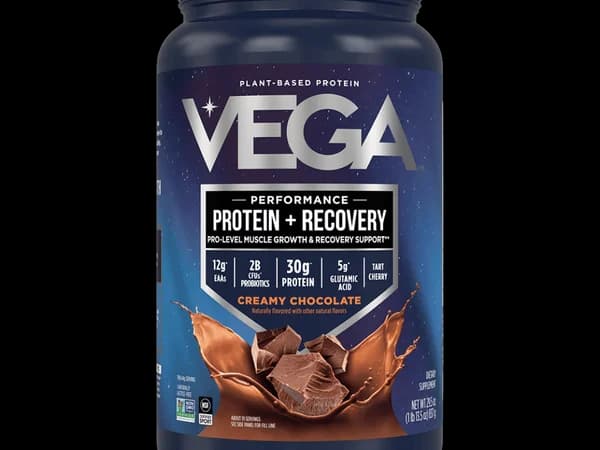
Vega Sport is the premier NSF-certified plant-based protein for athletes. The multi-source blend provides a complete amino acid profile, and added recovery ingredients like tart cherry give it functional edge. Plant-based heavy metal concerns and premium pricing are the trade-offs.

Vega Sport Premium Protein Review
Vega Sport is the premier NSF-certified plant-based protein for athletes. The multi-source blend provides a complete amino acid profile, and added recovery ingredients like tart cherry give it functional edge. Plant-based heavy metal concerns and premium pricing are the trade-offs.
Vega Sport Premium Protein Review
Vega Sport is the premier NSF-certified plant-based protein for athletes. The multi-source blend provides a complete amino acid profile, and added recovery ingredients like tart cherry give it functional edge. Plant-based heavy metal concerns and premium pricing are the trade-offs.

Vega Sport Premium Protein Pros & Cons
Pros
- NSF Certified for Sport with 30g plant-based protein per serving
- Multi-source plant blend (pea, pumpkin seed, sunflower, alfalfa) for complete amino profile
- Added tart cherry and turmeric for post-workout recovery support
Cons
- Some Consumer Reports concern over heavy metals in plant-based proteins generally
- Strong stevia taste can be polarizing for some palates
- Premium price at $3.00/serving for 20 servings per container
Overview
Vega Sport Premium Protein occupies a peculiar and somewhat lonely position in the protein powder market: it is one of the very few plant-based proteins that carries NSF Certified for Sport certification, the gold standard for athletes subject to drug testing. That distinction alone makes it worth serious consideration for any vegan or vegetarian competitor who cannot risk a failed test. But the certification is only part of the story. Vega Sport uses a multi-source plant blend — pea, pumpkin seed, sunflower seed, and alfalfa protein — engineered to deliver a complete amino acid profile that individual plant sources struggle to achieve on their own. At 30g of protein per serving, it matches or exceeds many whey-based competitors in raw protein content.
The product also includes tart cherry extract and turmeric, functional ingredients with published research supporting their roles in reducing exercise-induced inflammation and supporting recovery. These are not pixie-dusted amounts, though Vega does not disclose exact dosages of the recovery blend on the label. The bigger conversation around Vega Sport, and plant-based proteins generally, involves heavy metals. Consumer Reports has repeatedly flagged plant-based protein powders for elevated levels of lead, cadmium, and arsenic — a concern that applies category-wide, not uniquely to Vega. The NSF certification does include contaminant screening, which provides some reassurance, but it is not the same as publishing batch-level heavy metal COAs. At $3.00 per serving with only 20 servings per container, this is a premium product that asks you to pay for its certifications and formulation philosophy. Whether that premium is justified depends entirely on whether you need what it uniquely offers.
Features Deep-Dive
NSF Certified for Sport: What It Actually Means for Plant-Based Athletes
The NSF Certified for Sport mark is not a participation trophy. It requires that every production batch is tested for over 270 banned substances, that the manufacturing facility passes a GMP audit, and that the label accurately reflects what is in the container. For athletes competing in NCAA, NFL, MLB, or any WADA-governed sport, this certification is effectively a requirement — not a nice-to-have. What makes Vega Sport notable is that almost no other plant-based protein carries this mark. Most NSF-certified proteins are whey-based, which leaves vegan athletes with very few options that provide genuine anti-doping assurance. If you are a tested athlete who follows a plant-based diet, your alternatives to Vega Sport are extremely limited. That scarcity is a significant part of what you are paying for. The certification also means Vega's supply chain is audited in ways that smaller plant-based brands simply are not, which provides a baseline of manufacturing quality that goes beyond just the banned substance list.
Multi-Source Plant Protein Blend: Engineering Completeness
Single-source plant proteins have a well-documented weakness: incomplete amino acid profiles. Pea protein is low in methionine. Rice protein is low in lysine. Vega Sport addresses this by combining four different plant sources — pea protein isolate as the primary base, supplemented with pumpkin seed, sunflower seed, and alfalfa protein. The result is an amino acid profile that more closely mirrors whey, including a respectable leucine content that is critical for triggering muscle protein synthesis. At 30g of protein per serving, Vega Sport delivers more protein per scoop than many plant-based competitors that hover around 20-25g. However, plant protein digestibility (measured by PDCAAS or the newer DIAAS scoring) still trails whey. Practically, this means your body may absorb and utilize slightly less of that 30g compared to 30g from whey isolate. For most recreational athletes, the difference is marginal. For competitive athletes tracking every gram, it is worth noting that you may want to use a slightly larger serving or supplement with additional leucine.
Tart Cherry and Turmeric: Functional or Marketing?
Vega Sport includes tart cherry extract and turmeric in its formulation, both of which have legitimate research backing for anti-inflammatory and recovery benefits. Tart cherry consumption has been associated with reduced muscle soreness and faster recovery of isometric strength after eccentric exercise in several published studies. Turmeric's active compound, curcumin, has demonstrated anti-inflammatory properties in clinical trials, though bioavailability is a persistent challenge — most effective curcumin supplements include piperine (black pepper extract) to enhance absorption, and Vega's label does not indicate this addition. The practical question is dosage. Vega does not break out the exact amounts of tart cherry or turmeric in the recovery blend, making it impossible to compare against clinically studied doses. If these ingredients are present in meaningful quantities, they add genuine functional value beyond basic protein delivery. If they are there in trace amounts, they are essentially label decoration. Without transparency on dosing, consumers have to take Vega's word for it, which is a frustrating gap in an otherwise well-credentialed product.
Taste, Texture, and the Stevia Question
Plant-based protein powders have come a long way from the gritty, earthy-tasting formulations of a decade ago, but they still do not match the smoothness of a well-made whey protein. Vega Sport mixes reasonably well in a shaker bottle, though it can develop a slightly chalky mouthfeel if you let it sit for more than a few minutes. The bigger polarization point is stevia. Vega Sport uses stevia leaf extract as its primary sweetener, and the intensity of the stevia taste is a frequent complaint in user reviews. If you are sensitive to stevia's characteristic lingering sweetness — sometimes described as a metallic or licorice-like aftertaste — Vega Sport may be difficult to enjoy daily. The chocolate flavor tends to mask it better than vanilla or berry options. Blending with a banana, nut butter, or oat milk can also help temper the sweetness, but it is an extra step that whey users rarely need to take.
Pricing Analysis
At $60 for approximately 20 servings, Vega Sport Premium Protein comes in at $3.00 per serving — placing it firmly in premium territory. For context, Orgain's organic plant-based protein costs roughly $1.80 per serving, and even Garden of Life SPORT (which also carries NSF certification) runs about $2.67 per serving. The price-per-gram-of-protein calculation is even less flattering: at 30g per serving, you are paying about $0.10 per gram of protein, compared to roughly $0.014 per gram for Optimum Nutrition Gold Standard Whey. The 20-serving container size compounds the sticker shock — you are buying a new tub roughly every three weeks if using it daily, which adds up to over $90 per month. The value proposition here is not about raw economics. It is about access to a specific combination of features (plant-based, NSF certified, multi-source blend, recovery ingredients) that no other single product on the market currently matches. If you need all four of those attributes, there is essentially no cheaper alternative. If you only need two or three of them, you can almost certainly find a better deal elsewhere.
Who Is This For?
Vega Sport Premium Protein works best for:
- Drug-tested vegan or vegetarian athletes who compete in NCAA, professional, or WADA-governed sports and need NSF Certified for Sport assurance on a plant-based protein. This is the product's core reason for existing, and no other plant-based protein serves this need as credibly.
- Plant-based fitness enthusiasts who prioritize formulation quality over cost and want a multi-source protein blend designed for amino acid completeness rather than a single-source pea protein. The added recovery ingredients are a bonus if you train intensely and want to consolidate supplements.
- Individuals with dairy sensitivities or ethical commitments to veganism who still want a protein powder with institutional-grade quality assurance. The NSF certification provides a level of manufacturing oversight that most plant-based brands cannot match, which matters if you have had bad experiences with inconsistent quality from smaller vegan protein brands.
Who Should NOT Use This
Vega Sport Premium Protein might not be the right choice if:
- You are budget-conscious or consume protein powder daily: At $3.00 per serving and only 20 servings per container, the monthly cost for daily use exceeds $90. If you do not specifically need the NSF certification or plant-based formulation, products like Optimum Nutrition Gold Standard deliver comparable protein for roughly one-third the cost. Even within the plant-based category, Orgain offers organic protein at $1.80 per serving.
- You dislike stevia or are sensitive to its aftertaste: The stevia sweetness in Vega Sport is prominent and difficult to mask, especially in lighter flavors. If you have tried other stevia-sweetened products and found the taste objectionable, Vega Sport is unlikely to change your mind. Consider Levels or Naked Whey if you prefer minimal or no artificial and natural sweetener additives.
- You are concerned about heavy metals in plant-based proteins: While Vega Sport's NSF certification includes contaminant screening, the broader category of plant-based proteins has been flagged by Consumer Reports for elevated heavy metal levels. If heavy metal exposure is a primary concern, whey-based proteins from dairy sources generally test cleaner on this dimension.
Bottom Line
Vega Sport Premium Protein is the best option available for plant-based athletes who need genuine third-party certification for competitive sports. The multi-source blend and recovery ingredients demonstrate thoughtful formulation, not just marketing. But the premium price, limited serving count, and divisive stevia taste mean it only makes financial sense if you actually need the specific combination of features it offers — for everyone else, there are better values in both the plant-based and whey categories.
FAQ
Is Vega Sport Premium Protein a complete protein?
Yes. By combining pea, pumpkin seed, sunflower seed, and alfalfa protein, Vega Sport provides all nine essential amino acids in meaningful quantities. No single plant source achieves this on its own, which is precisely why Vega uses a multi-source blend. The amino acid profile is not identical to whey — plant proteins generally deliver less leucine per gram — but it is sufficient to support muscle protein synthesis when consumed in adequate amounts. The 30g per serving helps compensate for the slightly lower bioavailability of plant protein compared to whey.
How does Vega Sport compare to Garden of Life SPORT for plant-based athletes?
Both carry NSF Certified for Sport certification, making them the two most credible options for tested plant-based athletes. Garden of Life SPORT adds USDA Organic and Non-GMO Project Verified certifications and includes probiotics, but it was flagged by Consumer Reports for lead levels at 4-6x their daily safety concern threshold. Vega Sport has not been individually flagged in the same way, though plant-based proteins as a category carry elevated heavy metal risk. Vega Sport offers 30g protein per serving versus Garden of Life's 30g, so protein content is comparable. Vega Sport costs more per serving ($3.00 vs. $2.67) but includes recovery-focused ingredients like tart cherry and turmeric that Garden of Life does not.
Can I use Vega Sport Premium Protein for weight loss?
Vega Sport can work within a calorie-controlled diet, but it is not specifically formulated for weight loss. Each serving contains approximately 160-170 calories depending on the flavor, with 30g of protein providing strong satiety. The recovery ingredients (tart cherry, turmeric) are designed for active individuals, not dieters specifically. If your primary goal is weight loss rather than athletic performance, a simpler plant-based protein with fewer calories per serving and a lower price point might be a more practical daily choice. The $3.00 per serving cost is hard to justify if you are not leveraging the athletic performance features.
Is Vega Sport safe regarding heavy metals?
Vega Sport carries NSF Certified for Sport certification, which includes testing for contaminants including heavy metals. This provides more assurance than uncertified plant-based proteins. However, Consumer Reports has raised broader concerns about heavy metals in plant-based protein powders as a category — the plants used to make these proteins can absorb lead, cadmium, and arsenic from soil. Vega does not publish batch-level heavy metal test results (COAs) publicly, which would provide more definitive reassurance. If heavy metal exposure is your primary concern, whey-based proteins sourced from dairy generally carry lower risk on this specific dimension.
Who Is Vega Sport Premium Protein Best For?
Plant-based athletes who need NSF-certified vegan protein with recovery ingredients
The Bottom Line
Vega Sport is the premier NSF-certified plant-based protein for athletes. The multi-source blend provides a complete amino acid profile, and added recovery ingredients like tart cherry give it functional edge. Plant-based heavy metal concerns and premium pricing are the trade-offs.
Try Vega Sport Premium Protein TodayKey Specs
Scoring Breakdown
Certification level (NSF Certified for Sport, Informed Sport/Choice, Clean Label Project, Labdoor) and testing rigor
Heavy metal screening results (Consumer Reports data, Clean Label Project Purity Award, published batch COAs), lead/cadmium/arsenic levels
Minimal ingredient count, no artificial sweeteners/colors/fillers, natural flavoring, clean label practices
Protein grams per dollar — calculated from price per serving and protein per serving to identify best value
Protein per serving, amino acid profile, BCAA content, protein source quality (isolate vs concentrate, grass-fed, organic)
Flavor quality, texture, dissolving ease based on aggregated expert reviews and user ratings
Published COAs, ingredient sourcing disclosure, supply chain traceability, formula change communication