
Raw Grass Fed Whey Protein Review
Raw Organic Whey differentiates through published batch-level COAs that verify heavy metal and contaminant levels. The single-ingredient cold-processed formula is as clean as protein gets. No major certification but the transparent lab testing provides strong safety assurance.

Raw Grass Fed Whey Protein Review
Raw Organic Whey differentiates through published batch-level COAs that verify heavy metal and contaminant levels. The single-ingredient cold-processed formula is as clean as protein gets. No major certification but the transparent lab testing provides strong safety assurance.
Raw Grass Fed Whey Protein Review
Raw Organic Whey differentiates through published batch-level COAs that verify heavy metal and contaminant levels. The single-ingredient cold-processed formula is as clean as protein gets. No major certification but the transparent lab testing provides strong safety assurance.

Raw Grass Fed Whey Protein Pros & Cons
Pros
- Single-ingredient 100% grass-fed whey with published third-party COAs for heavy metals
- Cold-processed and undenatured to preserve natural protein structures
- Published batch-level certificates of analysis for heavy metals and contaminants
Cons
- No NSF or Informed Sport certification — relies on published COAs instead
- Unflavored with a mild grass-fed dairy taste — not for flavor seekers
- Basic packaging and smaller brand with limited retail presence
Overview
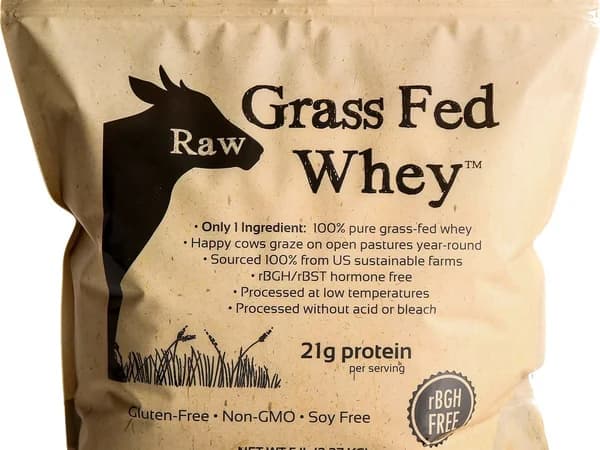
Raw Grass Fed Whey is the kind of product that looks unimpressive on a shelf and then quietly earns your respect. There's no flashy branding, no proprietary blends, no celebrity endorsements. What you get is a single-ingredient whey protein concentrate sourced from small American dairy farms, cold-processed to preserve its natural protein structures, and sold with published batch-level certificates of analysis that let you verify exactly what's in the tub you bought. At $1.18 per serving for the 5-pound bag, it's remarkably affordable for a grass-fed product.
The trade-off for all that purity is that this is an unflavored whey concentrate with a mild but unmistakable grass-fed dairy taste. If you've grown accustomed to cookie-dough-flavored protein shakes sweetened with sucralose, Raw Grass Fed Whey will feel like a cold shower. But for a certain type of consumer — one who reads ingredient labels first and marketing copy never — this is one of the most transparent and honest protein products on the market. The question is whether you value ingredient purity and sourcing transparency enough to accept the taste and texture compromises that come with it.
Features Deep-Dive
Cold Processing and Undenatured Protein
The term "undenatured" gets thrown around in protein marketing without much explanation, so let's clarify what it actually means and why it matters here. Protein denaturation is the unfolding of a protein's three-dimensional structure, typically caused by heat, extreme pH, or chemical treatment. In conventional whey processing, high temperatures during pasteurization and spray-drying can partially denature the whey proteins, potentially reducing the bioactivity of certain fractions — particularly immunoglobulins (antibodies), lactoferrin (an iron-binding antimicrobial protein), and glycomacropeptide.
Raw Grass Fed Whey uses cold-processing techniques that keep temperatures below the threshold where significant denaturation occurs. This preserves more of the naturally occurring bioactive compounds in their functional form. Does this matter for muscle building? Honestly, not much — the amino acids remain the same whether the protein is denatured or not, and muscle protein synthesis is driven by amino acid availability, not protein tertiary structure. Where it potentially matters is for immune support and gut health. Intact immunoglobulins and lactoferrin have demonstrated biological activity in research, though most studies use purified forms at higher concentrations than you'd get in a protein shake. Still, if you view your protein powder as a whole food rather than a pure amino acid delivery system, the cold-processed approach has a defensible rationale.
Published Certificates of Analysis
This is where Raw Grass Fed Whey genuinely stands out. The company publishes batch-level certificates of analysis (COAs) on their website, showing third-party lab results for heavy metals (lead, arsenic, cadmium, mercury), microbial contamination, and protein content verification. You can look up the lot number on your specific tub and see the actual test results for that production run.
This level of transparency is rare in the supplement industry. Many brands claim third-party testing but never publish results. Others publish a single representative COA rather than batch-specific data. Raw Grass Fed Whey's approach lets you verify that your specific purchase meets their stated standards. Their heavy metal results are consistently excellent — typically showing lead levels well below California Prop 65 thresholds and arsenic/cadmium at near-undetectable levels. This is partly a function of grass-fed dairy sourcing from clean environments, as heavy metal contamination in whey often traces back to the feed and soil conditions of the source dairy.
What the COAs don't replace is formal third-party certification from organizations like NSF International or Informed Sport. Those programs add an additional layer of oversight — facility audits, GMP compliance checks, and testing for banned substances — that self-published COAs alone cannot provide. For competitive athletes who need that level of assurance, the lack of major certification is a gap.
Single-Ingredient Purity and Grass-Fed Sourcing
The ingredient list for Raw Grass Fed Whey is exactly one item long: grass-fed whey protein concentrate. No lecithin for mixing, no flavoring, no sweetener, no anti-caking agents. This is as close to a whole food as a protein powder can be.
The grass-fed sourcing comes from small American family farms where cows graze on pasture. Grass-fed dairy has a modestly different nutritional profile compared to conventional dairy — higher omega-3 fatty acids, more conjugated linoleic acid (CLA), and elevated levels of fat-soluble vitamins A and K2. In a whey concentrate, which retains some of the milk fat, these differences are preserved to a degree. You won't get therapeutic doses of CLA or omega-3s from a protein shake, but the nutritional profile is marginally richer than conventional whey concentrate.
The concentrate form is worth understanding. Unlike whey isolate, which is filtered to remove most fat and lactose (typically 90%+ protein by weight), whey concentrate retains more of the original milk components — usually landing around 80% protein by weight, with the remaining 20% comprising fat, lactose, and minerals. This means slightly more calories per gram of protein and a small amount of lactose, which can be relevant for people with lactose sensitivity. The upside is that concentrate retains more of the bioactive compounds that get stripped out during the additional filtration steps required to produce isolate.
Pricing Analysis
At $90 for approximately 76 servings in the 5-pound bag, Raw Grass Fed Whey delivers grass-fed protein at $1.18 per serving — an excellent value for what you're getting. To put this in context, most grass-fed whey products on the market charge $1.50 to $2.50 per serving, making Raw Grass Fed one of the more affordable options in its niche. Against conventional whey products, it's competitive with mid-range options and only moderately more expensive than true budget picks like NOW Sports at $0.89/serving.
The value calculation shifts depending on how you weight certain features. If you're comparing purely on protein-per-dollar, Raw Grass Fed is good but not exceptional — you're getting roughly 21 grams of protein per serving from a concentrate versus 25 grams from isolates at comparable prices. But if you factor in the grass-fed sourcing, cold processing, and published COAs, the per-serving cost looks quite reasonable. The 5-pound bag format also means fewer reorders, which saves on shipping costs for a product that's primarily sold direct-to-consumer online. Smaller sizes are available but at worse per-serving economics — always buy the 5-pound bag if you've committed to this product.
Who Is This For?
Raw Grass Fed Whey Protein works best for:
- Minimalist-ingredient purists who want a single-ingredient protein with nothing added — no sweeteners, no flavors, no fillers. If you read supplement labels with suspicion and want the shortest possible ingredient list, this is about as clean as it gets.
- Smoothie-first consumers who always blend their protein with other ingredients and don't need standalone drinkability. Raw Grass Fed's mild dairy flavor disappears into smoothies with fruit, nut butter, or greens, making the unflavored nature a non-issue.
- Health-conscious consumers who prioritize sourcing and transparency over convenience and taste, and who value published batch-level lab results as evidence of product quality rather than relying solely on brand reputation or certifications.
Who Should NOT Use This
Raw Grass Fed Whey Protein might not be the right choice if:
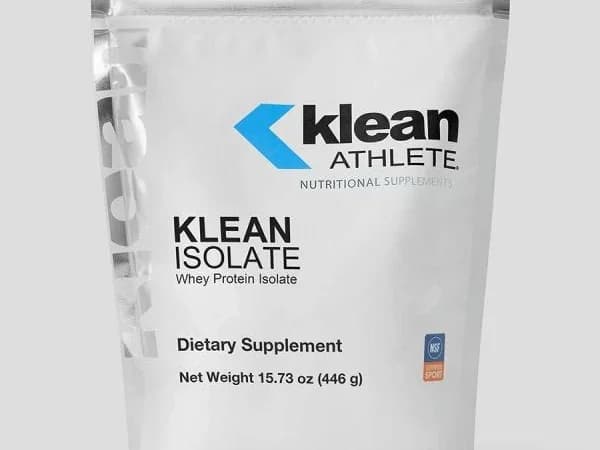
- You're a competitive athlete who needs third-party banned-substance certification: Despite the excellent published COAs, the lack of NSF International or Informed Sport certification means there's no formal banned-substance screening. Ascent Native Fuel or NOW Sports (Informed Sport certified) are safer choices for tested athletes.
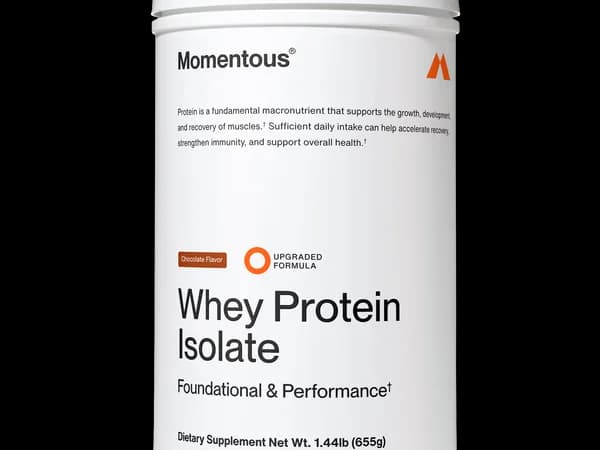
- You prefer flavored protein shakes you can mix with water and drink: Raw Grass Fed Whey mixed with water produces a thin, mildly dairy-flavored liquid that most people would not describe as enjoyable. This product is designed for blending into smoothies, oatmeal, or recipes — not for quick shaker-bottle convenience. If standalone drinkability matters to you, a flavored isolate like Ascent or Momentous will serve you far better.
Bottom Line
Raw Grass Fed Whey is a transparency-first protein powder that delivers exactly what it promises: one ingredient, sourced from grass-fed American dairy, cold-processed, and backed by published lab results. It's the right choice for people who view protein powder as a clean food ingredient rather than a flavored supplement — and at $1.18 per serving, it proves that ingredient purity doesn't have to come with a premium price tag.
FAQ
Why does this use whey concentrate instead of isolate?
The company specifically chose concentrate over isolate because the less aggressive filtration process preserves more of the bioactive compounds naturally present in whey — including immunoglobulins, lactoferrin, and growth factors. Isolate production involves additional filtration steps that strip away fat and lactose but also remove some of these beneficial fractions. The trade-off is that concentrate has slightly more fat, carbs, and lactose per serving, plus a marginally lower protein percentage (around 80% versus 90%+ for isolate). If you're lactose intolerant, this is worth considering — the small amount of residual lactose in concentrate may cause discomfort.
How do the published certificates of analysis compare to NSF or Informed Sport certification?
They serve different but complementary purposes. Raw Grass Fed's COAs verify what's in the product — protein content, heavy metal levels, microbial counts — for your specific batch. NSF and Informed Sport certification go further: they audit the manufacturing facility, verify GMP compliance, and specifically test for banned athletic substances (steroids, stimulants, etc.). Think of COAs as a product-level quality check and formal certification as a system-level quality check. The COAs are valuable and more transparent than what most brands offer, but they don't fully replace the comprehensive oversight of a formal certification program.
Does grass-fed whey actually have nutritional advantages over conventional whey?
The differences are real but modest. Grass-fed dairy contains higher levels of omega-3 fatty acids (roughly 2x), conjugated linoleic acid (2-3x), and fat-soluble vitamins compared to grain-fed dairy. In a whey concentrate that retains some milk fat, these differences carry over. However, the absolute amounts per serving are small — you might get 50-100mg more omega-3s and a fraction of a gram more CLA compared to conventional whey. These aren't going to transform your health. The more compelling argument for grass-fed is about farming practices and animal welfare rather than dramatic nutritional superiority. If those values matter to you, the modest price premium over conventional whey is easy to justify.
Who Is Raw Grass Fed Whey Protein Best For?
Purity-focused buyers who want single-ingredient whey with published heavy metal COAs
The Bottom Line
Raw Organic Whey differentiates through published batch-level COAs that verify heavy metal and contaminant levels. The single-ingredient cold-processed formula is as clean as protein gets. No major certification but the transparent lab testing provides strong safety assurance.
Try Raw Grass Fed Whey Protein TodayKey Specs
Scoring Breakdown
Certification level (NSF Certified for Sport, Informed Sport/Choice, Clean Label Project, Labdoor) and testing rigor
Heavy metal screening results (Consumer Reports data, Clean Label Project Purity Award, published batch COAs), lead/cadmium/arsenic levels
Minimal ingredient count, no artificial sweeteners/colors/fillers, natural flavoring, clean label practices
Protein grams per dollar — calculated from price per serving and protein per serving to identify best value
Protein per serving, amino acid profile, BCAA content, protein source quality (isolate vs concentrate, grass-fed, organic)
Flavor quality, texture, dissolving ease based on aggregated expert reviews and user ratings
Published COAs, ingredient sourcing disclosure, supply chain traceability, formula change communication