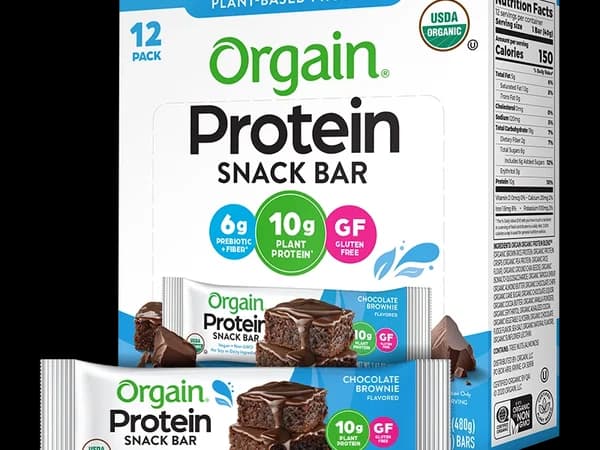

Orgain Organic Protein Bar Chocolate Brownie Review
Orgain delivers USDA Organic certification at a price point (~$1.50/bar) that makes clean eating accessible. The ingredient list is genuinely clean with only 4g sugar. The obvious limitation is 10g protein — this is more of a healthy snack than a serious protein source. Unbeatable value for organic quality.

Orgain Organic Protein Bar Chocolate Brownie Review
Orgain delivers USDA Organic certification at a price point (~$1.50/bar) that makes clean eating accessible. The ingredient list is genuinely clean with only 4g sugar. The obvious limitation is 10g protein — this is more of a healthy snack than a serious protein source. Unbeatable value for organic quality.
Orgain Organic Protein Bar Chocolate Brownie Review
Orgain delivers USDA Organic certification at a price point (~$1.50/bar) that makes clean eating accessible. The ingredient list is genuinely clean with only 4g sugar. The obvious limitation is 10g protein — this is more of a healthy snack than a serious protein source. Unbeatable value for organic quality.

Orgain Organic Protein Bar Chocolate Brownie Pros & Cons
Pros
- USDA Organic certified at an incredibly affordable ~$1.50/bar — best value organic option
- Clean ingredient list with no artificial sweeteners, colors, or preservatives
- Only ~4g sugar per bar from organic sources
Cons
- Only 10g protein per bar — the lowest protein content in this entire comparison
- Organic plant protein has lower bioavailability than whey or egg white
- Lower protein may not satisfy those using bars as a primary protein source
Overview
Orgain Organic Protein Bar in Chocolate Brownie does something that should not be possible at its price point: it delivers USDA Organic certification for roughly $1.50 per bar. In a market where organic protein bars routinely cost $3.00 or more, Orgain undercuts the field by nearly half while maintaining genuinely clean credentials. No artificial sweeteners, no artificial colors, no artificial preservatives. The ingredient list reads like something from a health food co-op, not a mass-market protein bar.
The catch -- and there is always a catch -- is protein content. At 10g per bar, the Orgain delivers the lowest protein count in this entire comparison. That is not a minor footnote; it fundamentally repositions what this product actually is. This is not a serious post-workout recovery tool or a macro-tracker's ally. It is a clean, organic, affordable snack that happens to have some protein. And within that more honest framing, the Orgain is genuinely excellent. The 4g sugar from organic sources sits comfortably in the moderate range, the ingredient quality scores are among the highest in the comparison, and the certifications (USDA Organic, Non-GMO Project Verified) provide third-party validation that most budget bars cannot touch.
This product is best for budget-conscious organic shoppers who want a clean certified bar at the lowest price.
Features Deep-Dive
USDA Organic at a Budget Price Point
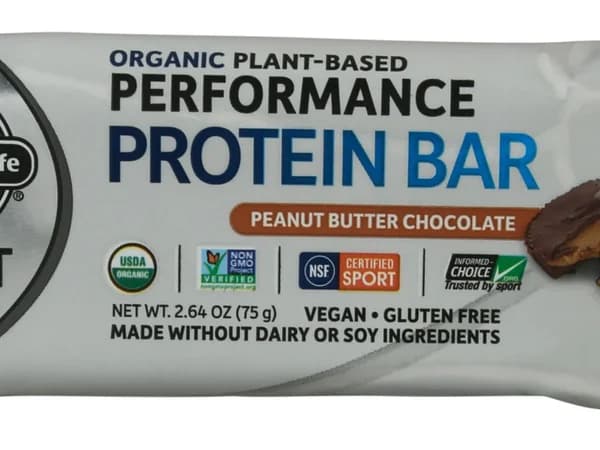
This is Orgain's headline achievement and it deserves scrutiny because it is genuinely unusual. USDA Organic certification is expensive for manufacturers. It requires audited supply chains, compliant processing facilities, annual inspections, and ingredient sourcing that costs materially more than conventional alternatives. Most brands pass those costs to consumers -- GoMacro's organic bars run ~$3.00/bar, Garden of Life Sport is ~$2.50/bar. Orgain absorbs the certification cost through high-volume manufacturing and efficient distribution, resulting in a bar that costs the same as non-organic competitors like KIND ($1.50/bar) while carrying credentials that KIND cannot match. For shoppers who want organic without the organic premium, Orgain has essentially eliminated the cost barrier. The certification also means every agricultural ingredient meets USDA organic standards, including the protein sources, sweeteners, and flavorings.
Protein Source Realism
The organic plant protein blend (brown rice protein and pea protein, typically) provides a complete amino acid profile when combined, but the bioavailability lags behind whey, casein, or egg white sources. Plant proteins generally score lower on PDCAAS measurements and deliver amino acids more slowly, which matters for post-exercise muscle protein synthesis timing. Our protein source quality score of 6.5 reflects this reality: the protein is real and usable, but gram for gram, it is less effective than the whey isolate in Quest or the egg whites in RXBAR. More importantly, 10g total protein is simply not enough to function as a primary recovery source. Exercise science research consistently identifies 20-40g of protein as the threshold for maximizing muscle protein synthesis after training. At 10g, you would need two bars (at 20g total, plus 8g sugar and double the calories) to reach the minimum effective dose. This is not a criticism of Orgain's quality -- it is a clarification of its purpose. This bar is a clean snack, not a workout supplement.
Sugar Profile and Sweetener Integrity
With roughly 4g sugar from organic sources, Orgain occupies a comfortable middle ground. It is not the zero-sugar profile of Quest or think!, but it achieves its sweetness without any artificial sweeteners, sugar alcohols, or synthetic ingredients whatsoever. The sugar comes from organic tapioca syrup and organic cane sugar -- ingredients you can pronounce and understand. This earns Orgain a sugar-sweetener score of 7.5, the third highest in the comparison. For perspective, Quest scores 3.0 (sucralose + erythritol), think! scores 4.5 (sugar alcohols), and only RXBAR (dates) and a few premium options score higher. The 4g of organic sugar is a conscious trade-off: Orgain accepts modest sugar content to avoid the entire artificial sweetener debate. For consumers who view "no artificial sweeteners" as a non-negotiable requirement, Orgain delivers that cleanly.
Pricing Analysis
At roughly $18 for a box of 12 (~$1.50 per bar), Orgain ties with KIND for the lowest per-bar price in this comparison and dramatically undercuts every other organic option in the market. The value equation, however, depends heavily on what you are buying the bar for. On a protein-per-dollar basis, Orgain delivers only 6.7g of protein per dollar -- the lowest efficiency in the comparison by a wide margin. Pure Protein delivers 15g per dollar; Quest delivers 10.1g per dollar. If protein content is your primary metric, Orgain is objectively the worst value.
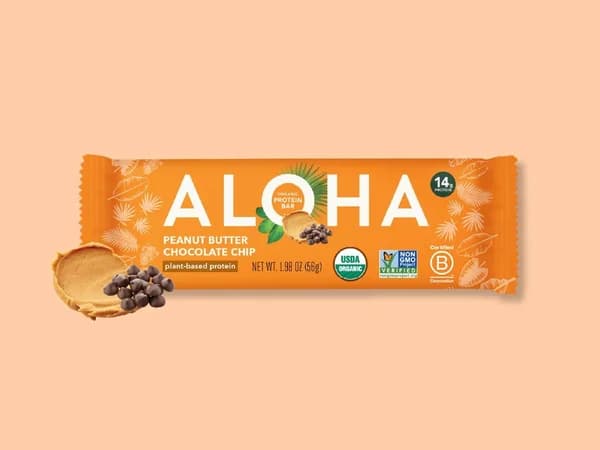
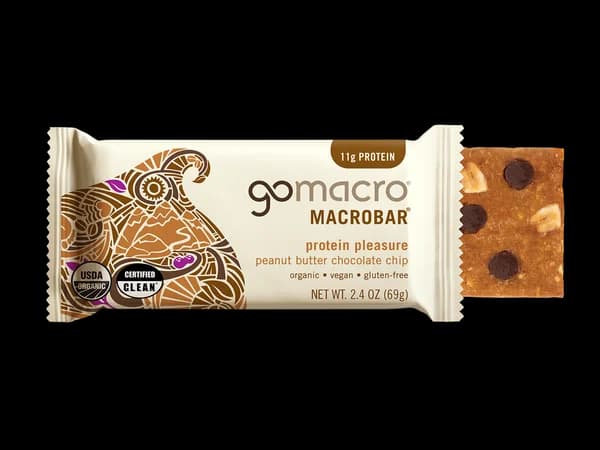
But protein-per-dollar is not the right lens for this product. The relevant comparison is organic-quality-per-dollar, and on that metric, Orgain is unmatched. GoMacro charges roughly double ($3.00/bar) for comparable organic credentials with only slightly more protein (11g). Garden of Life Sport costs ~$2.50/bar. Aloha runs ~$2.50/bar. Orgain delivers 80-90% of their ingredient quality at 50-60% of their price. For the organic-first shopper, this is not a compromise -- it is a genuine bargain.
Who Is This For?
Orgain Organic Protein Bar Chocolate Brownie works best for:
- Budget organic shoppers who refuse to choose between clean ingredients and affordable prices. If organic certification is a requirement for you and not a nice-to-have, Orgain removes the typical price penalty entirely.
- Parents packing school lunches who want a snack bar that is genuinely clean, USDA Organic certified, and affordable enough to buy regularly. The 10g protein is perfectly appropriate for a children's snack, and the ingredient list is one parents can feel good about.
- Afternoon snackers who want something between meals that is clean and moderately filling without being a calorie bomb. The Orgain functions beautifully as a 3 PM desk snack: enough substance to quiet hunger, clean enough to align with health-conscious habits.
- Plant-based eaters who want an organic, vegan-friendly protein bar at a price that does not punish their dietary choices. Most plant-based bars carry a significant premium; Orgain does not.
Who Should NOT Use This
Orgain Organic Protein Bar Chocolate Brownie might not be the right choice if:
- You need serious protein for workout recovery. At 10g protein per bar, Orgain falls well below the 20-40g threshold that exercise science research identifies for effective post-workout muscle protein synthesis. Quest (21g), think! (20g), and Pure Protein (20g) all deliver double the protein for workout-related use.
- You are tracking macros for a fitness goal. The macro balance score of 5.0 reflects a bar that is not optimized for protein-to-calorie efficiency. If you are counting grams and calculating ratios, bars in the 20g+ protein tier serve that purpose far better.
- You expect plant protein to perform identically to whey. Organic plant protein blends have lower bioavailability than whey or egg white sources. If you care about protein quality at the molecular level, the 10g of plant protein in Orgain delivers less usable protein than 10g of whey isolate would.
Bottom Line
Orgain delivers USDA Organic certification at a price point (~$1.50/bar) that makes clean eating accessible to everyone. The ingredient list is genuinely clean with only 4g sugar from organic sources. The honest limitation is 10g protein -- this is a healthy snack, not a serious protein source. For what it actually is, the Orgain is unbeatable value for organic quality.
FAQ
Is Orgain Organic Protein Bar worth the price?
For organic snacking, it is the best value available. At $1.50/bar with USDA Organic certification, Orgain costs less than most conventional protein bars while delivering genuinely clean ingredients. The caveat is that you are buying a clean snack, not a high-protein supplement. If your primary goal is protein content, Pure Protein delivers double the protein for only slightly less money per bar. If your primary goal is organic quality, nothing in this comparison competes with Orgain on value.
How does Orgain compare to other organic bars like GoMacro and Aloha?
Orgain is significantly cheaper (~$1.50/bar vs ~$2.50-$3.00/bar) with comparable organic credentials. The trade-off is protein: GoMacro delivers 11g and Aloha delivers 14g, while Orgain provides 10g. The ingredient quality and certification standards are similar across all three. If you want the most organic bar for the least money and can live with 10g protein, Orgain wins. If you want slightly more protein and are willing to pay the premium, Aloha offers a stronger protein profile in the organic tier.
Is 10g of protein enough to matter?
It depends on the context. For a mid-afternoon snack, 10g of protein is meaningful -- it helps with satiety and provides a modest amino acid contribution to your daily total. For post-workout recovery or as a meal replacement, 10g is insufficient by most sports nutrition standards. The American College of Sports Medicine recommends 20-40g of protein after exercise for optimal recovery. If workout recovery is your use case, you need a bar with twice Orgain's protein content.
Is Orgain suitable for kids?
The Orgain Organic Protein Bar is a solid choice for children's lunches and snacks. The USDA Organic certification, clean ingredient list, and moderate 10g protein content are all age-appropriate. The 4g sugar is lower than most granola bars and juice boxes. The main consideration is allergens -- check the label for your child's specific sensitivities, as plant-based bars can contain various nut and seed ingredients.
Who Is Orgain Organic Protein Bar Chocolate Brownie Best For?
Budget-conscious organic shoppers who want a clean certified bar at the lowest price
The Bottom Line
Orgain delivers USDA Organic certification at a price point (~$1.50/bar) that makes clean eating accessible. The ingredient list is genuinely clean with only 4g sugar. The obvious limitation is 10g protein — this is more of a healthy snack than a serious protein source. Unbeatable value for organic quality.
Try Orgain Organic Protein Bar Chocolate Brownie TodayKey Specs
Scoring Breakdown
Evaluates overall cleanliness of the ingredient list. Penalizes artificial sweeteners (sucralose, acesulfame K), sugar alcohols (erythritol, maltitol, sorbitol), artificial preservatives, artificial colors/flavors, and seed oils. Rewards whole food ingredients, organic certification, and minimal processing.
Assesses the quality and bioavailability of protein sources. Ranks: grass-fed whey isolate > whey concentrate > egg white > collagen > multi-source plant blend > single-source plant protein. Considers amino acid completeness and digestibility (PDCAAS score).
Analyzes total sugar content and sweetener types. Penalizes high sugar (>8g), sugar alcohols, and artificial sweeteners. Rewards natural sweeteners (dates, honey, monk fruit) and low total sugar while maintaining palatability.
Evaluates protein-to-calorie ratio, fiber content (3g+ preferred), and overall macronutrient distribution. Higher protein per calorie scores better. Balanced fat content and adequate fiber are preferred.
Third-party certifications including USDA Organic, Non-GMO Project Verified, NSF Certified for Sport, Informed Sport, Kosher, B Corp status, and independent lab testing verification.
Based on aggregated consumer reviews, expert taste tests, and texture assessments across major review sources. Considers flavor variety, chewiness vs. chalkiness, and overall enjoyment.
Full ingredient disclosure, clear allergen labeling, sourcing information (e.g., grass-fed, organic origin), nutritional claim accuracy, and company transparency practices.