
Barebells Cookies & Cream Protein Bar Review
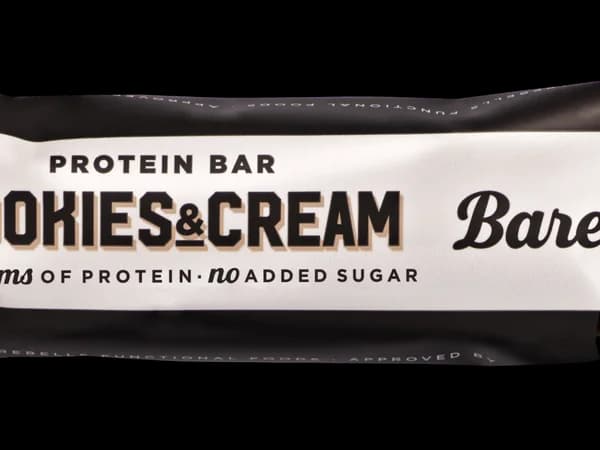
Barebells is arguably the best-tasting protein bar on the market — it genuinely tastes like a candy bar. The 20g protein and 1g sugar macros are excellent. The catch is maltitol in the coating, which dings ingredient purity and sugar profile scores. If you prioritize taste and macros over ingredient purity, Barebells wins.

Barebells Cookies & Cream Protein Bar Review
Barebells is arguably the best-tasting protein bar on the market — it genuinely tastes like a candy bar. The 20g protein and 1g sugar macros are excellent. The catch is maltitol in the coating, which dings ingredient purity and sugar profile scores. If you prioritize taste and macros over ingredient purity, Barebells wins.
Barebells Cookies & Cream Protein Bar Review
Barebells is arguably the best-tasting protein bar on the market — it genuinely tastes like a candy bar. The 20g protein and 1g sugar macros are excellent. The catch is maltitol in the coating, which dings ingredient purity and sugar profile scores. If you prioritize taste and macros over ingredient purity, Barebells wins.

Barebells Cookies & Cream Protein Bar Pros & Cons
Pros
- Exceptional taste that rivals actual candy bars — consistently top-rated for flavor
- 20g whey protein with only 1g sugar makes for an outstanding macro profile
- Swedish-designed with a satisfying chocolate coating and creamy center
Cons
- Contains maltitol in the chocolate coating — a sugar alcohol that can cause digestive issues
- No USDA Organic, NSF, or other major health-focused certifications
- Ingredient list includes several processed additives beyond the maltitol
Overview
Barebells has done something that most protein bar manufacturers claim but few actually deliver: they made a protein bar that genuinely tastes like a candy bar. The Cookies & Cream flavor specifically nails the Oreo-adjacent experience with a smooth chocolate coating over a creamy, cookie-studded center. The macros back up the hype too — 20g of whey protein with only 1g of sugar is a profile that competes with the cleanest bars in this comparison.
The catch, and it is a meaningful one, is maltitol. This sugar alcohol is what enables that impressively low sugar count while preserving candy-bar sweetness, but it comes with well-documented digestive side effects for a significant portion of users. Maltitol also has a higher glycemic index than other sugar alcohols like erythritol or allulose, which partially undermines the low-sugar label.
Barebells is a Swedish brand that built its reputation in Scandinavian fitness culture before expanding globally. The product design reflects that heritage — clean packaging, premium positioning, and a focus on making protein supplementation feel like a treat rather than a chore. If your priority hierarchy is taste first, macros second, and ingredient purity third, Barebells sits in a category of one.
Features Deep-Dive
Taste and Texture Experience
The reason Barebells dominates taste discussions in the protein bar space is the chocolate coating. It is actual chocolate — not the waxy, chalky compound coating that most protein bars use. The shell has a satisfying snap, and beneath it the filling manages to be creamy without the dense, chewy resistance typical of high-protein bars. Cookie pieces distributed throughout add textural variety that prevents the one-note experience common in this category.
Compared to Quest or Pure Protein, which lean toward a taffy-like chew, Barebells feels closer to a Three Musketeers bar. The mouthfeel is lighter and dissolves more readily. This is not a bar you have to work through — it is one you genuinely want to finish.
The Cookies & Cream flavor specifically avoids the artificial vanilla note that plagues many cookie-flavored protein products. The balance between chocolate and cream elements feels considered rather than chemistry-lab approximated.
Protein Source and Macro Profile
Barebells uses a whey protein blend — a combination of whey protein concentrate and milk protein that provides high bioavailability and a complete amino acid profile. At 20g per bar, this matches or exceeds most competitors in the mid-range tier. The whey source absorbs faster than plant alternatives like the pea-rice blends in No Cow, making Barebells a practical post-workout option.
The 1g sugar figure looks exceptional on paper, and the overall macro breakdown (roughly 200 calories, 20g protein, 16g fat, 20g carbs) shows strong protein density. However, the carbohydrate count includes sugar alcohols that are technically carbs even if they do not fully metabolize. The net carb calculation depends on how your body processes maltitol — which varies significantly between individuals.
For comparison, RXBAR delivers 12g protein with 12g sugar. Built Bar hits 17g protein with 4g sugar. Barebells wins on both protein content and sugar count, but the asterisk is how you feel about sugar alcohols doing the heavy lifting.
The Maltitol Question
This is the elephant in the room with Barebells. Maltitol is a sugar alcohol that provides about 75% of the sweetness of sugar with roughly half the calories. It is widely used in sugar-free candies and has a long safety record, but it also has a well-earned reputation for causing bloating, gas, and digestive discomfort — particularly when consumed in the quantities present in a full protein bar.
The glycemic index of maltitol is approximately 36, which is meaningfully higher than erythritol (near zero) or allulose (near zero). For consumers managing blood sugar, maltitol does provoke some glycemic response despite the "1g sugar" label. This is an area where label reading requires more nuance than most bars demand.
Some users tolerate maltitol without issue. Others cannot eat a full Barebells bar without consequences. There is no way to predict which camp you fall into without trying it. If you already know sugar alcohols bother you, this is a clear pass regardless of how good the bar tastes.
Pricing Analysis
At approximately $2.58 per bar ($31 for a box of 12), Barebells lands at the upper end of the mid-range protein bar tier. This is noticeably more expensive than Pure Protein ($1.25/bar) or No Cow ($2.25/bar), but comparable to RXBAR ($2.33/bar) which delivers less protein per dollar. Per gram of protein, Barebells costs roughly $0.13/g — competitive for a bar that markets itself as a premium experience.
The premium pricing reflects positioning more than ingredient cost. You are paying for the Swedish brand cachet and the genuinely superior taste experience. Whether that premium is justified depends on whether taste is what makes you consistently eat your protein bar rather than letting a box expire in a cabinet. For many users, a bar they actually look forward to eating provides more practical value than a cheaper bar they skip.
Bulk purchasing through Amazon Subscribe & Save or buying directly from Barebells can bring the per-bar cost closer to $2.25, which makes the value proposition more competitive.
Who Is This For?
Barebells Cookies & Cream Protein Bar works best for:
-
Taste-driven protein supplementers who have tried and abandoned other bars because they taste like cardboard or chalk. If you need your protein bar to be something you crave rather than tolerate, Barebells is the benchmark. The candy-bar experience makes consistent daily consumption easy.
-
Macro-focused gym-goers who track protein and sugar closely and want a convenient option with 20g protein at only 1g sugar. The whey protein source absorbs well post-workout, and the calorie density is reasonable for a snack that doubles as a treat.
-
Afternoon snack replacers who currently reach for actual candy bars or cookies and want a higher-protein alternative that does not feel like a sacrifice. Barebells is the bar most likely to satisfy a genuine sweet tooth without the sugar crash.
-
Travelers and busy professionals who need shelf-stable, portion-controlled protein that does not require refrigeration and actually tastes good enough to eat on a flight or between meetings.
Who Should NOT Use This
Barebells Cookies & Cream Protein Bar might not be the right choice if:
-
You are sensitive to sugar alcohols. Maltitol causes digestive distress in a meaningful percentage of users. If you know sugar-free candies bother your stomach, do not spend $31 discovering the same applies here. Try a single bar before committing to a box.
-
You prioritize ingredient purity above all else. Barebells contains maltitol, palm oil, polydextrose, and several emulsifiers. If you want a bar where you recognize every ingredient — the way you would with RXBAR or KIND — this is not the product for you. The taste comes from formulation science, not whole-food simplicity.
-
You need third-party certifications. Barebells carries no NSF for Sport, USDA Organic, or Non-GMO Project verification. Athletes subject to banned substance testing should look at Garden of Life Sport or other NSF-certified options instead.
Bottom Line
Barebells Cookies & Cream earns its reputation as the best-tasting protein bar available. The chocolate coating is real, the texture is genuinely enjoyable, and the 20g protein with 1g sugar macro profile is hard to beat on paper. This is the bar that converts people who say they do not like protein bars.
The trade-off is clear and non-negotiable: maltitol makes this taste possible, and maltitol causes problems for some digestive systems. The ingredient list is longer and more processed than whole-food alternatives. No certifications validate the sourcing or manufacturing. You are choosing an optimized eating experience over ingredient transparency, and that is a perfectly valid choice as long as it is an informed one.
FAQ
Does Barebells actually taste like a candy bar?
It is the closest any protein bar gets. The chocolate coating has real snap, the filling is creamy rather than chewy, and the overall sweetness level matches mainstream candy. Side-by-side with a Milky Way, most people would identify Barebells as slightly less sweet and denser, but the gap is genuinely small compared to every other protein bar in this comparison.
Will maltitol cause stomach issues?
It depends entirely on your individual tolerance. Roughly 30-50% of people experience some bloating, gas, or laxative effects from maltitol in the quantities found in protein bars. If you handle sugar-free gum and candy without issue, you will likely be fine. If those products bother you, expect similar results here. Start with one bar before buying a case.
How does Barebells compare to Quest bars?
Quest uses soluble corn fiber and erythritol instead of maltitol, which is generally easier on digestion. Quest also has more protein (21g) but a drier, chewier texture that many find less enjoyable. Barebells wins decisively on taste and texture; Quest wins on ingredient tolerance and digestive comfort. Both deliver strong macros.
Is Barebells good for post-workout recovery?
The whey protein base makes it a reasonable post-workout option. Twenty grams of whey provides a solid amino acid bolus for muscle protein synthesis. It is not a replacement for a full post-workout meal, but as a convenient bridge between the gym and dinner, it serves the purpose well — and you will actually want to eat it, which matters more than most people admit.
Are there better-tasting flavors than Cookies & Cream?
Cookies & Cream and Salty Peanut are consistently the top-rated Barebells flavors. Caramel Cashew is a close third. The White Chocolate Almond divides opinion. Avoid the seasonal or limited-edition flavors until you know you like the base product — quality varies more in those releases.
Who Is Barebells Cookies & Cream Protein Bar Best For?
Taste-first consumers who want the best-tasting high-protein bar and can tolerate sugar alcohols
The Bottom Line
Barebells is arguably the best-tasting protein bar on the market — it genuinely tastes like a candy bar. The 20g protein and 1g sugar macros are excellent. The catch is maltitol in the coating, which dings ingredient purity and sugar profile scores. If you prioritize taste and macros over ingredient purity, Barebells wins.
Try Barebells Cookies & Cream Protein Bar TodayKey Specs
Scoring Breakdown
Evaluates overall cleanliness of the ingredient list. Penalizes artificial sweeteners (sucralose, acesulfame K), sugar alcohols (erythritol, maltitol, sorbitol), artificial preservatives, artificial colors/flavors, and seed oils. Rewards whole food ingredients, organic certification, and minimal processing.
Assesses the quality and bioavailability of protein sources. Ranks: grass-fed whey isolate > whey concentrate > egg white > collagen > multi-source plant blend > single-source plant protein. Considers amino acid completeness and digestibility (PDCAAS score).
Analyzes total sugar content and sweetener types. Penalizes high sugar (>8g), sugar alcohols, and artificial sweeteners. Rewards natural sweeteners (dates, honey, monk fruit) and low total sugar while maintaining palatability.
Evaluates protein-to-calorie ratio, fiber content (3g+ preferred), and overall macronutrient distribution. Higher protein per calorie scores better. Balanced fat content and adequate fiber are preferred.
Third-party certifications including USDA Organic, Non-GMO Project Verified, NSF Certified for Sport, Informed Sport, Kosher, B Corp status, and independent lab testing verification.
Based on aggregated consumer reviews, expert taste tests, and texture assessments across major review sources. Considers flavor variety, chewiness vs. chalkiness, and overall enjoyment.
Full ingredient disclosure, clear allergen labeling, sourcing information (e.g., grass-fed, organic origin), nutritional claim accuracy, and company transparency practices.