
Pedialyte AdvancedCare Plus Review
Pedialyte is the undisputed standard for medical rehydration, trusted by hospitals worldwide. The AdvancedCare Plus formula adds prebiotics for gut support. However, artificial sweeteners and dyes significantly lower its ingredient quality score for health-conscious daily use.

Pedialyte AdvancedCare Plus Review
Pedialyte is the undisputed standard for medical rehydration, trusted by hospitals worldwide. The AdvancedCare Plus formula adds prebiotics for gut support. However, artificial sweeteners and dyes significantly lower its ingredient quality score for health-conscious daily use.
Pedialyte AdvancedCare Plus Review
Pedialyte is the undisputed standard for medical rehydration, trusted by hospitals worldwide. The AdvancedCare Plus formula adds prebiotics for gut support. However, artificial sweeteners and dyes significantly lower its ingredient quality score for health-conscious daily use.

Pedialyte AdvancedCare Plus Pros & Cons
Pros
- Medical-grade rehydration formula backed by decades of pediatric clinical use
- PreActiv prebiotics support gut health during illness recovery
- Trusted by hospitals and pediatricians — the gold standard for dehydration treatment
Cons
- Contains artificial sweeteners (sucralose and acesulfame potassium)
- Includes artificial flavors and dyes (Red 40, Blue 1) in some varieties
- Medicinal taste profile — not designed for everyday enjoyment
Overview
Pedialyte AdvancedCare Plus is not trying to be your daily hydration companion, and that is the most important thing to understand about it. This is a medical-grade rehydration product manufactured by Abbott Laboratories, the same company behind hospital-standard nutritional formulas. It exists because dehydration from illness, whether gastroenteritis in a toddler or a brutal stomach bug in an adult, can be dangerous, and the World Health Organization's oral rehydration science has proven that specific ratios of sodium, glucose, and water can rehydrate the body more effectively than water alone.
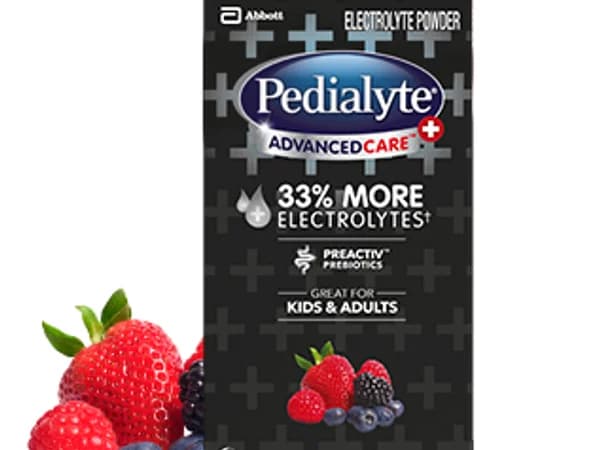
The AdvancedCare Plus formula builds on decades of pediatric clinical data with the addition of PreActiv prebiotics, which support gut health during and after illness. The electrolyte profile is serious: 490mg of sodium per serving puts it in the upper tier alongside products like DripDrop and Liquid I.V., but with a medical pedigree that the sports-drink crossovers cannot match. When a pediatrician tells you to give your sick child Pedialyte, there is a reason they do not say Gatorade.
The trade-off is everything else. Pedialyte contains sucralose and acesulfame potassium, artificial sweeteners that a growing number of consumers actively avoid. Some varieties include artificial colors like Red 40 and Blue 1, which have faced scrutiny over potential health effects. The taste is functional rather than enjoyable, a medicinal quality that signals "this is medicine" rather than "this is a refreshing drink." And at $2.00 per serving, it is the most expensive option in this comparison. Pedialyte is the product you reach for when you need it, not the one you sip because you want to.
Features Deep-Dive
Medical-Grade Rehydration Science
Pedialyte's formulation is built on the World Health Organization's oral rehydration therapy (ORT) framework, a body of research that has saved millions of lives in developing countries where dehydration from diarrheal disease remains a leading cause of mortality. The core principle is that glucose and sodium, delivered in a specific ratio, activate a co-transport mechanism in the small intestine that pulls water into the bloodstream faster than water alone.
This is not marketing language; it is established physiology. The glucose-sodium co-transport mechanism has been validated in clinical trials spanning decades. Pedialyte's formulation targets the optimal ratio for this mechanism, which is why it rehydrates more effectively than drinking equivalent volumes of plain water, sports drinks, or homemade salt-and-sugar solutions. The 490mg of sodium per serving, combined with a controlled glucose level, creates conditions for maximum intestinal water absorption.
The distinction between Pedialyte and sports drinks like Gatorade is not just branding. Gatorade contains significantly more sugar and less sodium per serving, optimizing for taste and energy during exercise rather than clinical rehydration. Pedialyte sacrifices palatability for efficacy, a trade-off that makes sense when the goal is recovering from illness rather than fueling a workout. Hospitals and urgent care facilities stock Pedialyte, not Gatorade, for a reason.
PreActiv Prebiotics for Gut Recovery
The AdvancedCare Plus variant adds PreActiv prebiotics to the standard Pedialyte formula, targeting the gut microbiome during and after illness. Prebiotics are non-digestible fibers that feed beneficial bacteria in the gut, supporting the restoration of healthy gut flora that illness often disrupts. This is particularly relevant during and after gastrointestinal illness, when the gut microbiome is most vulnerable.
The science behind prebiotic supplementation during illness recovery is legitimate if still evolving. Studies have shown that maintaining gut microbiome diversity during antibiotic use and gastrointestinal illness can reduce recovery time and the severity of secondary symptoms like bloating and irregular digestion. Whether the specific prebiotic dose in Pedialyte is sufficient to produce clinically meaningful effects in isolation is less clear, but the directional logic is sound: supporting gut bacteria during their most stressed period is unlikely to hurt and may help.
For parents, this feature adds practical value during the stressful experience of managing a sick child. The knowledge that the rehydration product is also supporting gut recovery provides a degree of reassurance that plain water or a basic electrolyte mix does not. It is a small feature, but in the context of illness management, small reassurances matter.
Multiple Formats for Different Scenarios
Pedialyte is available in several formats, each targeting a different use case. The powder packets ($11.99 for 6 packets at $2.00 per serving) are the most portable and shelf-stable, ideal for keeping in a medicine cabinet, a diaper bag, or a travel kit. The ready-to-drink bottles provide immediate hydration without preparation but are heavier and more expensive per ounce. Freezer pops exist for children who refuse to drink liquids during illness, offering a different delivery mechanism for the same rehydration formula.
The powder packets dissolve in 8 ounces of water and are available in several flavors, though "flavor" is a generous description for some of them. The Berry Frost and Strawberry Lemonade varieties are the most palatable for adults. The unflavored variety exists for mixing into other beverages but retains the characteristic salty, slightly sweet medicinal profile. Ready-to-drink bottles skip the mixing step entirely, which matters at 3am when a child is vomiting and a parent is exhausted.
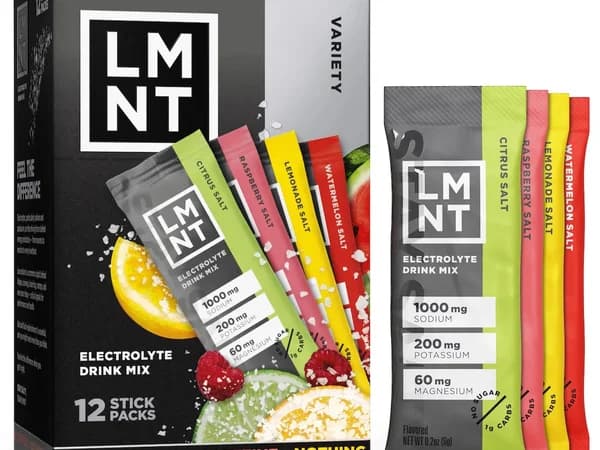
The variety of formats is a genuine advantage over competitors. DripDrop offers only powder. LMNT offers only powder. Pedialyte meets you wherever you are in the illness-management process: packets for preparation, bottles for immediacy, freezer pops for reluctant children. This format breadth reflects decades of iterating on real-world pediatric care needs.
Pricing Analysis
At $11.99 for 6 powder packets ($2.00 per serving), Pedialyte AdvancedCare Plus is the most expensive electrolyte product in this comparison on a per-serving basis. For context, LMNT costs $1.83, Ultima costs $1.05 in stick packs, and Propel costs $0.35. The ready-to-drink bottles are even more expensive per ounce, though they include the convenience of zero preparation.
The pricing reflects Pedialyte's positioning as a medical product rather than a daily supplement. You are not buying electrolyte water; you are buying a clinically validated rehydration formula backed by one of the largest pharmaceutical-adjacent companies in the world. Abbott Laboratories' manufacturing standards, quality control, and clinical testing infrastructure are built into the price. Whether that premium is justified depends on your use case.
For illness recovery, the cost is essentially irrelevant. If your child has a stomach virus, you are not comparison shopping between Pedialyte and Propel. You want the product that hospitals trust, and you want it now. For that scenario, $2.00 per serving is trivially cheap relative to urgent care copays and the peace of mind that comes from using the right product. For everyday hydration, however, the calculus reverses entirely. Using Pedialyte daily would cost $60 per month, which is absurd for a product that contains artificial sweeteners and dyes and offers no advantage over cleaner, cheaper alternatives for routine use.
Who Is This For?
Pedialyte AdvancedCare Plus works best for:
- Parents managing childhood illness who need the rehydration product that pediatricians specifically recommend, with decades of clinical validation behind it and multiple formats designed around the realities of caring for a sick child at 3am
- Adults recovering from gastroenteritis, food poisoning, or severe hangovers who need rapid, high-sodium rehydration that follows WHO oral rehydration principles and provides genuinely faster fluid absorption than water alone
- Medicine cabinet preppers who want to keep a shelf-stable rehydration product on hand for illness emergencies, where the powder packets last years unopened and provide immediate access to clinical-grade rehydration without a pharmacy run
- Post-surgical or post-procedure patients whose doctors recommend oral rehydration therapy during recovery, particularly after procedures involving fasting, anesthesia, or fluid loss
Who Should NOT Use This
Pedialyte AdvancedCare Plus might not be the right choice if:
- You want a daily hydration product with clean ingredients because sucralose, acesulfame potassium, and artificial colors like Red 40 and Blue 1 are present in many Pedialyte varieties, making it a poor fit for health-conscious consumers who actively avoid these ingredients in their everyday supplements
- You are looking for a cost-effective daily electrolyte supplement since $2.00 per serving is 4-6 times the cost of alternatives like Propel or Nuun that deliver adequate electrolytes for everyday use, making Pedialyte financially unsustainable as a routine purchase
- You prioritize taste and daily drinkability because Pedialyte's flavor profile is deliberately functional, with a medicinal, salty-sweet character that most people tolerate rather than enjoy, which is fine for a few days of illness but unpleasant as a daily beverage choice
Bottom Line
Pedialyte AdvancedCare Plus is the right product in the right situation, and the wrong product in every other situation. For illness recovery, severe dehydration, and pediatric care, nothing in this comparison matches its clinical validation, format variety, and rehydration efficacy. The PreActiv prebiotics add a thoughtful layer of gut support during the recovery process. But the artificial sweeteners, artificial colors, medicinal taste, and premium pricing make it entirely unsuitable as a daily electrolyte product. Keep it in your medicine cabinet. Reach for it when someone is sick. Use something else the rest of the time.
FAQ
Is Pedialyte just for children, or can adults use it?
Pedialyte was originally developed for pediatric use, but the rehydration science applies identically to adults. The WHO oral rehydration framework does not distinguish by age; the sodium-glucose co-transport mechanism works the same in a 3-year-old and a 30-year-old. Abbott has increasingly marketed Pedialyte to adults for illness recovery and hangover management, and the dosing simply scales up. An adult typically needs two to three servings during an illness episode where a child might need one. There is no medical reason to avoid Pedialyte as an adult; the "for kids" perception is historical branding, not a formulation limitation.
Why does Pedialyte contain artificial sweeteners if it is a medical product?
The artificial sweeteners (sucralose and acesulfame potassium) serve a specific purpose: making the product palatable enough that sick children will actually drink it. A clinically optimal rehydration solution without any sweetening would taste aggressively salty and barely drinkable. Sugar could be used instead, as it is in WHO oral rehydration salts, but it would add calories and potentially worsen diarrhea in some illness scenarios. Abbott chose artificial sweeteners as the compromise between palatability and keeping the formula low-calorie and low-sugar. It is a pragmatic choice, not an ideal one, and it is the primary reason health-conscious consumers who are not actively ill should use a different product for daily hydration.
How does Pedialyte compare to DripDrop for illness recovery?
Both products target clinical rehydration, but they approach it differently. Pedialyte has the longer track record, the broader format availability (powder, liquid, freezer pops), the pediatric specialization, and the hospital trust factor. DripDrop was developed by a doctor who worked on oral rehydration solutions for disaster relief and tends to taste slightly better, with a less medicinal profile. DripDrop also avoids artificial colors, though it does use sucralose. For pure rehydration efficacy, both products are built on the same WHO science and will perform similarly. The choice often comes down to taste preference and whether you need the pediatric-specific formats (freezer pops, ready-to-drink bottles) that only Pedialyte offers.
Who Is Pedialyte AdvancedCare Plus Best For?
Illness recovery and clinical dehydration — the medical-grade rehydration standard
The Bottom Line
Pedialyte is the undisputed standard for medical rehydration, trusted by hospitals worldwide. The AdvancedCare Plus formula adds prebiotics for gut support. However, artificial sweeteners and dyes significantly lower its ingredient quality score for health-conscious daily use.
Try Pedialyte AdvancedCare Plus TodayKey Specs
Scoring Breakdown
Full ingredient disclosure with exact amounts, no proprietary blends, third-party testing/certifications (NSF, Informed Sport)
Sodium/potassium/magnesium/calcium balance and total electrolyte content per serving, optimized ratios
Natural ingredients, absence of artificial sweeteners/colors/fillers, clean label score, real food sourcing
Added sugar per serving — lower scores for high added sugar, bonus for natural sweeteners or zero sugar
Flavor quality, dissolves easily, no gritty texture or chalky aftertaste, based on aggregated user reviews
Cost per serving relative to electrolyte content and ingredient quality, subscription/bulk discounts factored
Range of use cases (daily hydration, sports, recovery, medical), flavor variety, format options