
Cure Hydrating Electrolyte Mix Review
Cure takes a whole-food approach to electrolytes with organic coconut water as the base. The ingredient quality is high and the taste is pleasant, but the electrolyte content is moderate. Best for everyday hydration rather than intense athletic performance.

Cure Hydrating Electrolyte Mix Review
Cure takes a whole-food approach to electrolytes with organic coconut water as the base. The ingredient quality is high and the taste is pleasant, but the electrolyte content is moderate. Best for everyday hydration rather than intense athletic performance.
Cure Hydrating Electrolyte Mix Review
Cure takes a whole-food approach to electrolytes with organic coconut water as the base. The ingredient quality is high and the taste is pleasant, but the electrolyte content is moderate. Best for everyday hydration rather than intense athletic performance.

Cure Hydrating Electrolyte Mix Pros & Cons
Pros
- Made with organic coconut water and pink Himalayan salt for a whole-food base
- No artificial sweeteners, flavors, or colors — plant-based ingredients
- Convenient stick-pack format with pleasant, not-too-sweet taste
Cons
- Contains 4g sugar per serving from organic coconut water and cane sugar
- Lower electrolyte content than performance-focused competitors
- Premium pricing for the amount of electrolytes delivered per serving
Overview
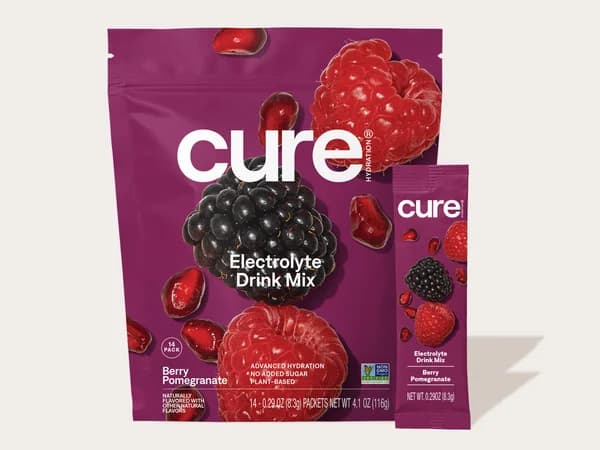
Cure Hydrating Electrolyte Mix takes the position that electrolyte supplementation should feel less like taking a supplement and more like drinking something your body actually recognizes as food. The formula is built on an organic coconut water base -- a whole-food source of potassium and natural electrolytes -- with pink Himalayan salt providing sodium and trace minerals. No artificial sweeteners, no artificial flavors, no artificial colors. The ingredient list is short, pronounceable, and certified organic.
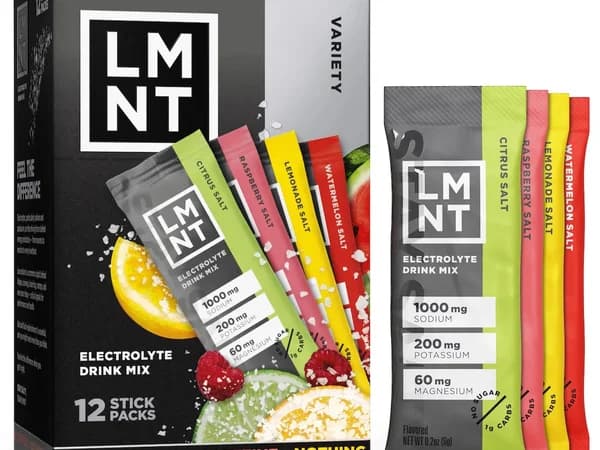
This whole-food philosophy produces a product with a genuinely distinctive character. At 4g of sugar per serving from organic sources, Cure sits in the narrow gap between zero-sugar products like LMNT and higher-sugar options like Liquid I.V. (11g) or Skratch Labs (9g). The electrolyte content is moderate -- enough for everyday hydration support but not calibrated for heavy athletic performance or acute dehydration recovery. The B-Corp certification reflects a brand built around values-driven purchasing, and the price ($1.71 per serving) reflects the cost of sourcing organic, plant-based ingredients in convenient stick-pack format. Cure is not trying to be the most potent electrolyte product or the cheapest. It is trying to be the cleanest, and for a specific consumer who prioritizes ingredient purity above all else, it succeeds.
Features Deep-Dive
Organic Coconut Water Base
Cure's most distinctive formulation choice is using organic coconut water powder as its primary base ingredient rather than synthetic electrolyte compounds. Coconut water is naturally rich in potassium (roughly 400-600mg per cup in liquid form) and contains smaller amounts of sodium, magnesium, and calcium. By using this as the foundation and supplementing with pink Himalayan salt for additional sodium, Cure delivers electrolytes through a whole-food matrix rather than through isolated mineral salts.
The practical difference between coconut water-derived electrolytes and lab-produced sodium citrate or potassium chloride is debatable from a pure bioavailability standpoint -- your body absorbs sodium ions the same way regardless of whether they came from Himalayan salt or sodium chloride. Where the coconut water base genuinely matters is in the accompanying nutrient profile: the small amounts of naturally occurring amino acids, antioxidants, and phytonutrients that come along with a food-based ingredient. Whether these trace compounds provide meaningful health benefits at the concentrations present in a single serving is an open question, but they represent ingredients your body has evolved to process as food rather than as isolated chemical compounds. For consumers who apply a whole-food philosophy to their supplement choices, this distinction carries real weight.
Pink Himalayan Salt and Mineral Content
The sodium in Cure comes from pink Himalayan salt rather than refined table salt or sodium citrate. Pink Himalayan salt contains the same sodium chloride as any salt but includes trace amounts of over 80 minerals -- iron (which gives it the pink color), calcium, magnesium, and potassium among them. The total electrolyte content per serving is moderate: the sodium, potassium, and magnesium levels are sufficient for everyday hydration support during normal activity but fall short of what performance-focused products deliver.
It is worth being honest about the trace mineral claims. The quantities of additional minerals in pink Himalayan salt are genuinely trace -- we are talking about parts per million for most of them. You would need to consume unrealistic amounts of salt to get a nutritionally significant dose of iron or zinc from this source alone. The value of pink Himalayan salt in this context is less about delivering meaningful quantities of exotic minerals and more about using a less-processed sodium source that aligns with the clean-ingredient philosophy. It is not a health disadvantage compared to refined salt, and some consumers prefer it on principle, but the mineral diversity should not be overstated as a significant functional benefit.
Plant-Based, Clean-Label Commitment
Cure's ingredient list reads like a short grocery list: organic coconut water powder, organic cane sugar, citric acid, pink Himalayan salt, organic flavor. Every ingredient is plant-based. There are no artificial sweeteners (no stevia, sucralose, or erythritol), no artificial colors, no artificial flavors, and no "proprietary blends" obscuring what you are actually consuming. The product is USDA Organic certified, non-GMO, vegan, gluten-free, and soy-free.
The B-Corp certification adds a layer of corporate accountability that goes beyond ingredient sourcing. B-Corp status requires meeting verified standards for social and environmental performance, transparency, and accountability. Fewer than a handful of electrolyte brands in our roundup carry this certification, and for values-driven consumers who factor corporate ethics into purchasing decisions, it is a meaningful differentiator. The combination of organic certification, clean-label formulation, and B-Corp status positions Cure as the electrolyte product for consumers who approach supplement purchases with the same scrutiny they apply to organic groceries.
Stick-Pack Convenience and Taste Profile
Cure ships in individual stick packs -- the same format used by Liquid I.V. and DripDrop -- which provides genuine grab-and-go convenience. Tear the packet, pour it into 8-12 ounces of water, stir or shake, and drink. The 14-count box is compact enough for a travel bag, gym bag, or desk drawer, and the individual packets eliminate the mess and measurement guesswork of bag-format products like Skratch Labs.
The taste is subtle and pleasant -- lightly sweet with a mild coconut undertone and none of the aggressive sweetness that characterizes higher-sugar products. At 4g of sugar, the sweetness is barely noticeable compared to Liquid I.V.'s candy-like flavor profile. This restraint is intentional: Cure is designed to taste like lightly enhanced water rather than a flavored beverage. Flavor options are more limited than mass-market competitors -- expect Berry, Grapefruit, Lemon, and a few seasonal varieties rather than the 15+ options Liquid I.V. offers. For consumers who prefer a light, clean taste and do not need their electrolyte mix to double as a flavored drink, the subtlety is a feature. For anyone who needs strong flavor to motivate hydration, the mildness may feel underwhelming.
Pricing Analysis
At $23.99 for 14 stick packs, Cure costs $1.71 per serving -- the highest per-serving price among the mid-range products in our roundup and close to the premium pricing of LMNT ($1.83). For that price, you get organic certified ingredients, a coconut water base, pink Himalayan salt, and B-Corp certified production. What you do not get is a particularly high electrolyte density: the sodium, potassium, and magnesium per serving are moderate, meaning you are paying a premium more for ingredient sourcing quality than for raw electrolyte content.
The value equation depends entirely on what you are optimizing for. If you measure value by electrolyte milligrams per dollar, Cure is one of the least efficient options in our roundup -- Redmond Re-Lyte delivers far more electrolytes per serving at roughly a third of the per-serving cost in bulk format. If you measure value by ingredient quality and ethical sourcing per dollar, Cure competes favorably with any product on the market. The 14-count box also means you get fewer servings per purchase than competitors like DripDrop (32 sticks) or Liquid I.V. (16 sticks at a lower per-serving cost), which amplifies the feeling of premium pricing. Subscription options on Cure's website typically offer 15-20% discounts, bringing the effective per-serving cost closer to $1.40 -- more palatable but still above average.
Who Is This For?
Cure Hydrating Electrolyte Mix works best for:
-
Whole-food supplement purists who apply grocery-store standards to their hydration: If you buy organic produce, read every ingredient label, avoid processed foods, and apply the same scrutiny to supplements as you do to meals, Cure is the electrolyte product that meets your standard. The organic coconut water base, pink Himalayan salt, and USDA Organic certification mean you are not adding synthetic compounds, artificial sweeteners, or ambiguous "natural flavors" to your water. This is the electrolyte mix for people who would rather drink plain water than put something questionable in it.
-
Everyday hydration seekers who want gentle electrolyte support: If your electrolyte needs are modest -- office work, light exercise, mild dehydration from travel or dry climates -- Cure's moderate electrolyte content is well-calibrated for these scenarios without overshooting into unnecessary sodium or sugar territory. You do not need 1000mg of sodium for a desk job, and Cure does not pretend you do. The 4g of sugar is low enough that daily use does not meaningfully impact sugar intake goals.
-
Values-driven consumers who factor corporate ethics into purchases: The B-Corp certification, organic sourcing, and plant-based formulation appeal to consumers who consider environmental and social impact alongside product efficacy. If you choose brands partly based on how they operate as companies -- not just what they put in the package -- Cure's certified commitments carry weight that marketing claims from larger brands do not.
Who Should NOT Use This
Cure Hydrating Electrolyte Mix might not be the right choice if:
-
You need performance-level electrolyte replenishment: For heavy sweaters, endurance athletes, keto dieters, or anyone dealing with acute dehydration, Cure's moderate electrolyte content is simply not enough. The sodium, potassium, and magnesium per serving are designed for everyday hydration support, not for replacing significant electrolyte losses from intense exercise, illness, or restrictive diets. Products like LMNT, DripDrop, or even Skratch Labs deliver substantially more electrolytes per serving for these demanding use cases.
-
You are cost-conscious and measuring value by electrolyte content: At $1.71 per serving with moderate electrolyte density, Cure delivers less electrolyte per dollar than nearly every competitor in our roundup. If your primary criterion is efficient electrolyte delivery at a reasonable price, bulk options like Redmond Re-Lyte or even DripDrop's 32-count box provide dramatically better value. Cure's premium reflects ingredient sourcing quality and ethical production, and if those factors do not influence your purchasing decisions, the price is hard to justify on electrolyte content alone.
-
You want maximum flavor variety and sweetness: Cure's subtle, lightly sweet taste and limited flavor range will feel underwhelming if you are coming from Liquid I.V.'s 15+ bold flavors or if you need strong taste to motivate consistent hydration. The 4g of sugar produces a barely-there sweetness that some palates find refreshing and others find bland. If your electrolyte mix needs to taste like a treat to get you to drink it, Cure's restrained flavor philosophy will not satisfy.
Bottom Line
Cure Hydrating Electrolyte Mix is the electrolyte product for consumers who believe that what is not in the formula matters as much as what is. The organic coconut water base, pink Himalayan salt, plant-based ingredients, and B-Corp certification create a product that meets the highest clean-label standards available in the category. The trade-offs are straightforward: moderate electrolyte content, premium pricing relative to electrolyte density, and a subtle flavor profile that prioritizes ingredient purity over taste excitement. For everyday hydration with the cleanest possible ingredients, Cure earns its place. For athletic performance, acute dehydration, or budget-conscious electrolyte shopping, other products in our roundup deliver more for less.
FAQ
Is the coconut water base actually better than synthetic electrolytes?
From a pure electrolyte absorption standpoint, your body processes sodium and potassium ions the same way regardless of their source. The coconut water base provides a whole-food delivery matrix with trace phytonutrients and naturally occurring compounds, but the functional hydration difference between coconut water-derived electrolytes and lab-produced mineral salts has not been conclusively demonstrated in comparative studies. The real advantage is philosophical: if you prefer consuming electrolytes from food sources rather than isolated compounds, the coconut water base aligns with that preference. It is not a disadvantage, but quantifying a specific performance advantage is difficult.
Why is Cure more expensive per serving than products with more electrolytes?
The cost reflects ingredient sourcing, not electrolyte quantity. USDA Organic certified coconut water powder, organic cane sugar, and pink Himalayan salt cost more to source and process than the synthetic electrolyte compounds, artificial sweeteners, and "natural flavors" that cheaper products use. B-Corp certification adds operational costs related to social and environmental compliance. You are paying for how the product is made and what it is made from, not for maximum electrolyte density per serving. If electrolyte milligrams per dollar is your primary value metric, Cure will rank poorly. If ingredient quality per dollar is your metric, it competes well.
Can I use Cure during intense exercise?
It will not hurt you, but it is probably insufficient for sustained high-intensity or long-duration exercise. The moderate sodium and potassium content is designed for everyday hydration, not for replacing the significant electrolyte losses that occur during multi-hour endurance efforts or heavy sweating. If you use Cure during a two-hour bike ride in summer heat, you may find yourself needing additional electrolyte supplementation that a product like Skratch Labs or LMNT would handle with a single serving. Cure works best as a daily hydration support rather than a sports performance product.
How does Cure compare to just drinking coconut water?
Cure provides a more concentrated and portable electrolyte delivery than liquid coconut water. A typical 8-ounce serving of plain coconut water contains roughly 400-600mg of potassium but only 45-60mg of sodium -- the opposite ratio of what most people need for hydration support. Cure supplements the coconut water base with pink Himalayan salt to boost sodium content and rebalances the electrolyte profile for human hydration needs. The stick-pack format is also dramatically more portable and shelf-stable than fresh coconut water, with no refrigeration required and a fraction of the weight and volume.
Who Is Cure Hydrating Electrolyte Mix Best For?
Health-conscious consumers who prefer whole-food-based hydration with organic ingredients
The Bottom Line
Cure takes a whole-food approach to electrolytes with organic coconut water as the base. The ingredient quality is high and the taste is pleasant, but the electrolyte content is moderate. Best for everyday hydration rather than intense athletic performance.
Try Cure Hydrating Electrolyte Mix TodayKey Specs
Scoring Breakdown
Full ingredient disclosure with exact amounts, no proprietary blends, third-party testing/certifications (NSF, Informed Sport)
Sodium/potassium/magnesium/calcium balance and total electrolyte content per serving, optimized ratios
Natural ingredients, absence of artificial sweeteners/colors/fillers, clean label score, real food sourcing
Added sugar per serving — lower scores for high added sugar, bonus for natural sweeteners or zero sugar
Flavor quality, dissolves easily, no gritty texture or chalky aftertaste, based on aggregated user reviews
Cost per serving relative to electrolyte content and ingredient quality, subscription/bulk discounts factored
Range of use cases (daily hydration, sports, recovery, medical), flavor variety, format options