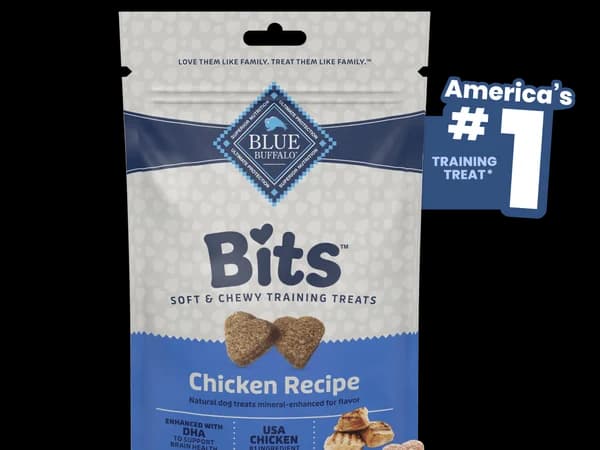

Blue Buffalo BLUE Bits Chicken Review
Blue Buffalo BLUE Bits deliver a solid mid-range training treat — real chicken first, grain-free, and soft enough for quick consumption during training. Past brand recalls ding the safety score, but the current formula is clean. Good value at $12 for a 19oz bag.

Blue Buffalo BLUE Bits Chicken Review
Blue Buffalo BLUE Bits deliver a solid mid-range training treat — real chicken first, grain-free, and soft enough for quick consumption during training. Past brand recalls ding the safety score, but the current formula is clean. Good value at $12 for a 19oz bag.
Blue Buffalo BLUE Bits Chicken Review
Blue Buffalo BLUE Bits deliver a solid mid-range training treat — real chicken first, grain-free, and soft enough for quick consumption during training. Past brand recalls ding the safety score, but the current formula is clean. Good value at $12 for a 19oz bag.

Blue Buffalo BLUE Bits Chicken Pros & Cons
Pros
- Real chicken as the first ingredient with DHA for brain health
- Soft, moist texture that dogs find highly appealing
- No poultry byproducts, corn, wheat, or soy
Cons
- Blue Buffalo has had past recalls affecting brand trust
- Contains flaxseed which some dogs may have sensitivity to
- Softer texture means shorter shelf life once opened
Overview
Blue Buffalo BLUE Bits occupy an interesting space in the training treat market: they deliver a grain-free, real-chicken formula at a price point that undercuts most comparable products. At $12.29 for a 19-ounce bag, you are getting more treat per dollar than nearly any other soft training option with chicken as the first ingredient. The soft, moist texture works well for training sessions, and the inclusion of DHA omega-3 adds a nutritional bonus that most training treats skip entirely.
The elephant in the room is Blue Buffalo's recall history. The brand has faced multiple FDA-related incidents over the years, including issues with elevated levels of naturally occurring hormones in some products and a 2017 class action settlement over ingredient labeling accuracy. The current BLUE Bits formula has not been subject to recall, and Blue Buffalo is now owned by General Mills, which brought stricter quality control infrastructure. But brand trust, once damaged, recovers slowly, and some owners will never feel comfortable with the name regardless of current manufacturing standards. If you can look past the brand's history, the product itself is a genuinely good value for grain-free training work.
Features Deep-Dive
Real Chicken First and What "No Byproducts" Means
Blue Buffalo prominently advertises that BLUE Bits contain real chicken as the first ingredient and no poultry byproducts. In practical terms, "byproducts" refers to organs, feet, and other non-muscle-meat parts of the bird. These parts are actually nutritious, but consumer perception has turned against them, and Blue Buffalo has built much of its brand identity around avoiding them. The chicken in BLUE Bits is deboned chicken, meaning skeletal muscle meat that has been mechanically separated from the bone. This is the same quality of meat you would find in a mid-range human chicken product. The supporting proteins include chicken meal, which is a concentrated rendered form that provides more protein per gram than fresh chicken.
Grain-Free Formula and the DHA Addition
The grain-free formulation uses potatoes and pea starch instead of wheat, corn, or soy as carbohydrate sources. This matters for dogs with documented grain sensitivities, though it is worth noting that the FDA has investigated a potential link between grain-free diets and dilated cardiomyopathy (DCM) in dogs. That research remains inconclusive, but it is something to discuss with your vet if your dog eats a grain-free primary diet and you are adding grain-free treats on top. The DHA omega-3 comes from fish oil and supports cognitive function and eye health. It is a modest amount in a treat, but over weeks of regular use during training, it contributes to your dog's overall omega-3 intake in a way that most competing treats do not.
Texture and Training Practicality
BLUE Bits have a soft, moist consistency that falls between a jerky treat and a chewy training morsel. They are pliable enough that you can tear them in half for smaller dogs or for sessions where you want to extend your supply. Dogs tend to find the moisture content highly appealing, which keeps motivation high during repetitive training sequences. The flip side of that moisture is a shorter shelf life once the bag is opened. You have roughly two to three weeks before they start to dry out and lose their appeal, and in warm environments, they can become sticky and clump together. Keeping the bag tightly sealed or transferring treats to an airtight container extends usability.
Pricing Analysis
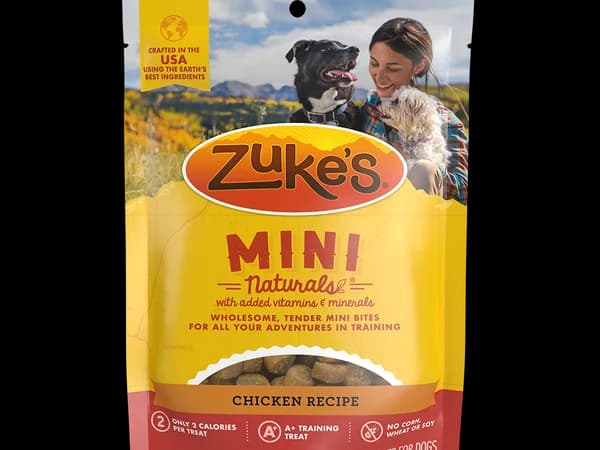
At $12.29 for 19 ounces, BLUE Bits come in at approximately $0.65 per ounce, which is the lowest per-ounce cost among the grain-free training treats in this comparison. Zuke's Mini Naturals, the closest competitor in form and function, runs about $0.99 per ounce. That price gap is significant for owners who go through treats quickly during intensive training periods. The 19-ounce bag size is also more practical than the smaller pouches that many premium brands offer, reducing the frequency of repurchases. For a dog in an active training program using treats daily, a bag of BLUE Bits lasts two to three weeks, putting the monthly cost around $18 to $25. That is solidly in the impulse-purchase range for most pet owners, and the grain-free, real-chicken spec sheet makes the value proposition strong on paper.
Who Is This For?
-
Budget-conscious trainers who want grain-free and refuse to compromise on real chicken as the primary protein. BLUE Bits deliver the best price-to-quality ratio in the grain-free training treat segment.
-
Owners of dogs with grain sensitivities who need a wheat-free, corn-free, soy-free training treat that is still soft enough for rapid consumption during sessions.
-
Puppy owners interested in DHA supplementation who want a training treat that contributes omega-3 fatty acids beyond what most competitors offer, supporting brain and eye development during the critical first year.
-
High-volume trainers running through treats quickly who need a larger bag size at a lower per-ounce cost without sacrificing ingredient quality.
Who Should NOT Use This
-
Owners who prioritize brand safety records above all else will struggle with Blue Buffalo's recall history, even though the current formula is clean. If brand trust is a primary purchasing criterion, Zuke's or Wellness have stronger track records and may give you more peace of mind.
-
Dogs with flaxseed sensitivity should avoid BLUE Bits. Flaxseed is included as an omega-3 source alongside fish oil, and while flaxseed allergies are uncommon in dogs, they do occur. Symptoms typically present as skin irritation or gastrointestinal upset.
-
Owners in hot climates without climate-controlled storage may find the soft, moist texture problematic. These treats degrade faster than oven-baked biscuits in heat and humidity, and clumping can make them difficult to dispense cleanly from a treat pouch.
Bottom Line
BLUE Bits deliver the best value in the grain-free training treat category, with real chicken, DHA supplementation, and a price point that is hard to beat. The brand's recall history is a legitimate concern that each owner has to weigh individually, but the current product is well-formulated and effective.
FAQ
Has the current BLUE Bits formula been recalled?
No. The specific BLUE Bits Chicken training treat has not been subject to recall. Blue Buffalo's recall incidents have involved other product lines, primarily wet foods and some dry food formulas. Since General Mills acquired Blue Buffalo in 2018, the company has invested in upgraded manufacturing and quality assurance processes. That said, no brand is immune to future recalls, and owners who are uncomfortable with the history are making a reasonable choice by going elsewhere.
How do BLUE Bits compare to Zuke's Mini Naturals for training?
Both are excellent soft training treats, but they serve slightly different priorities. Zuke's are smaller (3 calories each vs. roughly 5-6 for BLUE Bits) and better for high-repetition training with calorie-sensitive dogs. BLUE Bits offer a larger bag at a lower per-ounce price and include DHA, making them a better value for owners less concerned about per-treat calorie counts. If your dog is under 15 pounds or on a strict diet, Zuke's edge ahead. For medium to large dogs in active training, BLUE Bits provide more treat for less money.
Are grain-free treats safe given the FDA DCM investigation?
The FDA's investigation into a potential link between grain-free diets and dilated cardiomyopathy remains inconclusive. The concern centers on grain-free primary diets, not occasional treats. Using grain-free treats during training while feeding a grain-inclusive primary diet is unlikely to pose any meaningful risk. If your dog eats a grain-free diet as their main food and you add grain-free treats on top, discuss the overall dietary picture with your veterinarian.
Do BLUE Bits work for puppies?
Yes, the soft texture and small size are appropriate for puppies eating solid food. The DHA content is actually a bonus for developing puppies, supporting brain and eye health. Start with half-treats for very young puppies to prevent any digestive adjustment issues, and monitor stool quality during the first few days of introduction as you would with any new food item.
Who Is Blue Buffalo BLUE Bits Chicken Best For?
Training sessions where you need a soft, flavorful treat without grains
The Bottom Line
Blue Buffalo BLUE Bits deliver a solid mid-range training treat — real chicken first, grain-free, and soft enough for quick consumption during training. Past brand recalls ding the safety score, but the current formula is clean. Good value at $12 for a 19oz bag.
Try Blue Buffalo BLUE Bits Chicken TodayKey Specs
Scoring Breakdown
Named protein sources, whole ingredients, absence of fillers (corn/wheat/soy), artificial colors/flavors/preservatives. Penalizes byproducts, unnamed meats, BHA/BHT/ethoxyquin.
Calorie density appropriate for treat use, nutritional value per calorie, protein-to-filler ratio. Training treats evaluated on low-cal suitability (<5 kcal/treat ideal).
Named vs unnamed protein sources, sourcing clarity (country of origin, farm certifications), traceability, absence of vague terms like "animal digest" or "meat meal."
Brand recall history over 5+ years, manufacturing standards, third-party contamination testing, FDA compliance track record.
Dog taste acceptance rate across breeds and sizes, texture quality, aroma appeal, ease of use for training or dental purposes.
Cost per treat, cost per calorie, quality-adjusted value. Best quality per dollar spent, not cheapest overall.