
Dyson Purifier Cool TP07 Review
Dyson Purifier Cool offers premium design and dual functionality, though its high price and lower CADR ratings mean you're paying partly for aesthetics over pure purification power.

Dyson Purifier Cool TP07 Review
Dyson Purifier Cool offers premium design and dual functionality, though its high price and lower CADR ratings mean you're paying partly for aesthetics over pure purification power.
Dyson Purifier Cool TP07 Review
Dyson Purifier Cool offers premium design and dual functionality, though its high price and lower CADR ratings mean you're paying partly for aesthetics over pure purification power.

Dyson Purifier Cool TP07 Pros & Cons
Pros
- Bladeless fan doubles as air purifier and cooling fan
- Fully sealed HEPA H13 filtration system
- Real-time air quality display and app monitoring
- Sleek, award-winning design
- Oscillates up to 350 degrees
Cons
- Premium price point
- Replacement filters are expensive ($70+)
- CADR lower than dedicated purifiers at same price
Overview
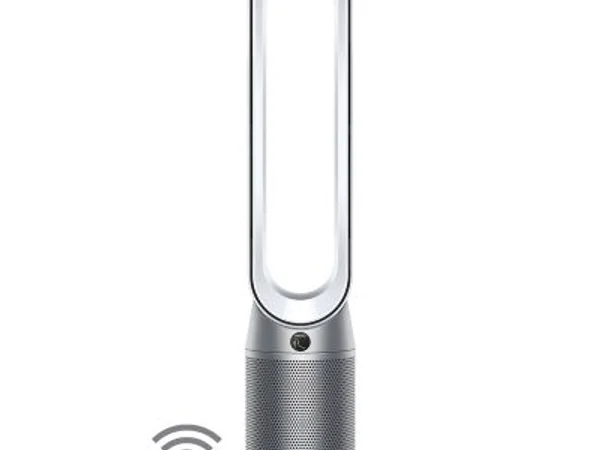
Dyson positions the Purifier Cool as premium home appliance, not just an air purifier but a statement piece that combines filtration with bladeless cooling. The distinctive design turns a utilitarian appliance into conversation-starting furniture. For design-conscious buyers, this aesthetic value is part of the appeal.
The sealed HEPA H13 filtration system is genuinely well-engineered. Unlike purifiers where air can bypass filters through gaps, Dyson's sealed design forces all air through filtration. The engineering attention shows in build quality and fit.
The combination of purifier and fan functionality creates real utility. One device serves two purposes, potentially saving space and simplifying rooms. Whether the premium justifies the combination depends on how much you value the fan capability and Dyson's design.
Features Deep-Dive
Bladeless Fan Technology
Dyson's bladeless design provides smooth, even airflow without the choppy pattern of traditional fans. The 350-degree oscillation distributes air throughout rooms. For cooling, the experience feels more natural than conventional fans.
The purification and cooling combination means the device serves dual purposes. In summer, it's a fan. Year-round, it's a purifier. The integration has practical value.
Sealed HEPA H13 Filtration
The sealed filtration system ensures all air passes through HEPA H13 filters, capturing 99.97% of particles down to 0.3 microns. Unlike open-filter designs where air can bypass filters, Dyson's sealing addresses a real concern about purifier effectiveness.
The activated carbon layer handles odors, VOCs, and gases that particle filters miss.
Real-Time Air Quality
The LCD display shows current air quality with detailed breakdowns, particulate matter, NO2, VOCs. The Dyson app provides historical data and scheduling. The feedback loop helps users understand air quality patterns and purifier impact.
Pricing Analysis
Dyson Purifier Cool pricing runs $550-700 depending on model. Replacement filters cost $70+ and need changing annually with typical use. Total ownership cost exceeds most dedicated purifiers.
The price comparison should include the fan value. If you'd buy a quality fan anyway, Dyson's combination pricing becomes more reasonable.
Who Is This For?
Dyson Purifier Cool works best for:
- Design-conscious buyers who want appliances that look good
- Space-constrained homes where one device serving two purposes helps
- Tech enthusiasts who appreciate connected features and air quality data
- Dyson fans who trust and prefer the brand
- Buyers wanting fan and purifier combined in one investment
The product excels when design and multi-function value matter.
Who Should NOT Use This
Dyson Purifier Cool might not be the right choice if:
- Maximum CADR per dollar matters: Dedicated purifiers deliver more filtration for less
- Value is primary concern: Better pure performance exists at lower prices
- You don't need a fan: You're paying for capability you won't use
- Large rooms need cleaning: CADR is modest for the price
- Ongoing filter costs concern you: Dyson filters are expensive
Bottom Line
Dyson Purifier Cool combines genuine engineering quality with premium design in a multi-function device. The sealed HEPA system works well, the fan capability adds real value, and the aesthetics exceed typical air purifiers.
The premium is significant. Buyers prioritizing pure air cleaning performance per dollar should look elsewhere. Buyers who value design, appreciate Dyson's engineering, and want fan plus purifier combined may find the premium justified.
FAQ
Is Dyson good at air purification?
Yes, the sealed HEPA H13 system provides genuine filtration. However, the CADR (Clean Air Delivery Rate) is lower than dedicated purifiers at similar prices. You're paying partly for the fan capability and design.
Is the bladeless fan actually effective?
Yes, bladeless technology provides smooth airflow and 350-degree oscillation. It's effective for room cooling, though not as powerful as high-velocity traditional fans.
Are Dyson filters expensive?
Yes, replacement filters cost $70+, among the highest in the category. Annual replacement is typical with regular use. Budget for ongoing costs.
How does Dyson compare to Coway?
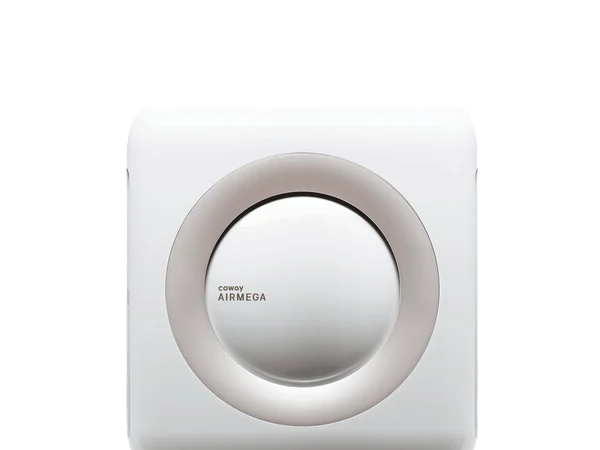
Coway Airmega offers better CADR per dollar and similar noise levels. Dyson offers superior design and fan functionality. Choose Coway for value; choose Dyson for aesthetics and multi-function.
Is Dyson worth the premium?
For buyers who value design and want fan plus purifier combined, often yes. For buyers prioritizing pure air cleaning efficiency, dedicated purifiers offer better value.
Who Is Dyson Purifier Cool TP07 Best For?
Design-conscious buyers who want air purification and cooling in one device
The Bottom Line
Dyson Purifier Cool offers premium design and dual functionality, though its high price and lower CADR ratings mean you're paying partly for aesthetics over pure purification power.
Buy on AmazonKey Specs
Scoring Breakdown
CADR ratings, filtration efficiency, coverage area, air quality improvement speed, and effectiveness against various pollutants.
Construction materials, filter quality, durability, design aesthetics, and overall build craftsmanship.
Smart connectivity, air quality sensors, auto modes, timer functions, sleep modes, and additional capabilities.
Purchase price, filter replacement costs, energy efficiency, and overall long-term value and operating costs.
Operating noise at various speeds, sleep mode quietness, and suitability for bedrooms and quiet spaces.